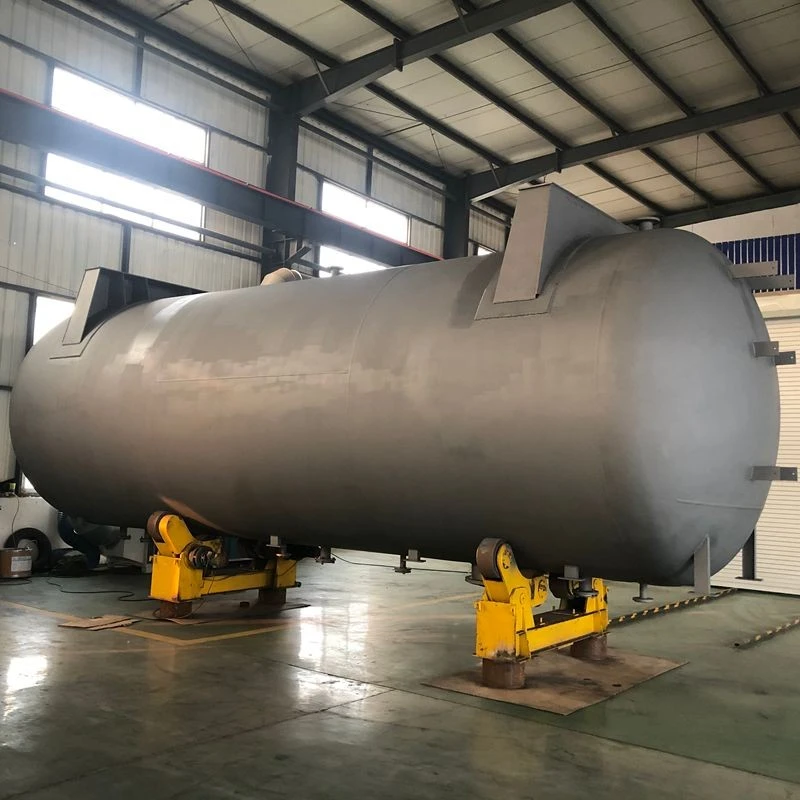
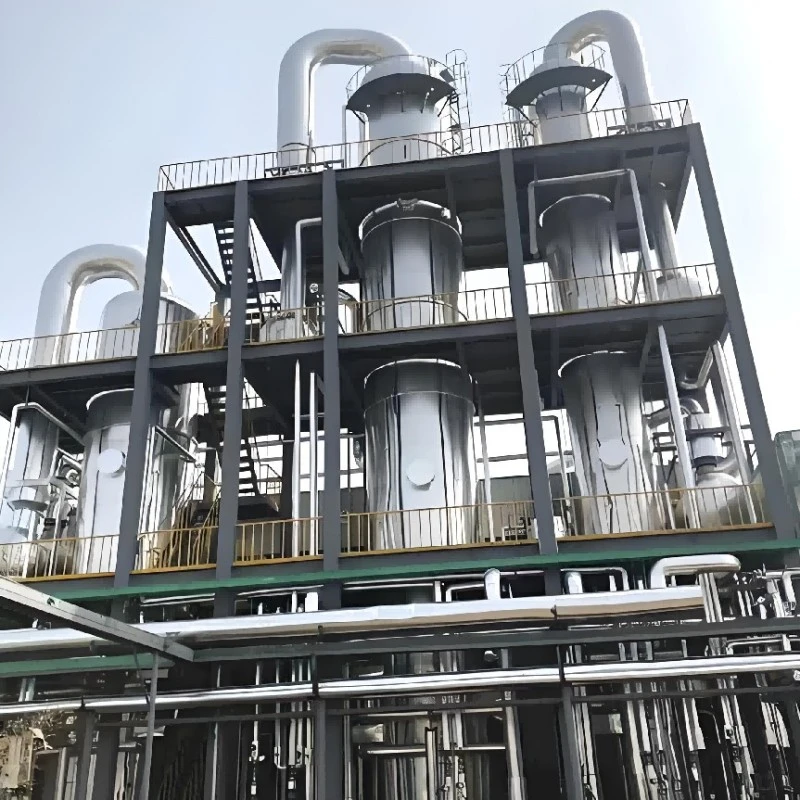
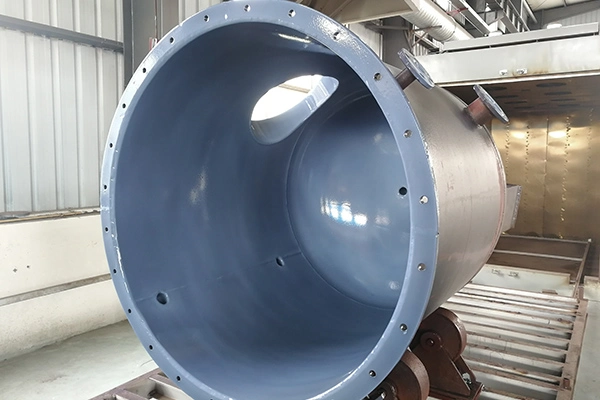
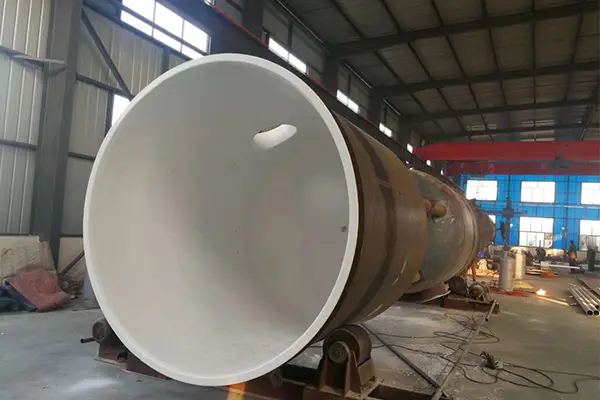
Our product range includes PTFE sheet-lined equipment, PTFE spraying and roller coating, plastic-lined equipment, PTFE-lined steel pipes and fittings, and related fluoropolymer components made from PTFE, PFA, ETFE, FEP and other advanced materials.
PTFE lined fittings are used to connect pipeline sections, change flow direction, divide flow paths and adapt pipe diameters in systems handling corrosive media. The PTFE lining provides a corrosion-resistant contact surface between compatible process fluids and the metal substrate. Zhuoyan supplies lined components for chemical, pharmaceutical and other industrial applications where pipeline corrosion protection is required.
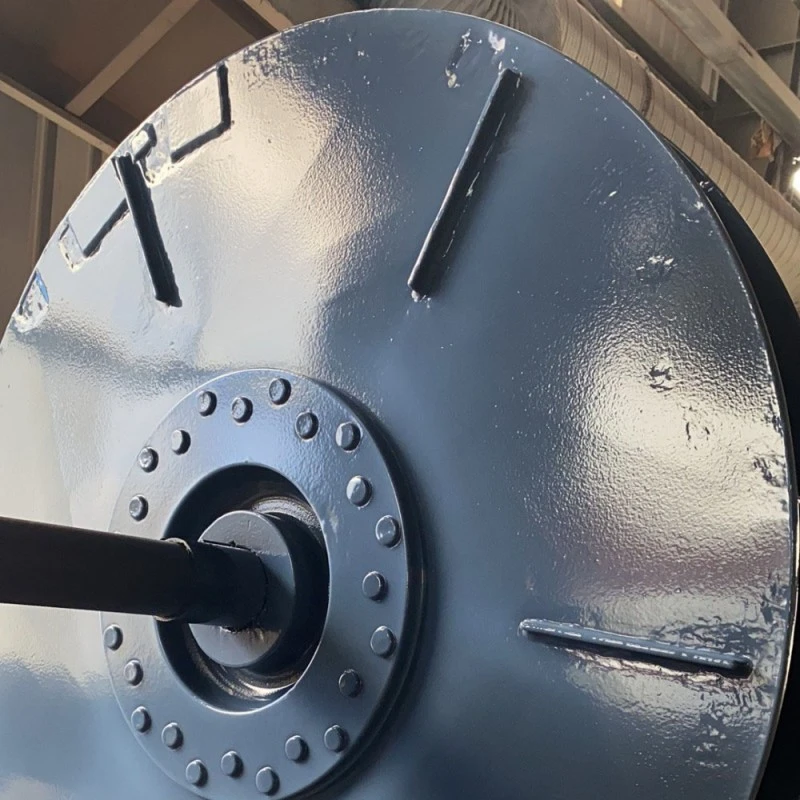
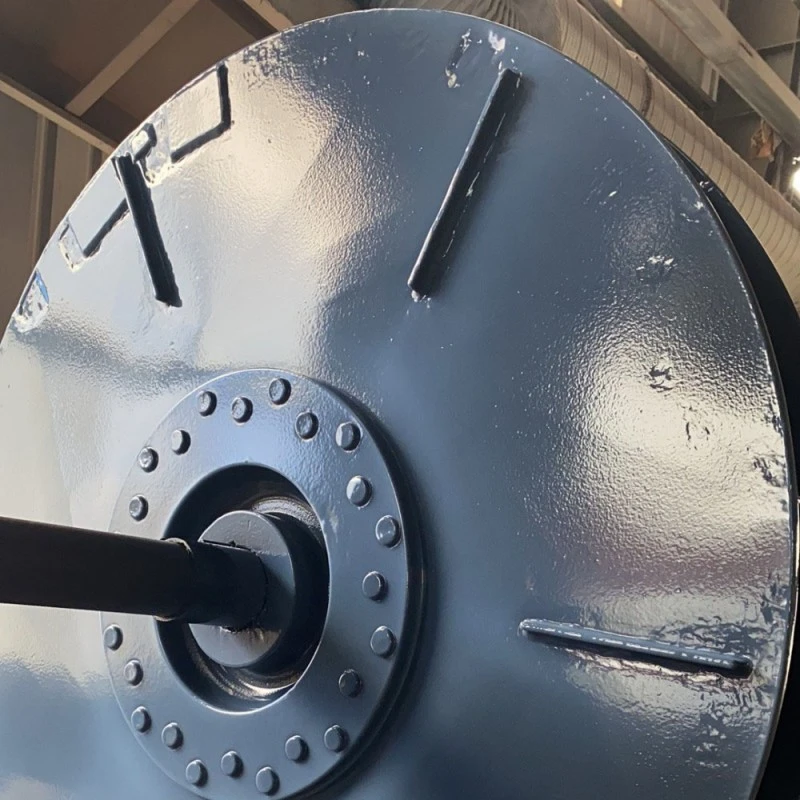
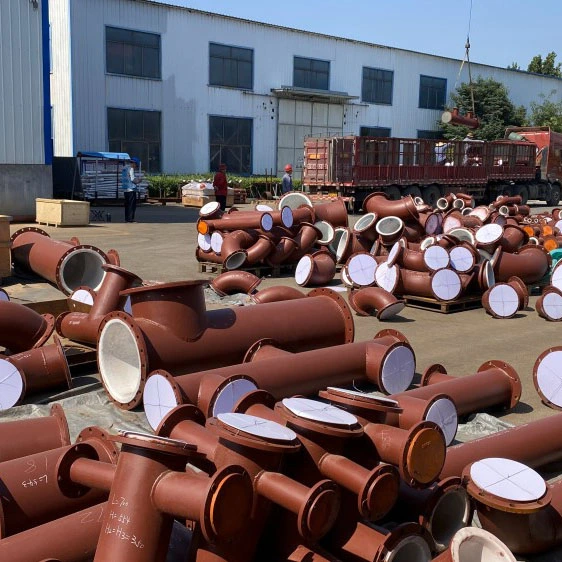
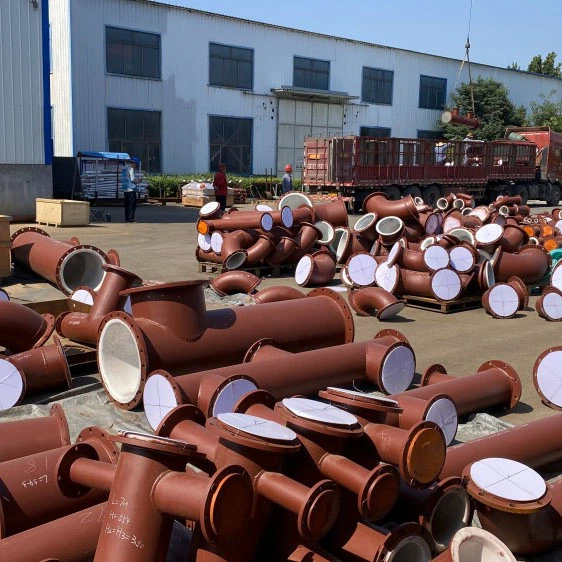
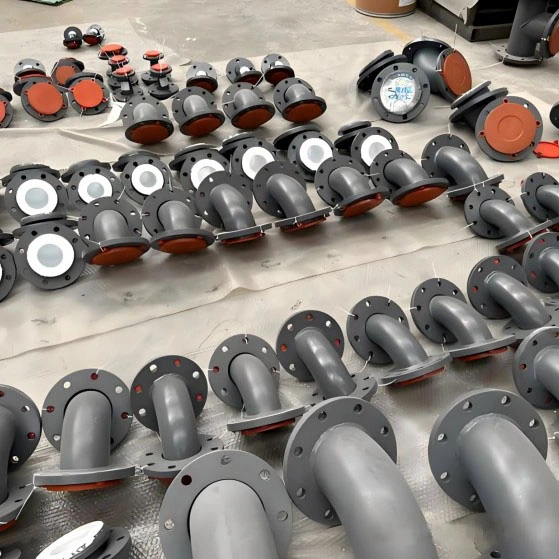
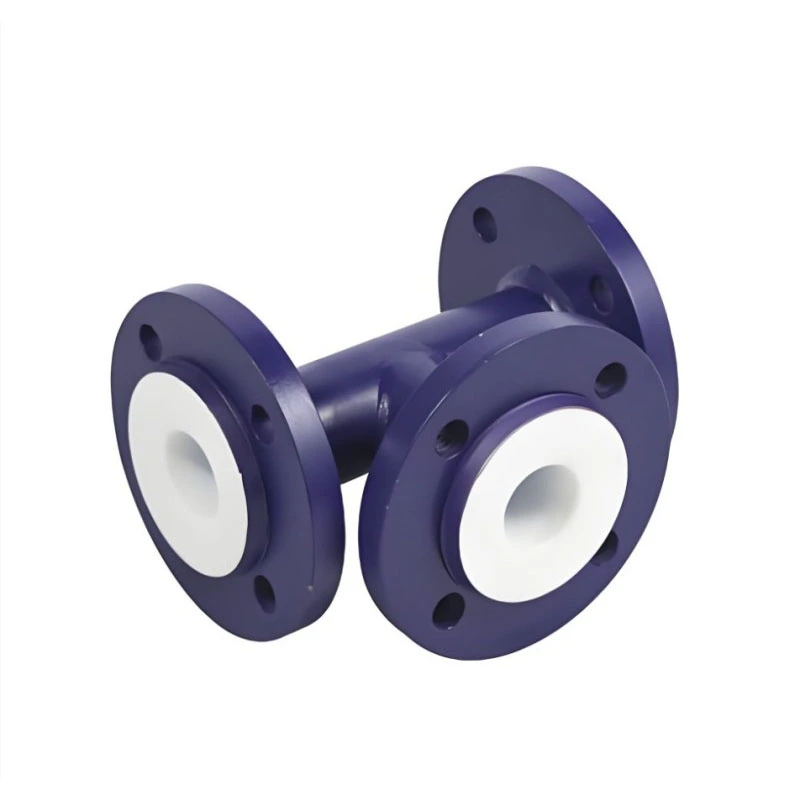
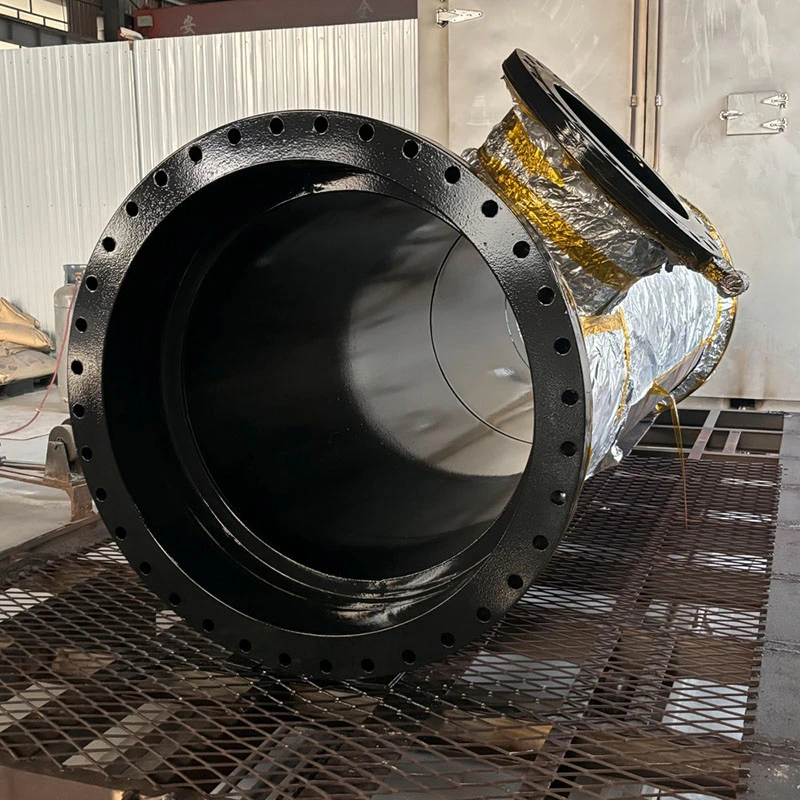
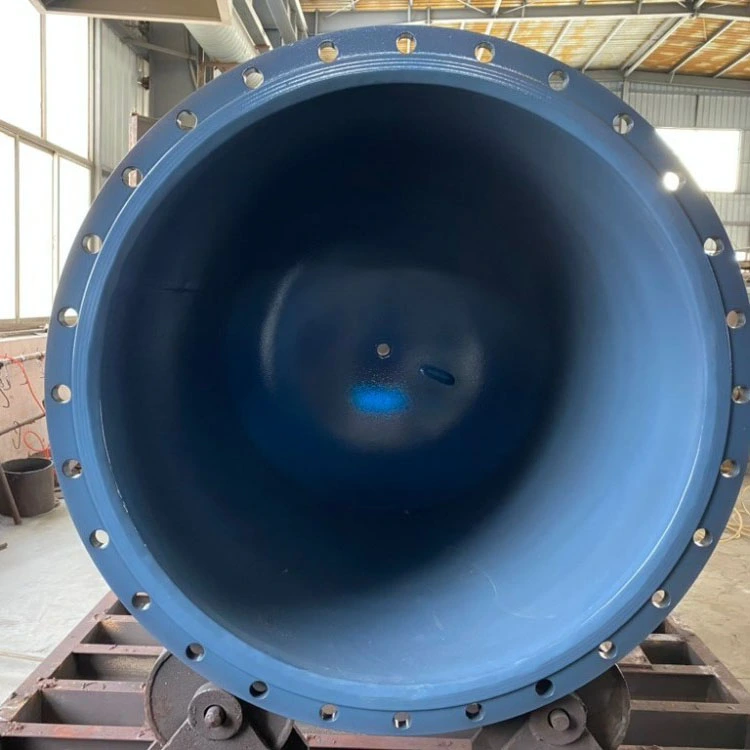
The PTFE Lined Fittings range includes PTFE lined pipes, elbows, tees, reducers and valves, along with related lined components such as agitators and impellers. These components can be selected according to their function within the pipeline or process equipment system.
PTFE Lined Pipes: Used to convey compatible corrosive liquids between equipment and process sections.
PTFE Lined Elbows: Allow the pipeline to change direction according to the required layout.
PTFE Lined Tees: Provide branch connections for dividing or combining flow paths.
PTFE Lined Reducers: Connect pipe sections with different nominal diameters. The reducer configuration should suit the required flow arrangement and installation space.
Lined Valves and Related Components: Valves, agitators and impellers serve different flow-control or process functions. Their lining structure and dimensions should be matched to the associated equipment and operating conditions.
Process Medium: Confirm the chemical composition, concentration and other relevant properties of the medium. PTFE provides resistance to many corrosive substances, but compatibility must be checked for the actual operating conditions.
Pipe Size and Connection Standard: Verify the nominal diameter, flange standard, flange dimensions and connection arrangement to ensure compatibility with the existing pipeline or equipment.
Pressure and Temperature: Confirm the required operating pressure, temperature and any vacuum conditions. The permissible limits depend on the component design, lining structure and specified operating conditions.
Installation Layout: Check the required elbow angle, branch arrangement, reducer type and available installation space. Correct dimensions and connection positions help avoid fit-up problems during installation.
Before Installation: Inspect the lining and flange faces for visible damage. Check that the component dimensions and connection standards match the pipeline drawings or equipment specifications.
During Installation: Align the flanges correctly and tighten the connections according to the specified installation procedure. Avoid forcing misaligned components into position, and do not use sharp tools that could scratch or damage the PTFE lining.
Before Operation: Confirm that the assembled system meets the specified pressure and temperature limits. Any pressure or leak testing should follow the applicable procedure and account for the ratings of the lined components and connected equipment.
Routine Maintenance: Inspect accessible lining surfaces, flange connections and exposed areas for visible damage, deformation or signs of leakage. Use cleaning methods compatible with the lining and avoid abrasive tools or handling practices that could compromise its condition.
After Suspected Damage: If leakage, abnormal deformation or lining damage is found, assess the component before returning it to service. Damaged lining should not be treated as acceptable simply because the outer metal body remains intact.
According to the supplied PTFE Lined Fittings information, spark testing and hydraulic pressure testing are performed before shipment. The applicable test methods, pressure levels and acceptance criteria should be confirmed for the selected component.
Fine Chemical Processing: Pipeline systems transporting compatible corrosive liquids between processing units.
Pharmaceutical Manufacturing: Transfer lines for raw materials, intermediates and other process liquids where corrosion protection is required.
Chemical Plants: Connections and flow-routing components used in the handling of acids, alkalis and other compatible chemical media.
New Materials and Pesticide Production: Lined pipeline components for process layouts involving corrosive chemical materials.
The supplied product information identifies PN10, PN16 and other pressure grades as potential configurations. Availability and permissible operating pressure must be confirmed for the specific component, size, temperature and design.
They can be selected for use with compatible lined equipment. Before ordering, confirm the flange standard, nominal size, connection dimensions and operating conditions rather than assuming that all components will fit together directly.
The supplied product information lists a range of -20°C to 200°C. This should be verified for the selected component, lining structure, pressure and chemical medium before use.