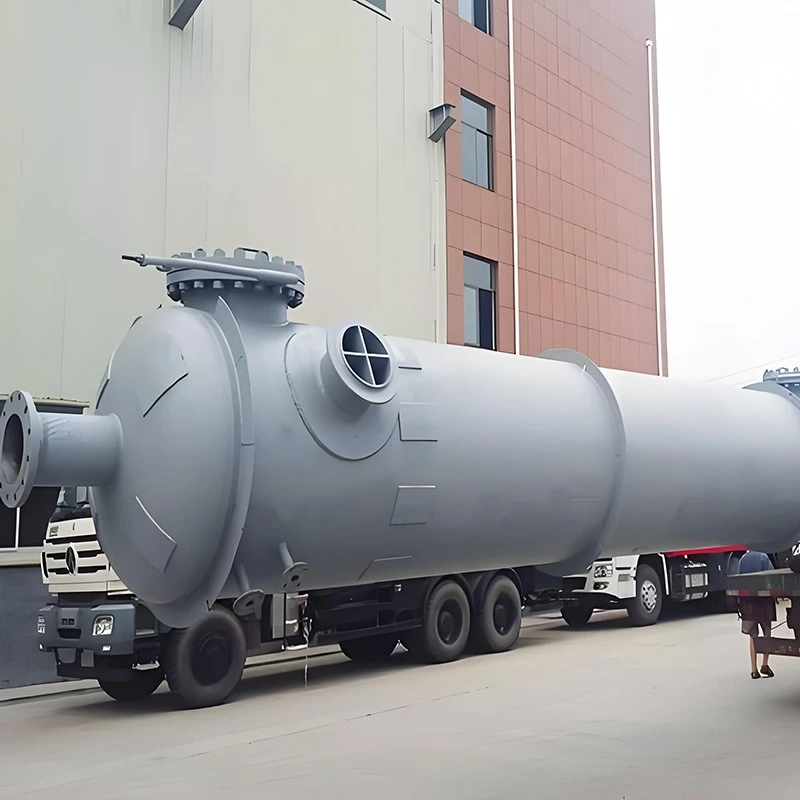
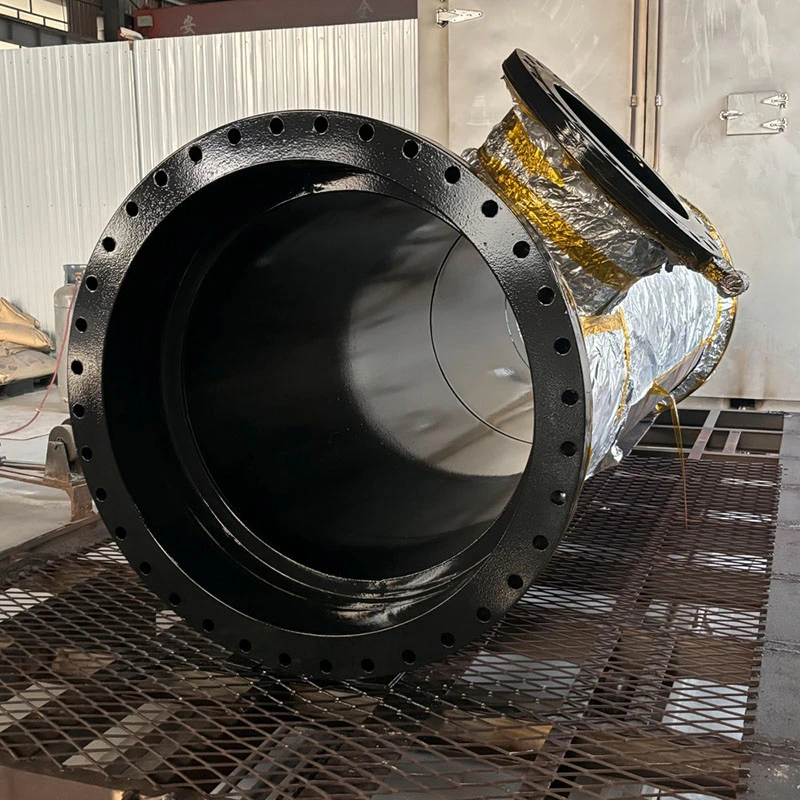
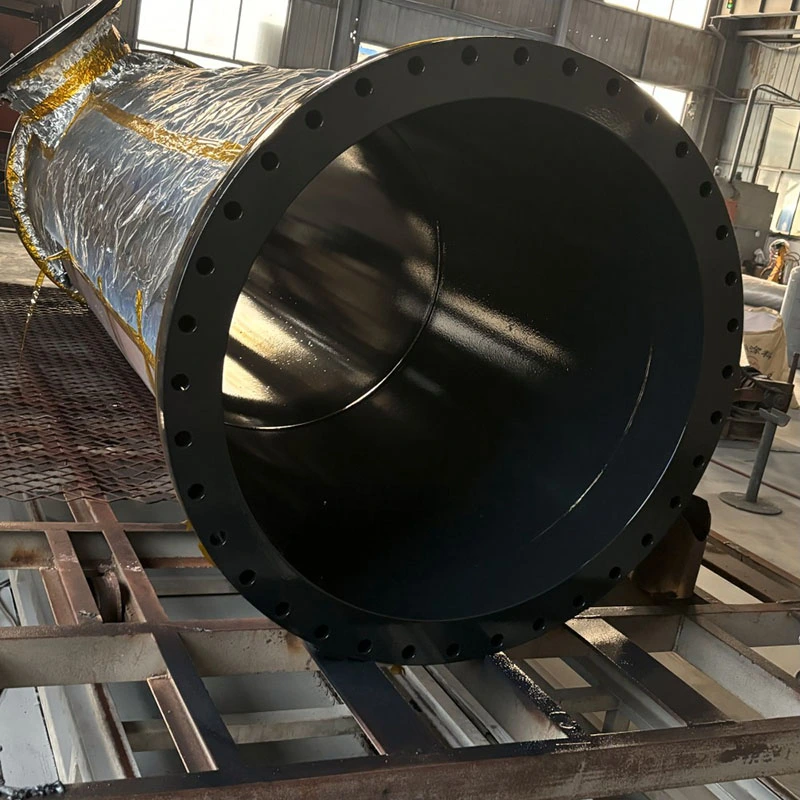
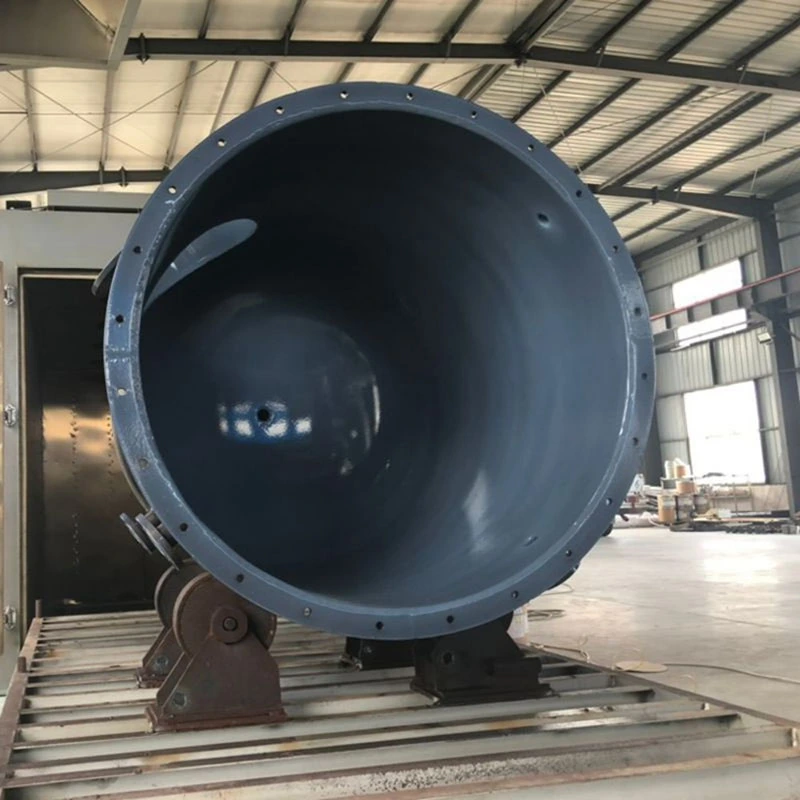
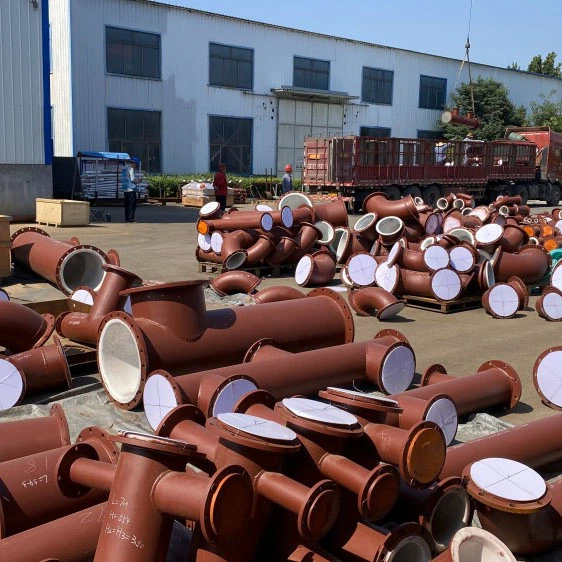
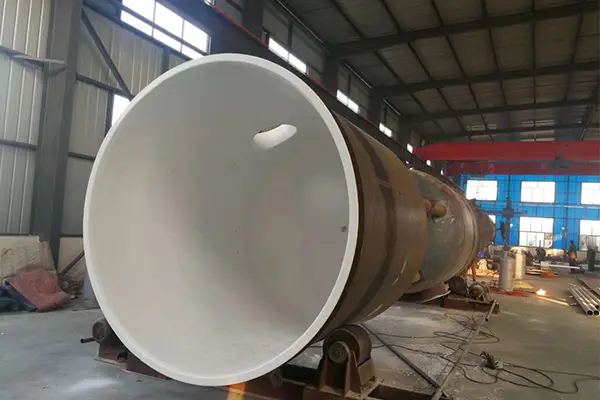
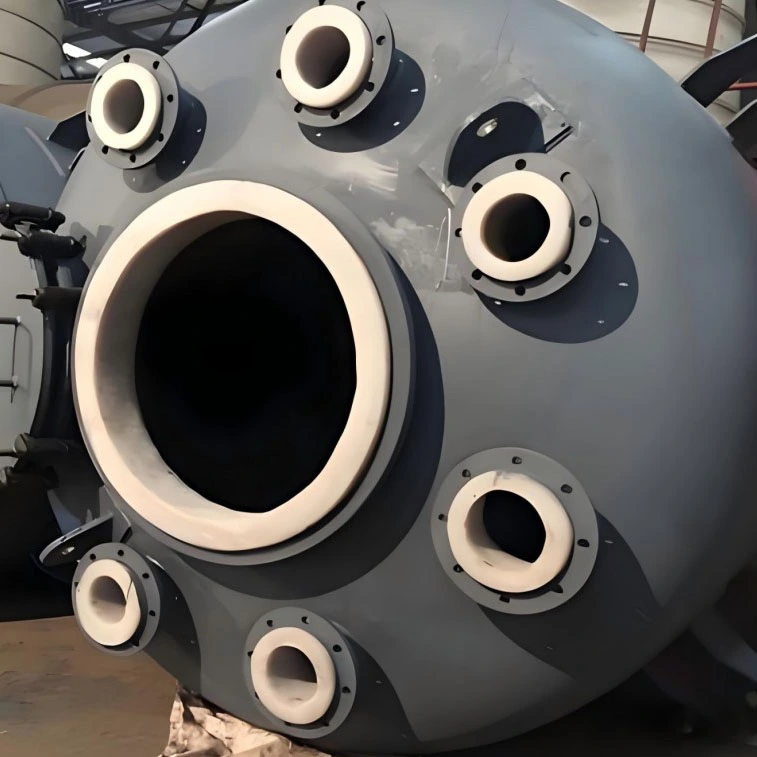
Our product range includes PTFE sheet-lined equipment, PTFE spraying and roller coating, plastic-lined equipment, PTFE-lined steel pipes and fittings, and related fluoropolymer components made from PTFE, PFA, ETFE, FEP and other advanced materials.
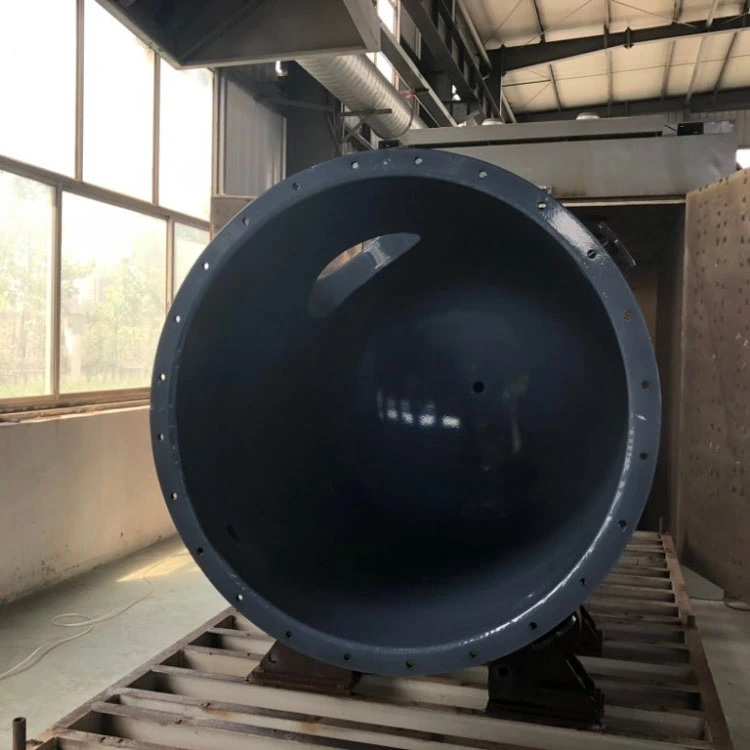
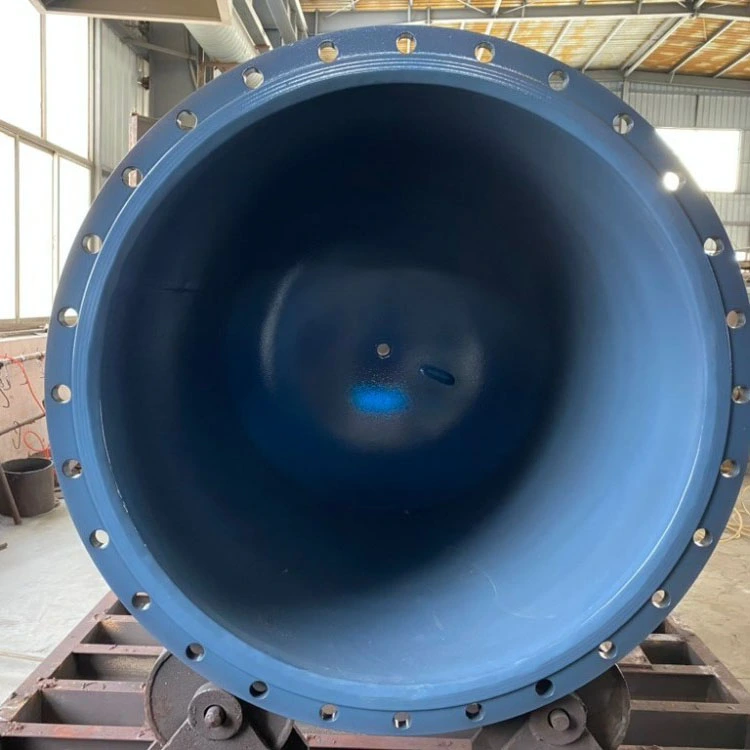
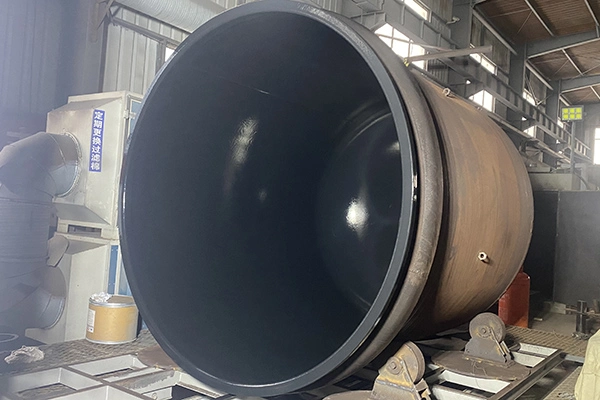
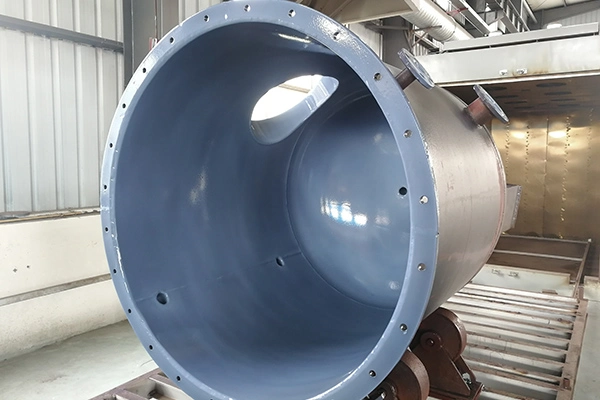
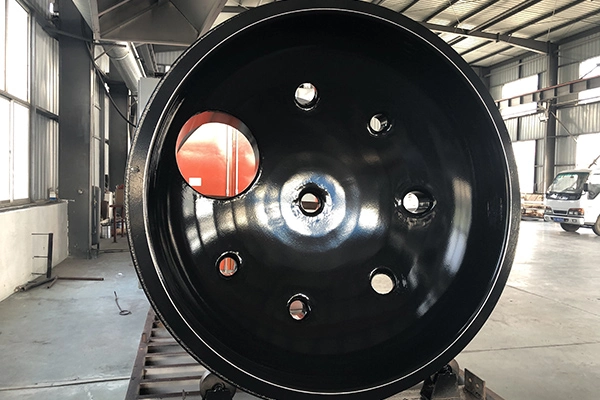
PFA Coated Equipments use a PFA coating applied to the inner metal surface to provide corrosion protection for compatible chemical process media. Compared with PTFE sheet-lined equipment, spray coating can be considered for certain complex internal structures where surface coverage and coating uniformity are important. These systems are used in fine chemical, pharmaceutical, new energy and laboratory applications that require corrosion-resistant equipment or control of contact between process media and metal surfaces.
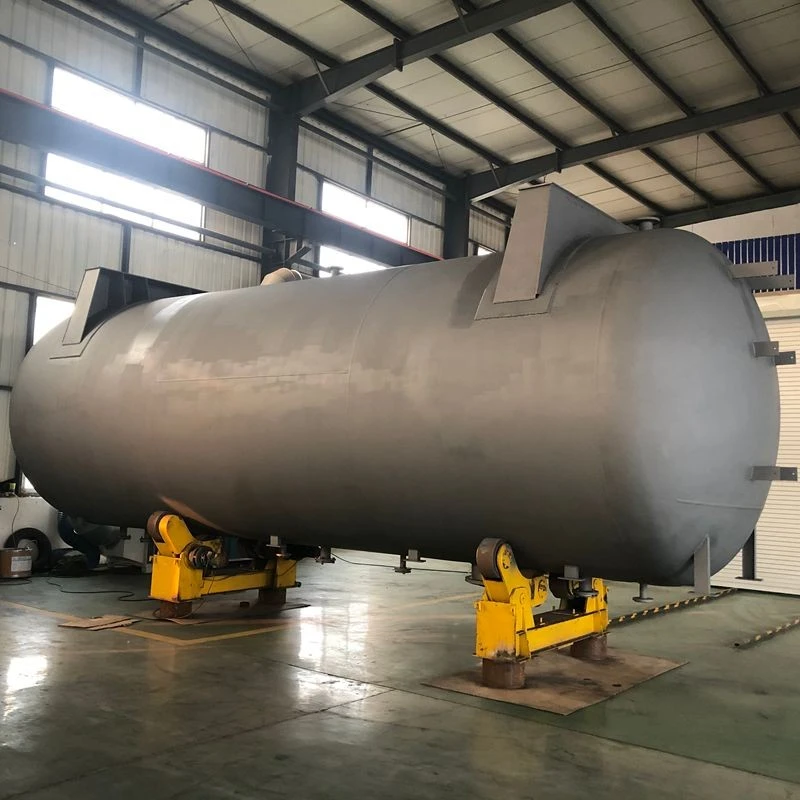
Zhuoyan supplies PFA coated equipment in several configurations, including PFA coated storage tanks, receivers, mixing tanks and columns. Equipment dimensions, connection positions and internal configurations can be customized according to the intended application and specified operating conditions.
PFA Coated Storage Tanks: Used for storing compatible chemical materials where the internal surface requires corrosion protection.
PFA Coated Receivers: Used to collect process liquids or intermediates within chemical production and separation systems.
PFA Coated Mixing Tanks: Designed for mixing and agitating compatible process materials, with the tank configuration and stirring system selected according to the intended operation.
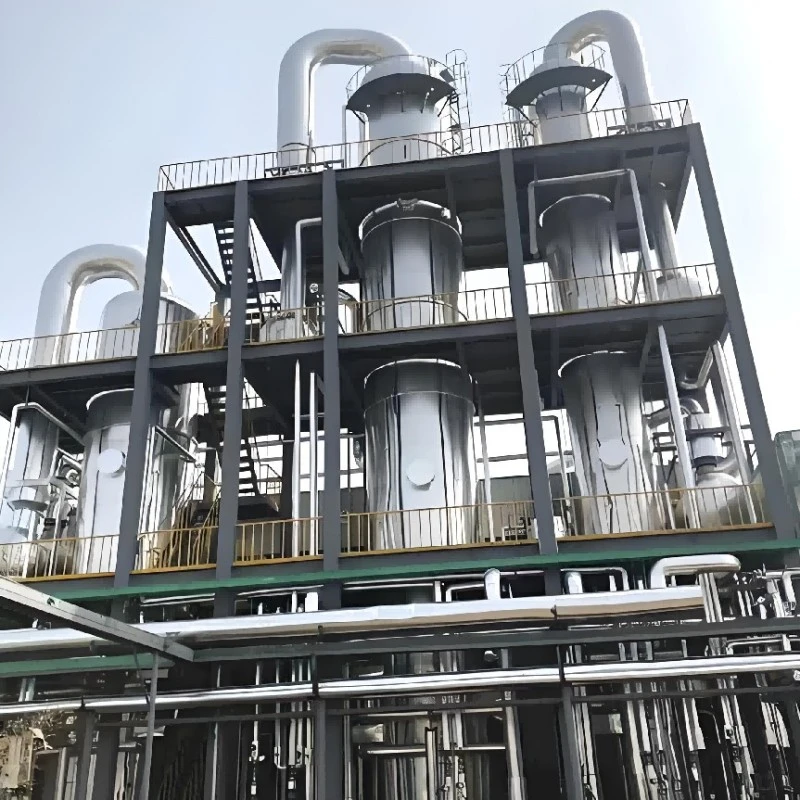
PFA Coated Columns: Used in separation processes such as distillation and rectification, subject to the requirements of the specific process and equipment design.
Depending on the equipment type, customization may include vessel volume, nozzle positions, internal structure and related components. The final configuration should be determined by the application, process medium and operating requirements.
Smooth Coated Surface: A smooth PFA coating can facilitate cleaning and help reduce material retention on the internal surface. Actual cleanability depends on the equipment design, process residue and cleaning method.
Corrosion Protection: PFA offers resistance to a range of corrosive chemicals. Compatibility should be checked against the specific chemical composition, concentration, operating temperature and other relevant conditions rather than assumed for every acid, alkali or oxidizing medium.
High-Purity Processing: The coating separates compatible process media from the underlying metal surface, helping reduce direct contact with the substrate. Suitability for high-purity applications depends on coating integrity, process conditions and the required contamination-control criteria.
Coating Inspection: The supplied product information specifies pinhole detection, coating thickness inspection and pressure testing before delivery. These checks address coating condition and equipment integrity; the applicable inspection methods and acceptance criteria should be confirmed for the specific equipment.
Operating Conditions: The provided specifications list a temperature range of -20°C to 260°C. The applicable operating limit must be confirmed for the individual equipment, coating, process medium and pressure conditions before use.
Cleaning and Maintenance: Select cleaning agents and methods compatible with the PFA coating. Avoid tools or procedures that may scratch or damage the coated surface. During routine maintenance, pay attention to visible coating damage or changes that may indicate a loss of coating integrity.
Pharmaceutical Processing: Reaction, storage and transfer operations involving compatible chemical materials and intermediates.
Fine Chemical Production: Corrosive material handling, mixing, distillation and purification processes.
New Energy and Electronic Chemicals: Applications involving chemical materials where corrosion protection and control of metal contact are required.
Laboratory and Pilot Plants: Small-scale reaction, mixing and separation processes requiring coated equipment. The suitability of each configuration depends on the specific process requirements.
1. What is the difference between PFA coated equipment and PTFE lined equipment?
PFA coated equipments use a coating applied to the internal surface, while PTFE sheet-lined equipment uses a separate PTFE lining. Spray coating can be considered for certain complex internal geometries. The appropriate option depends on vessel design, operating conditions, material compatibility and coating or lining requirements.
2. What temperature range is available for PFA coated equipment?
The provided product information lists an operating temperature range of -20°C to 260°C. This range should be confirmed against the specifications of the selected equipment and the actual process conditions before use.
3. Can PFA coated equipment be customized?
Yes. The equipment configuration can be discussed according to the required dimensions, vessel volume, nozzle positions, internal structure and operating conditions. The available customization depends on the selected equipment type and design.