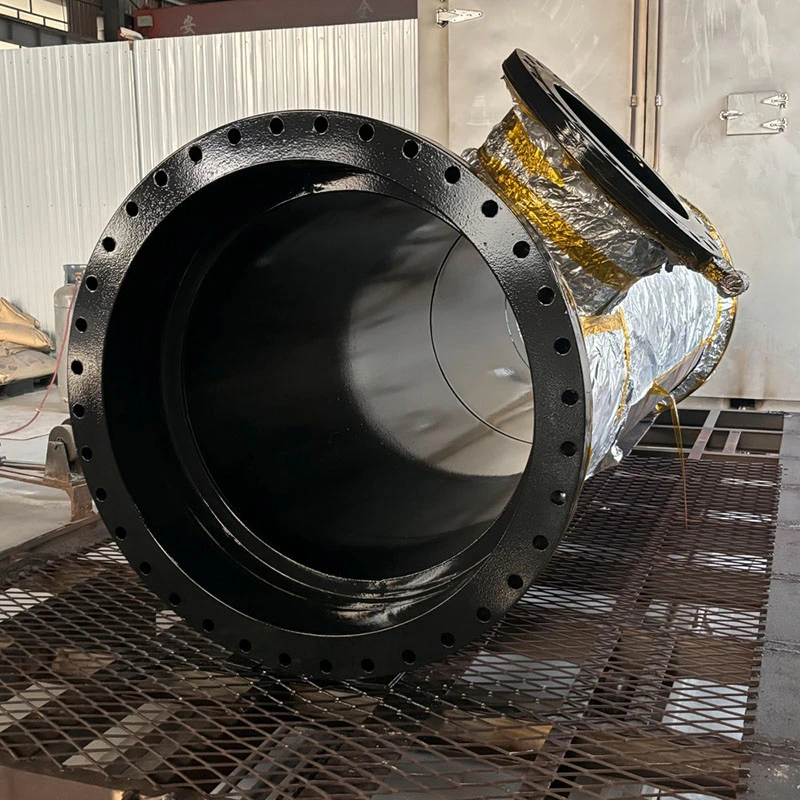
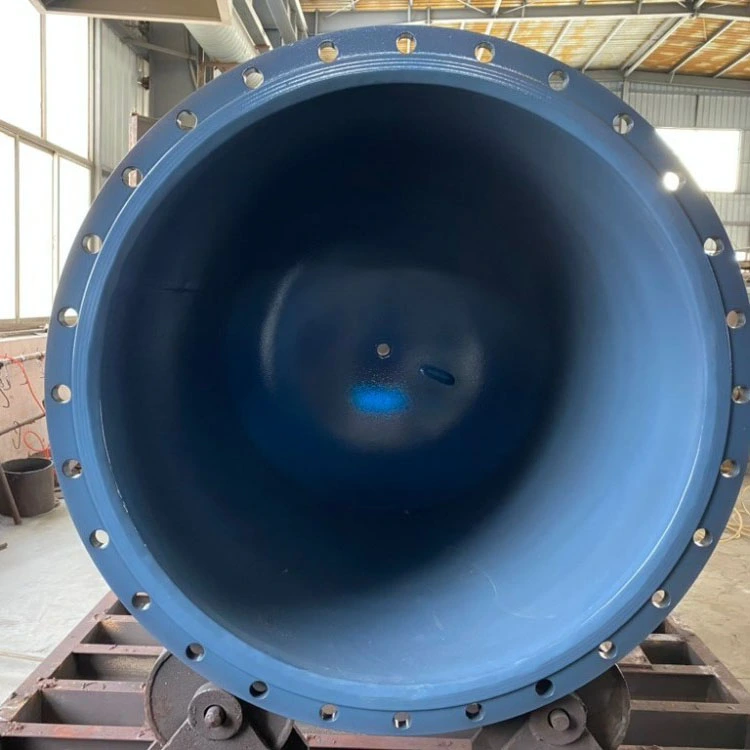
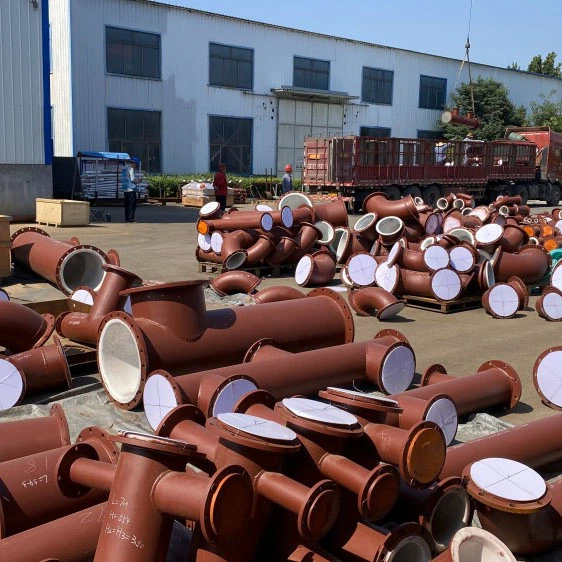
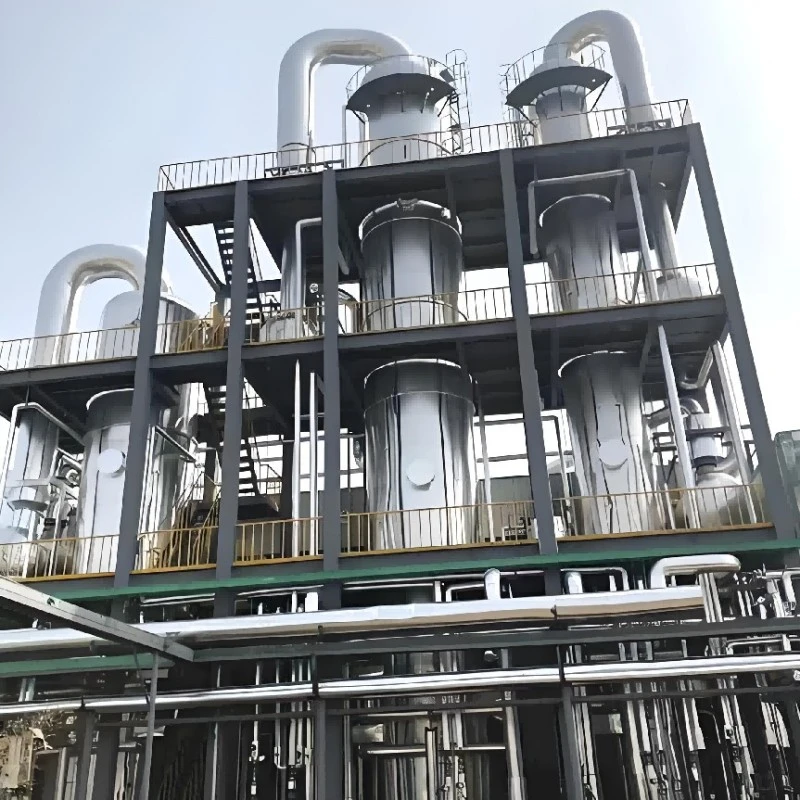
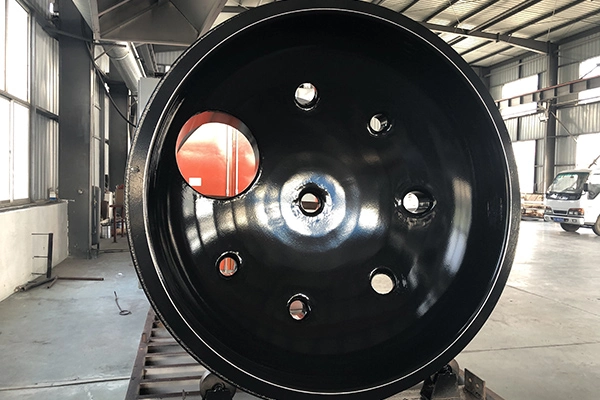
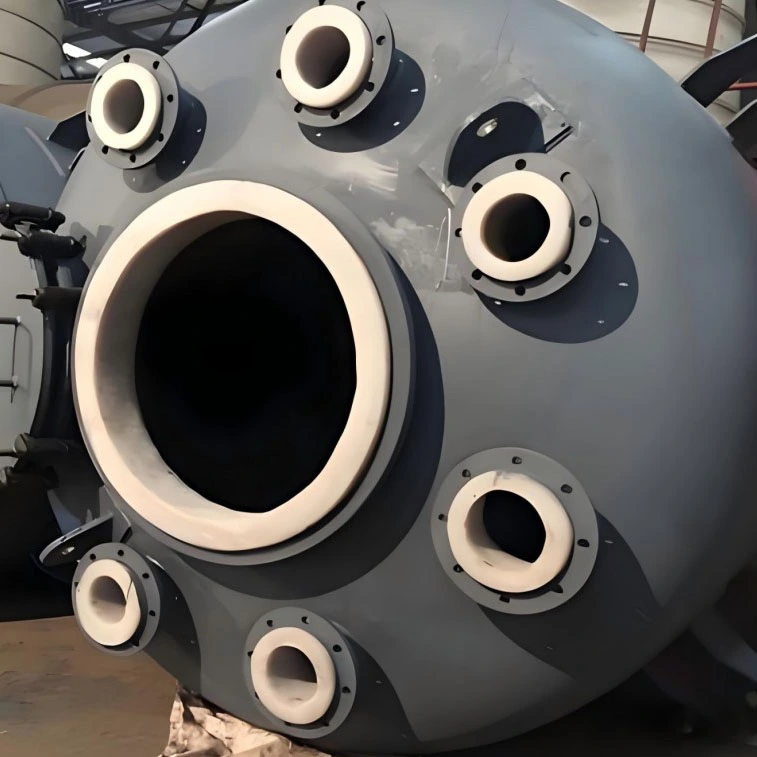
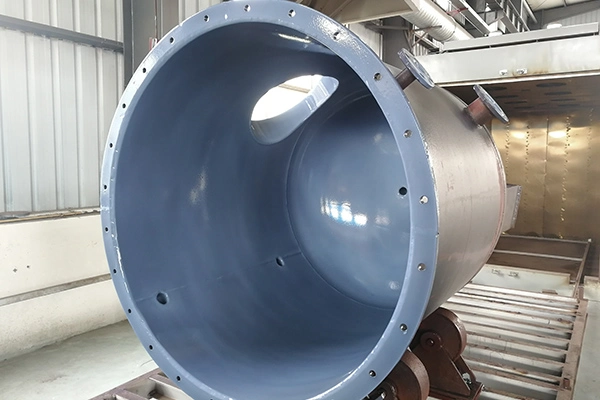
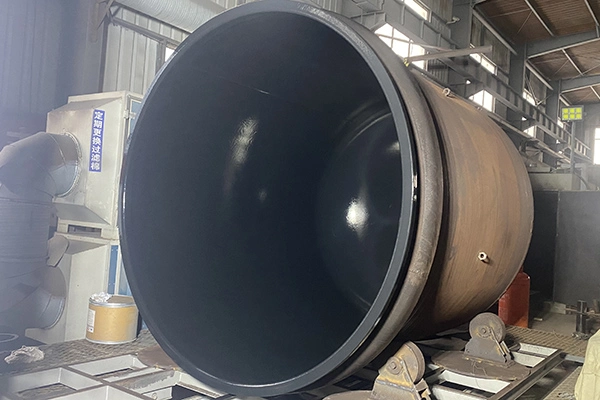
Our product range includes PTFE sheet-lined equipment, PTFE spraying and roller coating, plastic-lined equipment, PTFE-lined steel pipes and fittings, and related fluoropolymer components made from PTFE, PFA, ETFE, FEP and other advanced materials.
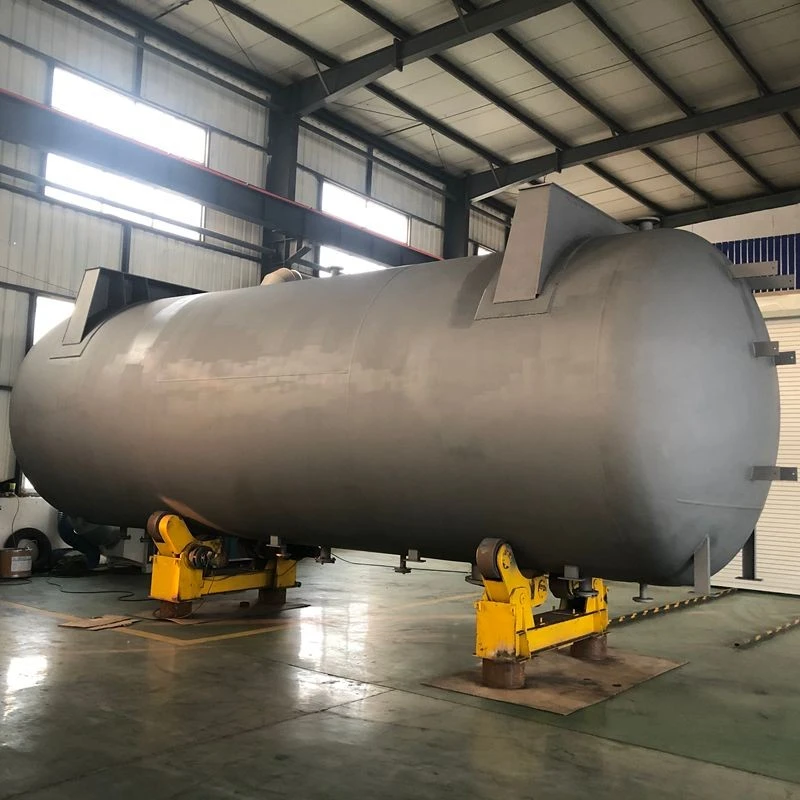
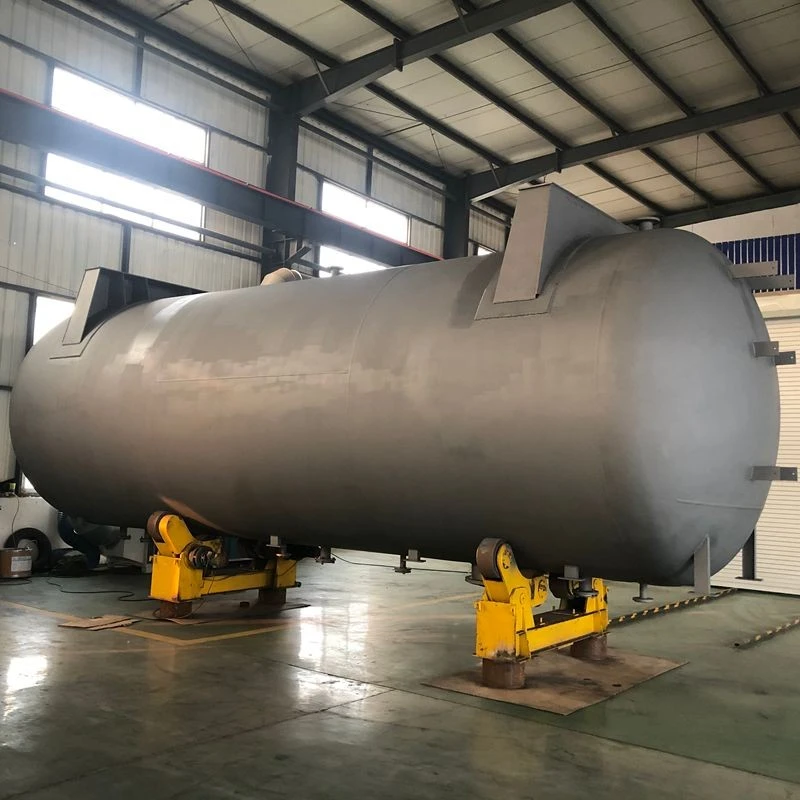
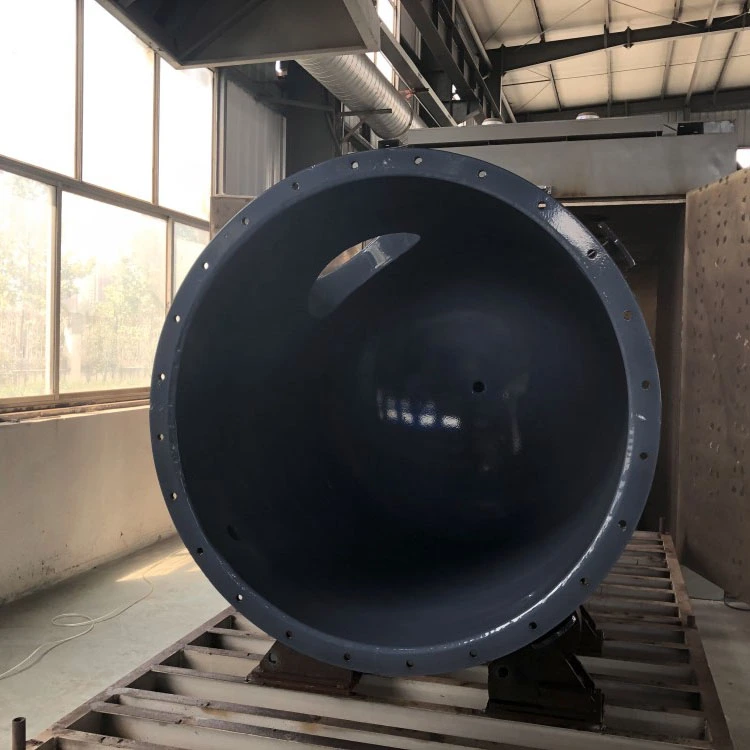
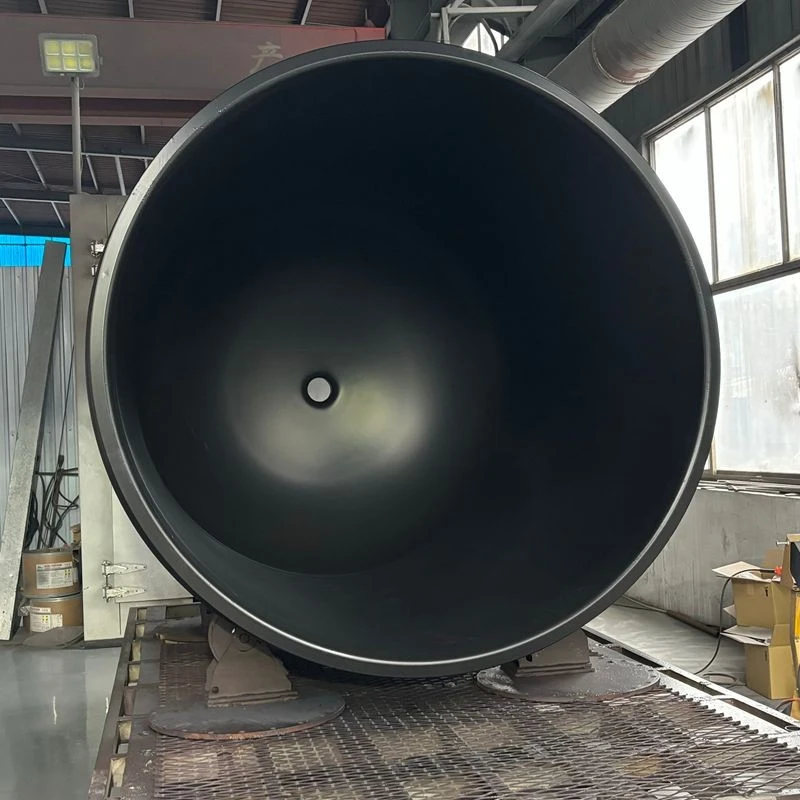
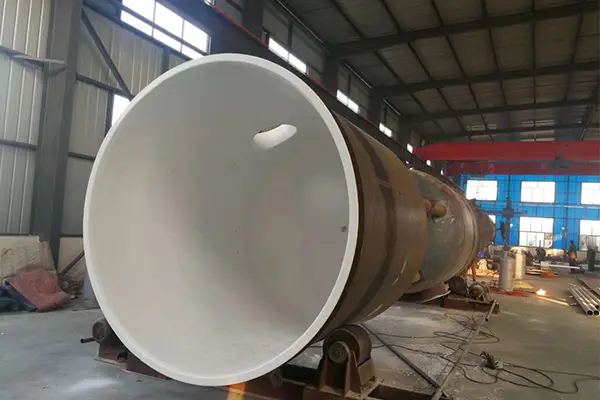
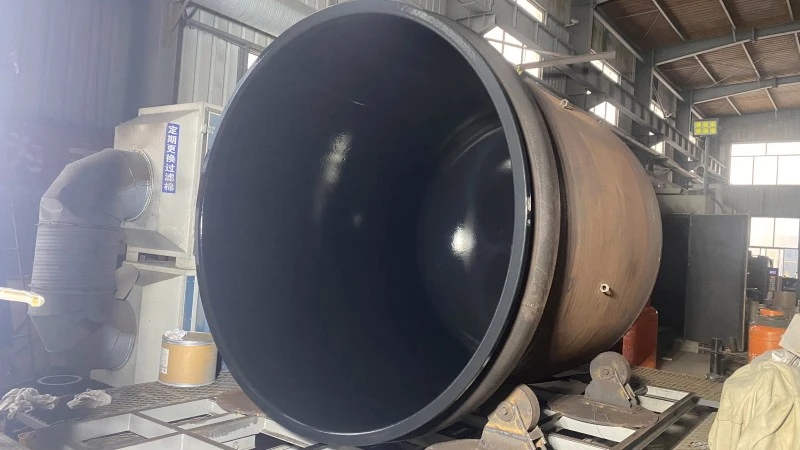
Zhuoyan's PFA coated chemical production storage tanks are high-performance storage containers consisting of a steel outer shell and an inner PFA (perfluoroalkoxy resin) coating. The steel substrate provides mechanical strength and pressure resistance, while the PFA coating prevents contamination of stored materials by metal ions and protects the steel body from corrosive media.
Zhuoyan offers vertical or horizontal configurations and supports customized sizes to meet customer needs. The PFA coating is applied through electrostatic powder coating or liquid spraying followed by high-temperature sintering, forming a dense, pinhole-free coating that adheres tightly to the metal surface.
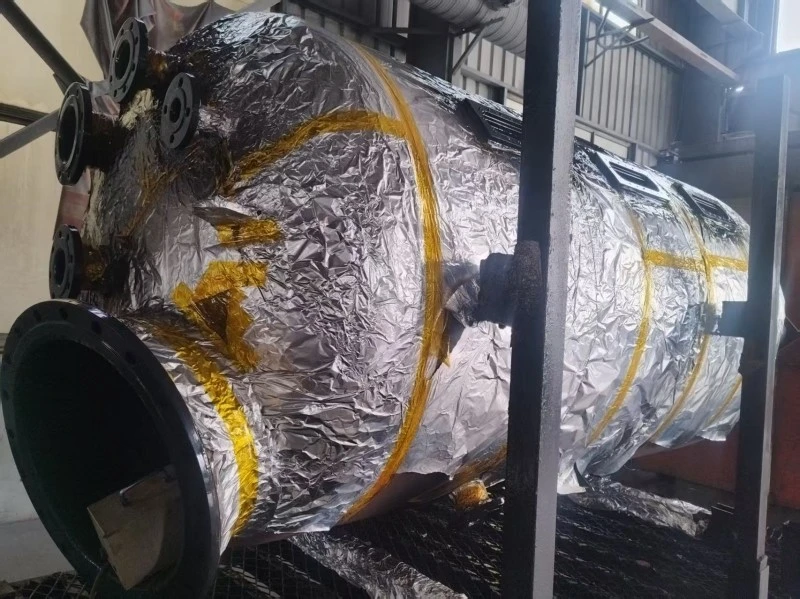
The protective function of PFA coated chemical production storage tank is based on two complementary aspects: chemical inertness and physical barrier.
Chemical Inertness: PFA is a perfluorinated polymer, and its carbon-fluorine bond is one of the strongest chemical bonds in organic chemistry. This molecular structure makes PFA inert to most chemicals, including strong inorganic acids, strong bases, strong oxidants, and organic solvents, with a suitable pH range of 0–14. When stored materials come into contact with the PFA surface, no chemical reaction, ion exchange, or material degradation occurs, thus maintaining the original composition of the stored substance.
Physical Barrier: The PFA coating is applied using a hot-melt process. After surface treatment (sandblasting to the desired anchor texture depth), PFA powder or liquid is uniformly sprayed onto a steel substrate and then sintered under controlled temperature conditions. This process forms a continuous, gapless film that physically isolates the steel shell from the stored medium. The tight adhesion formed during sintering prevents delamination and resists the penetration of small molecules through the coating.
Thermal compensation: The coating, with its inherent flexibility, accommodates the differential thermal expansion between the PFA and the steel body, remaining intact during temperature cycling without cracking or peeling.
Chemical Resistance:PFA is inert to strong acids (hydrochloric acid, sulfuric acid, nitric acid, hydrofluoric acid), strong alkalis, strong oxidants, and organic solvents. This broad compatibility meets the needs of different production lines requiring tank material replacement.
Temperature Resistance: The PFA coating maintains stable performance within a temperature range of -80°C to 260°C, allowing for long-term continuous operation at high temperatures without performance degradation.
High Purity and Easy Cleaning: The smooth, non-stick PFA surface prevents material adhesion, facilitating thorough cleaning and significantly reducing the risk of batch-to-batch cross-contamination. This is particularly critical for applications sensitive to trace metal ion contamination, such as pharmaceutical intermediates and electronic-grade chemicals.
Bond Strength: The hot-melt process creates a seamless, tight bond between the PFA layer and the steel body, unlike loose linings. The coating resists peeling and blistering even under temperature fluctuations and negative pressure conditions.
Imperility Resistance: The dense coating structure minimizes the penetration of small molecules, ensuring long-term protection even against easily permeable, low-viscosity solvents.
Mechanical Protection: The steel outer shell provides shock resistance and structural integrity, protecting the PFA liner from physical damage during normal operation and maintenance.
When selecting a PFA coated chemical production storage tank, consider the following factors:
Confirm that PFA is compatible with the specific chemicals to be stored. While PFA offers broad resistance, verifying compatibility with unusual or proprietary chemical formulations is recommended.
· Continuous operation: up to 200°C
· Short-term exposure: up to 260°C
Select the appropriate coating grade and thickness based on actual temperature conditions.
· Standard tanks: atmospheric to 0.6 MPa
· For higher pressure requirements, specify enhanced shell design and welding standards.
· Available capacities: Supports customization according to customer needs
· Vertical configurations save floor space; horizontal configurations suit low-clearance facilities or outdoor installations.
· Carbon steel: cost-effective for general corrosive service
· Stainless steel (304/316L): preferred for pharmaceutical and food-grade applications or where external corrosion is a concern
· Standard powder coating: 0.2 – 1.0 mm
· Standard liquid coating: approximately 100 μm
· Thicker coatings provide extended diffusion path for aggressive permeants; select based on storage duration and medium aggressiveness.
7. Connection and Accessory Requirements
Specify inlet/outlet flange standards, manhole sizes, level gauge connections, temperature sensor ports, and agitation requirements if applicable.
| Incorrect Operation | Consequences | Correct Practice |
| Exceeding maximum operating temperature | Accelerated coating degradation, reduced service life | Monitor temperature continuously; install temperature alarms |
| Mechanical impact during loading/unloading | Coating damage, exposing steel to corrosion | Use soft tools; install protective guards at access points |
| Using incompatible cleaning solvents | Swelling or surface roughening of PFA | Verify solvent compatibility before cleaning; refer to chemical resistance chart |
| Overtightening flange bolts | Warping or cracking at flange sealing areas | Use torque wrenches; follow specified tightening sequence and torque values |
| Subjecting tank to sudden vacuum without vacuum-rated design | Coating separation from shell | Confirm vacuum rating before applying vacuum; use vacuum breakers if needed |
| Neglecting regular coating inspection | Undetected damage leads to progressive corrosion | Schedule periodic spark testing and visual inspections |
| Using metal scrapers or abrasive tools for cleaning | Scratching the smooth PFA surface | Use plastic or soft-bristle tools only |
1. Pre-startup Inspection
Before first use and after any maintenance, inspect the PFA coating surface for scratches, pinholes, or foreign objects. Conduct a spark test to verify coating integrity.
2. Gradual Temperature Changes
Avoid rapid heating or cooling cycles. Allow the tank to reach operating temperature gradually to minimize thermal stress on the coating.
3. Proper Grounding
For flammable or solvent-based materials, ensure the tank is properly grounded to prevent static discharge.
4. Documentation
Maintain operating logs including temperature, pressure, contents, and cleaning records. This helps track coating performance over time.
5. Periodic Maintenance
· Visual inspection: monthly check for surface abnormalities
· Thickness measurement: annually or per site schedule
· Spark testing: annually or after any impact event
6. Cleaning Protocol
· Drain and rinse the tank thoroughly.
· Use soft sponges or cloths with approved cleaning agents.
· Rinse with clean water and dry completely before introducing new materials.
A1: Continuous operation is recommended not to exceed 200°C, with a short-term maximum of 260°C. Exceeding this limit may accelerate coating aging.
A2: Yes. Localized damage can be repaired by removing the damaged area, re-sandblasting, re-coating with PFA, and allowing for a curing cycle. The repaired area must pass an electrical spark test before the tank is put back into service.
A3:Yes. The PFA coating adheres tightly to the steel body through a hot-melt process, providing anti-peeling properties under negative pressure, outperforming mechanically lined tanks that rely on loose linings. Please confirm the vacuum rating with the Zhuoyan technical team when ordering.
A4: Smooth, non-stick surfaces can be cleaned with a mild detergent or approved solvent.
A5: Under normal operating conditions, the service life typically exceeds 10 years. Actual service life depends on operating temperature, chemical corrosiveness, cleaning frequency, and mechanical operation.
A6: Yes. Zhuoyan can customize tank dimensions, shell materials, coating thickness, flange standards, and connection types according to customer specifications. Please inform our technical team of your specific needs.
Address
80 Min’an Road, High-tech Zone, Zibo City, Shandong Province, China
Tel