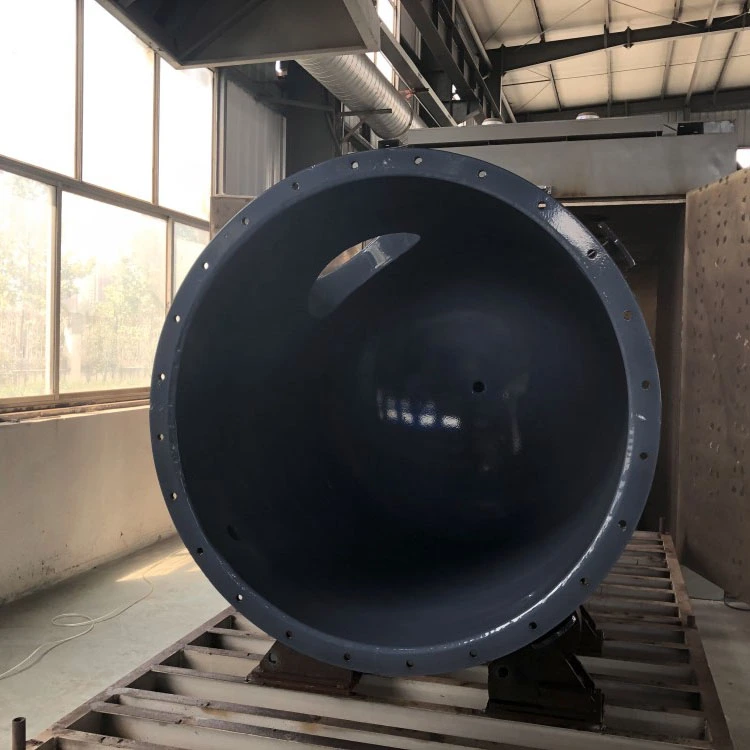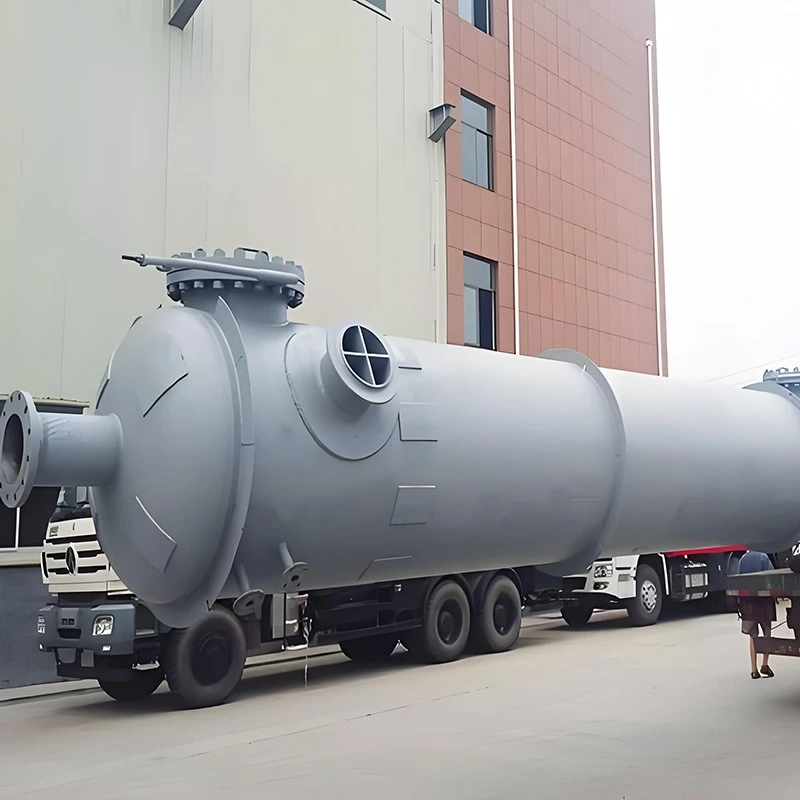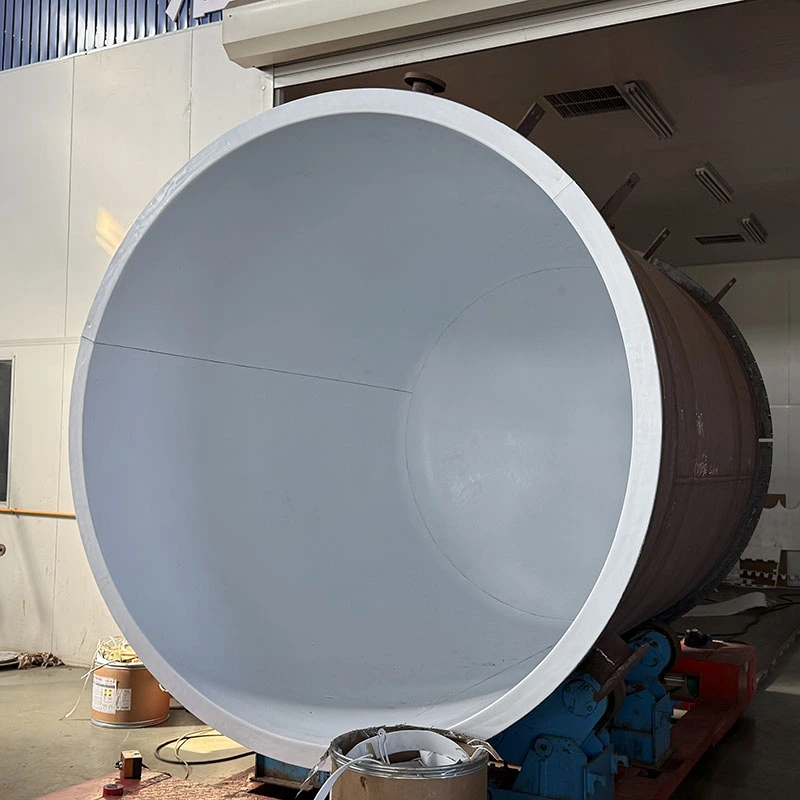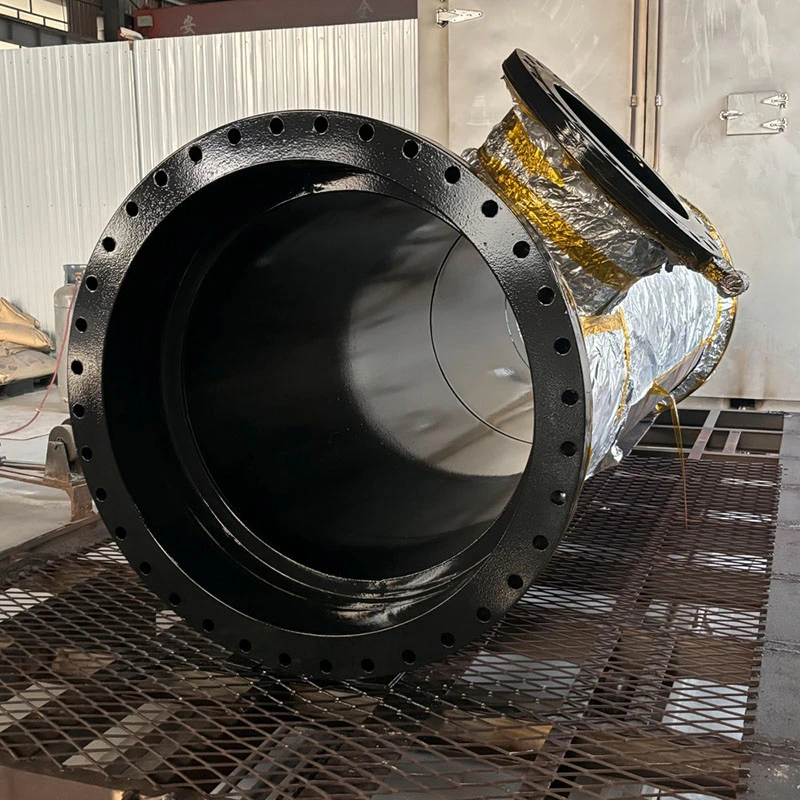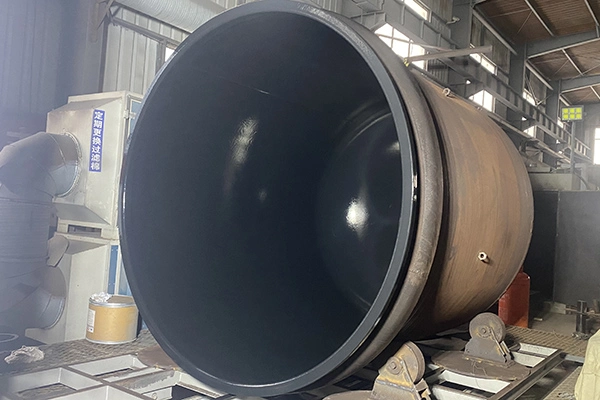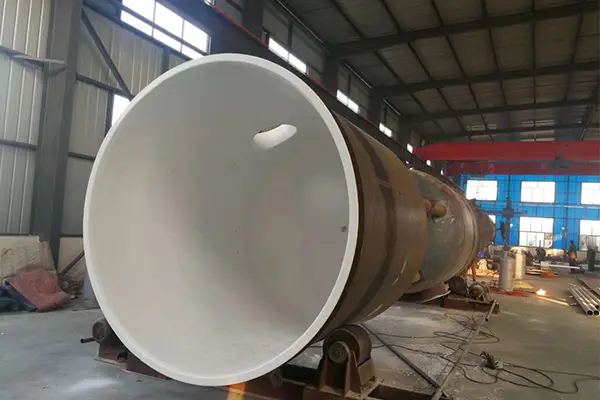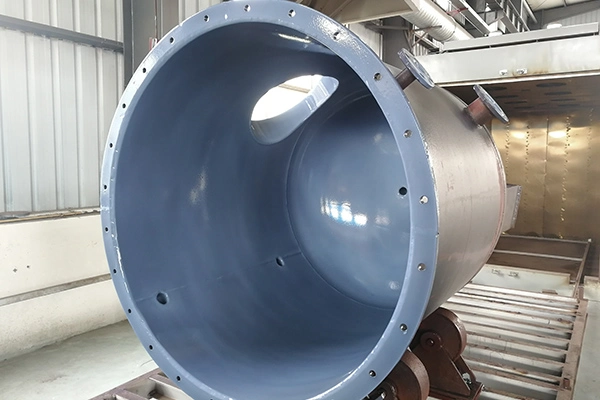

A PTFE lined chemical reactor is designed to help manufacturers handle demanding chemical reactions while reducing corrosion risks, protecting product purity, and improving equipment reliability. By combining a structural metal vessel with a polytetrafluoroethylene (PTFE) lining, this reactor design provides a protective barrier between aggressive process media and the equipment shell.
For chemical manufacturers, selecting the right reactor involves more than identifying a corrosion-resistant material. Chemical concentration, operating temperature, pressure, mixing requirements, heat transfer, and maintenance procedures all influence long-term performance. This guide explains how PTFE lined reactors work, where they are useful, what limitations buyers should understand, and how to evaluate a suitable configuration for industrial production.
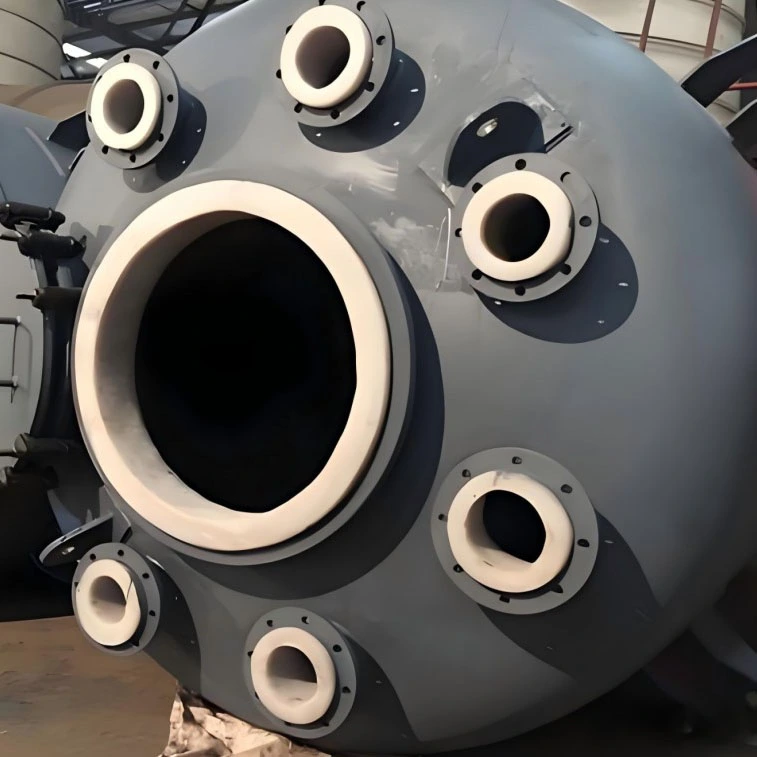
Table of Contents
- What Is a PTFE Lined Chemical Reactor?
- How Does a PTFE Lined Reactor Work?
- Key Benefits for Chemical Manufacturers
- Industrial Applications and Process Requirements
- PTFE Lining Compared with Other Materials
- How to Select the Right Reactor
- Operating and Maintenance Best Practices
- Common Problems and Their Prevention
- What to Evaluate When Choosing a Supplier
- Frequently Asked Questions
- Conclusion
1. What Is a PTFE Lined Chemical Reactor?
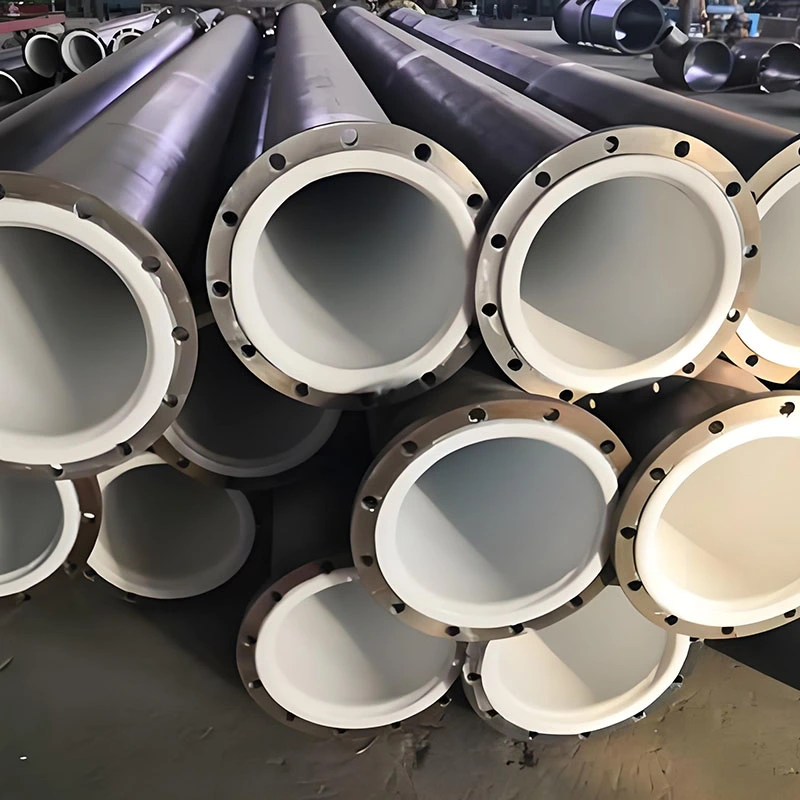
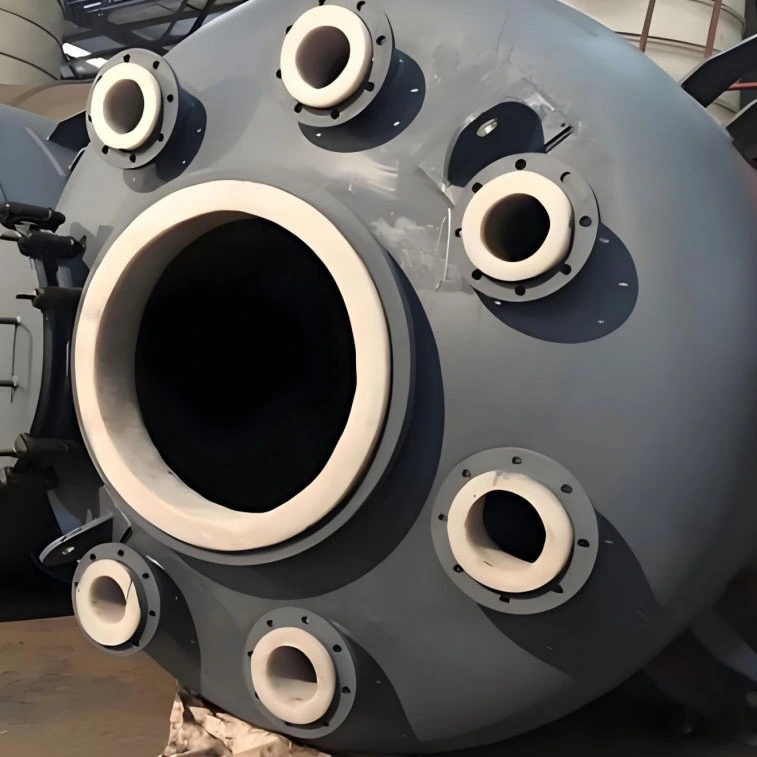
A PTFE lined chemical reactor is a process vessel whose internal surfaces are protected by a layer of polytetrafluoroethylene. The vessel typically combines a steel or other suitable structural shell with a fluoropolymer lining that contacts the reaction materials.
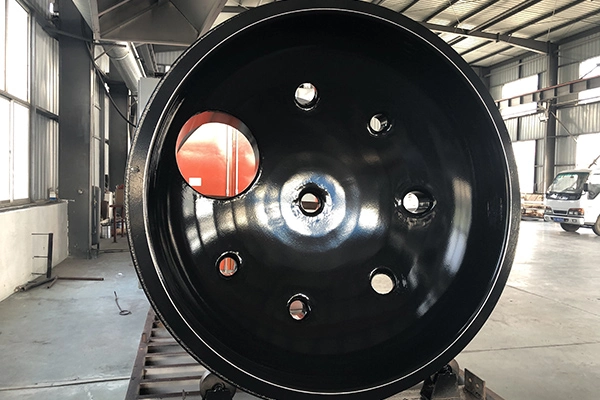
The metal shell provides the primary mechanical structure, while the PTFE layer acts as a corrosion-resistant barrier. Depending on the design, the complete assembly may include an agitator, heating or cooling jacket, process nozzles, sampling connections, discharge valves, and instrumentation.
Why Is PTFE Used in Chemical Equipment?
PTFE is valued for its broad resistance to many acids, alkalis, and organic chemicals, as well as its low-friction, non-stick surface. These properties can make it suitable for processes in which direct contact between reactive chemicals and conventional metal surfaces would create unacceptable corrosion or contamination risks.
However, chemical resistance is not universal under every operating condition. Compatibility depends on the specific chemical, concentration, temperature, exposure duration, and mechanical conditions. Engineers should confirm suitability using material compatibility data and the equipment manufacturer's recommendations.
2. How Does a PTFE Lined Reactor Work?
A lined reactor operates on the same basic principles as other chemical reaction vessels. Raw materials enter the vessel, mixing promotes contact between components, and heating or cooling controls the reaction environment. The lining separates the process medium from the structural shell.
Structural Shell and Protective Lining
The outer vessel is designed to withstand the specified mechanical loads and operating conditions. The internal PTFE lining provides chemical protection, subject to its design limits and installation quality. The lining construction may vary with vessel geometry, manufacturing technique, required thickness, and process conditions.
Mixing and Agitation
An agitator helps distribute reactants, improve temperature uniformity, and maintain a consistent mixture. Its speed, impeller design, shaft arrangement, and clearance must be appropriate for the viscosity, solids content, and reaction characteristics. Excessive mechanical contact or unsuitable mixing conditions may damage the lining.
Heating and Cooling
Many reactors use a jacket or another engineered heat-transfer arrangement to regulate the reaction temperature. The design must account for the thermal behavior of the lining, heat-transfer requirements, temperature gradients, and allowable pressure on both the process side and jacket side.
Because PTFE has relatively low thermal conductivity compared with metals, heat transfer can be affected by the lining thickness and overall vessel design. A process that requires rapid heating or cooling should therefore be evaluated carefully before the reactor is specified.
Sealing and Process Connections
Flanges, inspection openings, instrument ports, and discharge connections must maintain chemical containment throughout operation. Suitable gasket materials, correct flange alignment, and controlled bolt tightening help prevent leakage and protect the lining near connection points.
3. Key Benefits for Chemical Manufacturers
3.1 Improved Corrosion Protection
Corrosive chemicals can attack metal surfaces, leading to wall thinning, leakage, unplanned shutdowns, and expensive repairs. A properly selected and maintained PTFE lining provides a barrier that can reduce direct chemical exposure of the structural vessel.
This benefit is particularly important when processing aggressive media that are incompatible with ordinary carbon steel or selected stainless steel grades. The actual suitability must still be confirmed for the complete operating envelope.
3.2 Reduced Risk of Product Contamination
Metal corrosion products can affect product color, purity, reaction behavior, or downstream quality. PTFE's chemical inertness can help reduce contamination associated with corrosion of the vessel's internal surfaces.
For high-purity applications, buyers should also evaluate the lining grade, surface condition, cleaning procedure, seals, and all other product-contact components.
3.3 Non-Stick Surface Characteristics
PTFE has a low-friction surface that may reduce the adhesion of certain reaction products and make cleaning easier. This can be useful when residues would otherwise accumulate on the vessel walls.
Actual cleaning performance depends on the material being processed, its viscosity, crystallization behavior, and the geometry of the equipment. Non-stick properties do not eliminate the need for a validated cleaning process.
3.4 Potentially Lower Maintenance Costs
When a lined reactor is properly specified, it may reduce corrosion-related maintenance and extend the service life of the equipment. Fewer repairs can improve production availability and reduce the costs associated with replacement parts and downtime.
These savings are not automatic. Incorrect chemical selection, thermal shock, abrasion, overpressure, or poor maintenance can shorten lining life and increase the total cost of ownership.
3.5 Flexible Process Configuration
Depending on the manufacturer and design, PTFE lined reactors may be configured with different capacities, nozzle arrangements, agitator systems, jacket designs, and instrumentation connections. Matching the configuration to the process can improve installation efficiency and day-to-day operation.
4. Industrial Applications and Process Requirements
PTFE lined chemical reactors are considered for processes in which corrosion resistance, material compatibility, and control of product contamination are important. The final equipment specification should always reflect the actual chemicals and reaction conditions.
Chemical Manufacturing
Chemical producers may use lined reactors for selected acid-base reactions, neutralization, synthesis, and the processing of corrosive intermediates. The lining can help protect internal surfaces when the process medium is compatible with PTFE.
Pharmaceutical and Fine Chemical Production
In fine chemical manufacturing, product quality and contamination control can be critical. A lined reactor may be suitable for certain synthesis and intermediate-processing operations, provided that the design meets the required cleaning, traceability, and process-control standards.
Fluorochemical Processing
Some fluorochemical processes involve highly aggressive chemicals that require specialized equipment materials. PTFE is one potential lining material, but compatibility must be assessed for the specific fluorinated compounds, concentrations, temperature, and pressure.
Pesticide and Dye Intermediate Production
Selected pesticide, pigment, and dye-intermediate processes involve reactive materials, acids, solvents, or alkaline media. A corrosion-resistant reactor can help reduce equipment degradation and support consistent production when the material and vessel design are suitable.
Wastewater and Environmental Chemical Treatment
Industrial wastewater treatment may involve chemical neutralization, dosing, and the handling of corrosive process streams. A PTFE lined reactor can be considered where its resistance and operating limits match the treatment chemistry.
5. PTFE Lining Compared with Other Materials
Choosing a reactor lining requires balancing chemical resistance, heat transfer, mechanical performance, cleaning requirements, and purchase cost. No single material is ideal for every chemical process.
| Material or Design | Main Strength | Important Consideration | Typical Evaluation Focus |
|---|---|---|---|
| PTFE lined reactor | Broad chemical resistance and a non-stick surface | Thermal expansion, mechanical damage, permeation, and design-specific temperature and pressure limits | Aggressive chemicals and contamination control |
| Glass-lined reactor | Hard, smooth surface with good resistance to many chemicals | Glass can be damaged by impact or thermal shock and is unsuitable for certain chemicals, including hydrofluoric acid | Processes compatible with glass and requiring a smooth surface |
| Stainless steel reactor | Mechanical strength and efficient heat transfer | Corrosion resistance varies with grade, chemical composition, concentration, and temperature | Processes compatible with the selected alloy |
| Other fluoropolymer linings | Potentially useful processing and fabrication characteristics | Resistance, temperature capability, permeability, and fabrication options vary by polymer | Specialized geometry and process-specific requirements |
PTFE, PFA, FEP, ETFE, and other fluoropolymers should not be treated as interchangeable. Their mechanical behavior, processing methods, temperature limits, and chemical compatibility differ. Ask the equipment supplier to identify the actual lining material rather than relying on a general description such as fluoropolymer-lined.
6. How to Select the Right PTFE Lined Chemical Reactor
For procurement teams, the most reliable way to select a reactor is to start with process data rather than choosing equipment based on vessel capacity or price alone.
Step 1: Identify All Process Chemicals
Prepare a list of reactants, products, catalysts, solvents, cleaning agents, and potential by-products. Include concentration ranges and identify whether the chemicals are used separately or as mixtures. Submit this information for a compatibility review.
Step 2: Define Temperature and Pressure Conditions
Specify normal operating conditions, startup and shutdown temperatures, cleaning temperatures, maximum credible operating conditions, and any vacuum requirements. Confirm the allowable limits of the complete reactor assembly, including the lining, shell, seals, jacket, and connected components.
Step 3: Determine Capacity and Mixing Requirements
Vessel volume should reflect the working batch size, required headspace, foaming behavior, and process expansion. Agitator selection should consider viscosity, solids, mixing intensity, and the possibility of abrasive particles damaging the lining.
Step 4: Evaluate Heat Transfer
Define the required heating and cooling rates, available heating medium, cooling utility, and allowable temperature variation. Ask for a heat-transfer assessment if reaction control depends on rapid temperature changes or substantial heat removal.
Step 5: Review Construction and Connections
Confirm the structural material, lining construction, specified lining thickness, nozzle arrangement, agitator seals, gasket materials, discharge configuration, and instrument connections. Drawings should clearly identify all wetted components.
Step 6: Confirm Inspection and Documentation
Before purchase, clarify the inspection plan, lining integrity tests, pressure and leak tests where applicable, material documentation, operating instructions, and maintenance recommendations. Testing should follow the applicable design requirements and avoid methods that could damage the lining.
| Specification | Information to Provide |
|---|---|
| Process medium | Chemical names, concentrations, mixtures, and cleaning agents |
| Operating envelope | Normal and maximum temperature, pressure, vacuum, and cycle frequency |
| Production requirements | Batch volume, working volume, viscosity, solids, and reaction time |
| Mixing and thermal control | Agitator requirements, heating method, cooling duty, and temperature control |
| Installation | Available space, connection standards, utilities, and maintenance access |
| Quality requirements | Inspection documentation, cleanliness, traceability, and applicable standards |
7. Operating and Maintenance Best Practices
Even a high-quality PTFE lined reactor needs appropriate operating procedures. Routine inspection and controlled process conditions help identify risks before they result in leakage or an unexpected shutdown.
Inspect the Lining Regularly
Follow the manufacturer's inspection schedule and check accessible internal surfaces for cuts, cracks, blisters, discoloration, deformation, or separation. Pay particular attention to areas near nozzles, flange joints, the discharge outlet, and agitator interfaces.
Avoid Thermal Shock
Rapid temperature changes can create differential expansion between the lining and structural shell. Follow approved heating and cooling procedures, and confirm that temperature ramps remain within the equipment's specified limits.
Prevent Mechanical Damage
Use suitable tools and cleaning methods. Avoid sharp metal implements, uncontrolled impact, and abrasive cleaning techniques that can scratch or puncture the lining. Confirm agitator clearances and operating conditions to minimize contact with internal surfaces.
Control Pressure and Vacuum
Do not assume that the vessel can withstand full vacuum or any particular pressure simply because it has a PTFE lining. Confirm the approved limits for both the vessel and jacket, and ensure that pressure-relief and process-control systems are suitable for the application.
Maintain Seals and Connections
Inspect gaskets, flange joints, instrument connections, and mechanical seals for signs of leakage or deterioration. Replacement materials must be compatible with all process chemicals and cleaning agents.
Keep Maintenance Records
Record operating conditions, cleaning procedures, inspections, repairs, and any changes in the process chemistry. These records help identify recurring issues and support evidence-based maintenance planning.
8. Common Problems and Their Prevention
Lining Damage or Separation
Mechanical impact, unsuitable thermal cycles, excessive pressure differentials, or manufacturing defects can compromise the lining. Prevention begins with correct equipment selection, verified manufacturing quality, controlled operation, and regular inspection.
Unexpected Corrosion
Corrosion may occur at exposed metal areas, damaged lining sections, incompatible connections, or components that were not included in the original material review. Confirm the compatibility of the entire wetted assembly and investigate any unexpected contamination or leakage promptly.
Slow Heating or Cooling
Heat-transfer performance may be lower than expected because of the lining, insufficient utility capacity, fouling, or an unsuitable jacket design. Establish heating and cooling requirements before purchase and review the proposed thermal design with the manufacturer.
Leakage Around Flanges
Leaks can result from damaged gaskets, uneven flange loading, poor alignment, or thermal cycling. Use the specified gasket and tightening procedure, and inspect connections after maintenance or abnormal operating events.
Unexpected Cleaning Difficulties
Although PTFE has non-stick characteristics, some materials may still crystallize, polymerize, or form deposits. Develop a cleaning procedure that accounts for residue chemistry, safe cleaning agents, and the lining's operating limits.
9. What to Evaluate When Choosing a Supplier
A suitable supplier should be able to explain how the proposed equipment matches the process, not simply provide a quotation based on capacity.
- Technical understanding: Can the supplier review chemical compatibility, operating conditions, and potential process risks?
- Design transparency: Are the lining material, construction method, thickness, vessel design conditions, and wetted components clearly specified?
- Manufacturing quality: Are fabrication procedures, quality-control checkpoints, and lining inspection methods documented?
- Customization capability: Can the vessel capacity, nozzle positions, agitator configuration, and heat-transfer arrangement be adapted to the process?
- Technical documentation: Are drawings, operating instructions, inspection records, and maintenance guidance available as required?
- After-sales support: Can the supplier assist with installation, troubleshooting, spare parts, and maintenance questions?
Shandong Zhuoyan New Materials Co., Ltd. can be included in the supplier evaluation process for buyers researching PTFE lined chemical reactor solutions. Before making a purchasing decision, communicate the process requirements and request the relevant technical specifications, material compatibility information, and quality documentation for the proposed equipment.
10. Frequently Asked Questions
Q1: What chemicals can a PTFE lined chemical reactor handle?
A PTFE lined reactor can be suitable for many acids, alkalis, and organic chemicals. Compatibility depends on the exact chemical composition, concentration, temperature, pressure, and exposure conditions. Mixed media and cleaning agents must also be assessed before use.
Q2: What is the maximum operating temperature of a PTFE lined reactor?
There is no single maximum temperature applicable to every PTFE lined reactor. The allowable temperature depends on the lining grade, construction method, pressure, vessel design, seals, and the manufacturer's approved operating limits. Buyers should obtain the specific limits for the complete assembly.
Q3: Can a PTFE lined reactor operate under vacuum?
Some designs are engineered for vacuum service, while others are not. Vacuum suitability depends on the vessel structure, lining support, geometry, temperature, and differential pressure. Confirm the permitted vacuum level in the equipment documentation before operation.
Q4: Is a PTFE lined reactor suitable for high-purity production?
It may be suitable when the lining grade, manufacturing quality, surface condition, seals, and cleaning procedures meet the required purity standards. High-purity applications require an assessment of every product-contact component rather than the lining alone.
Q5: How long does a PTFE lining last?
Service life varies with chemical exposure, operating temperature, pressure cycling, mechanical wear, installation quality, and maintenance. There is no universal service-life figure. Regular inspection and adherence to the specified operating envelope help manage lining degradation.
Q6: Does a PTFE lined reactor require special cleaning?
Cleaning should follow a validated procedure appropriate for the residue and process chemistry. Use compatible cleaning agents, avoid damaging tools and abrasive methods, and ensure that cleaning temperatures and pressure conditions remain within approved limits.
Q7: What information is needed to request a reactor quotation?
Prepare the required working volume, chemical names and concentrations, operating temperature and pressure, vacuum requirements, mixing conditions, heating and cooling requirements, connection details, and any applicable quality or documentation standards. Process drawings and details of existing equipment can also help the supplier assess feasibility.
Q8: Is a PTFE lined reactor always better than a glass-lined or stainless steel reactor?
No. Each design has advantages and limitations. The best option depends on chemical compatibility, heat transfer, mechanical demands, contamination requirements, maintenance needs, and overall cost. A process-specific engineering assessment is more reliable than choosing a material based on general claims.
11. Conclusion
A PTFE lined chemical reactor can provide an effective solution for selected corrosive chemical processes by combining the structural strength of a suitable vessel shell with the chemical resistance and non-stick characteristics of PTFE. Its potential benefits include improved corrosion protection, reduced contamination risk, easier cleaning, and more reliable production.
Achieving these benefits depends on correct material selection, a suitable lining design, adequate heat-transfer and mixing performance, and disciplined operation and maintenance. Buyers should confirm chemical compatibility and all pressure and temperature limits before finalizing an equipment specification.
For manufacturers evaluating a PTFE lined chemical reactor, a detailed technical discussion with a qualified supplier is a practical first step toward finding a solution that fits the process, production targets, and long-term maintenance requirements.
Looking for a PTFE Lined Chemical Reactor Solution?
Choosing the right reactor starts with understanding your chemical media, operating conditions, and production requirements. Shandong Zhuoyan New Materials Co., Ltd. welcomes inquiries from industrial buyers seeking information about PTFE lined chemical reactor solutions and application requirements.
Share your process details, required capacity, temperature and pressure range, and technical expectations so your equipment requirements can be evaluated more effectively. Contact Us.