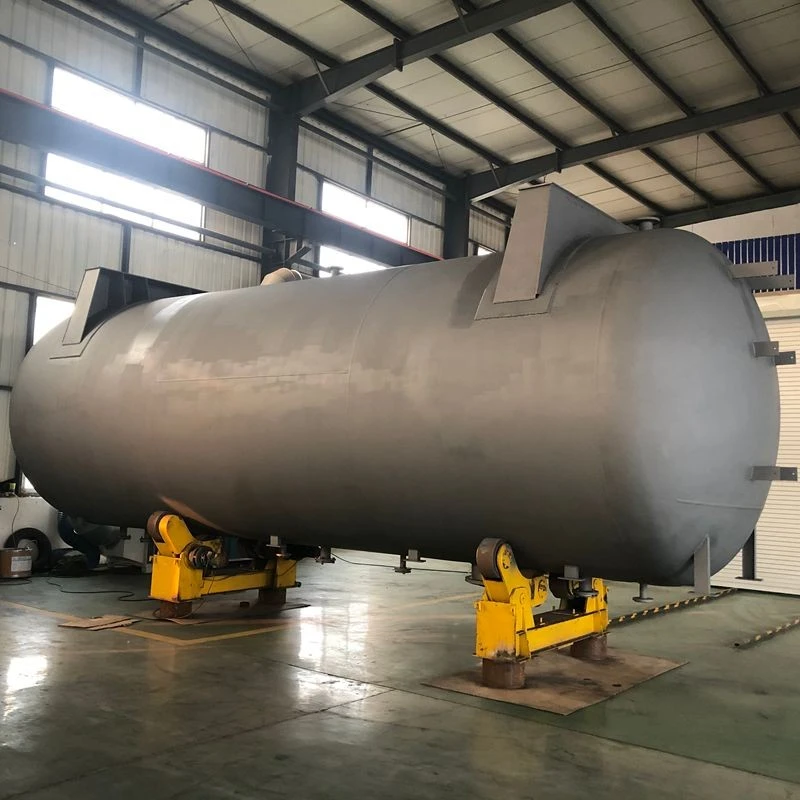
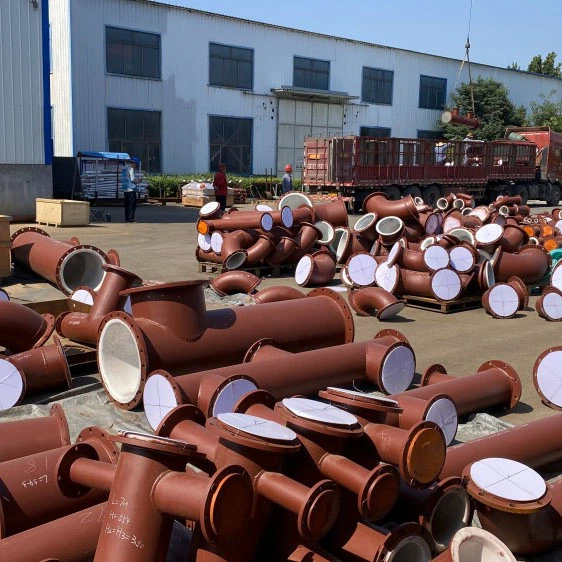
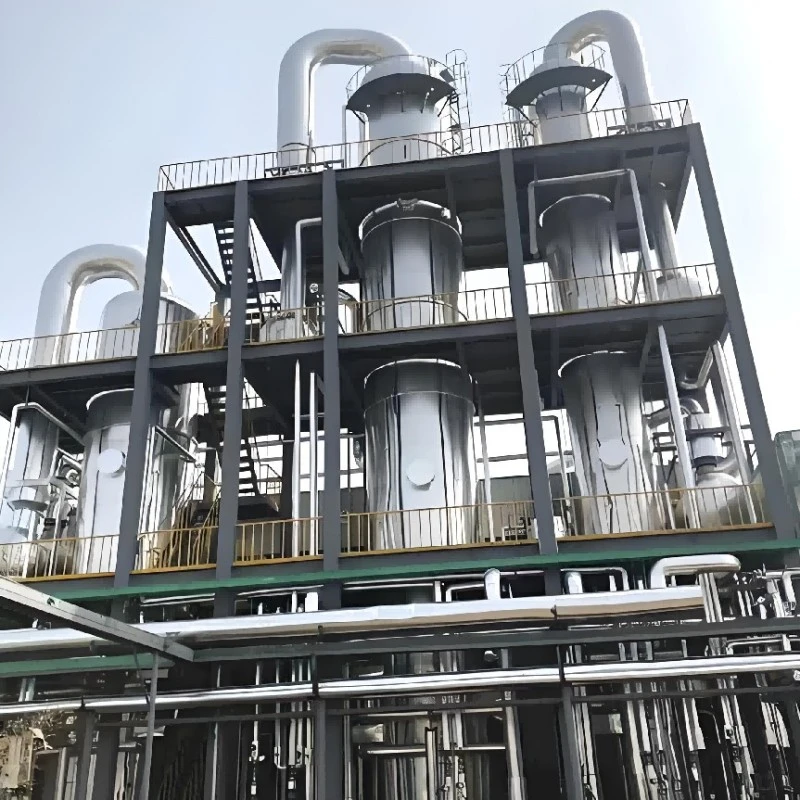
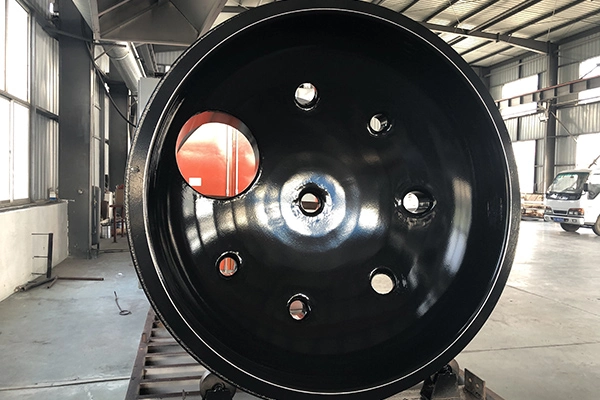
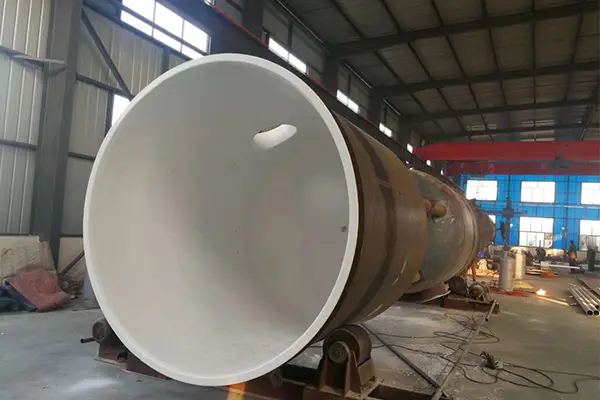
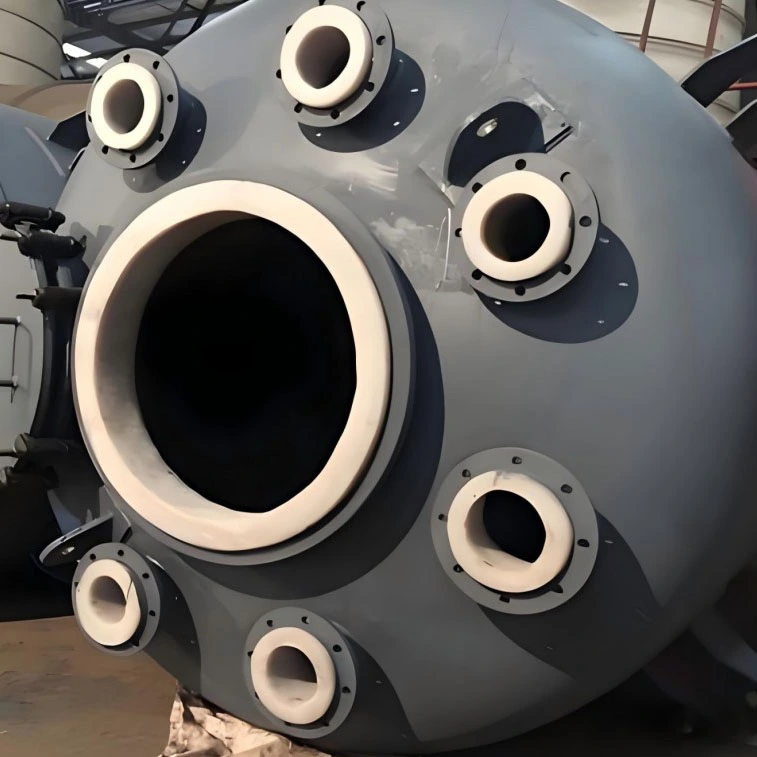
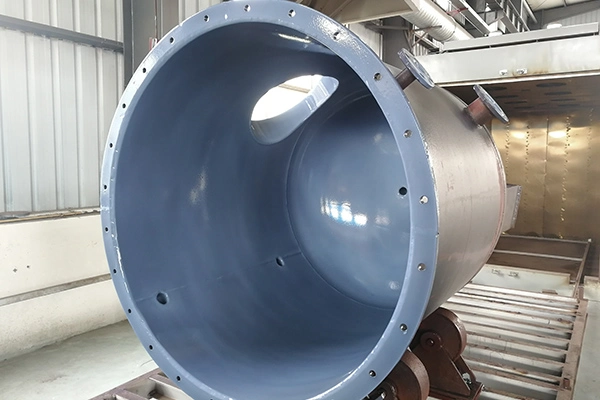
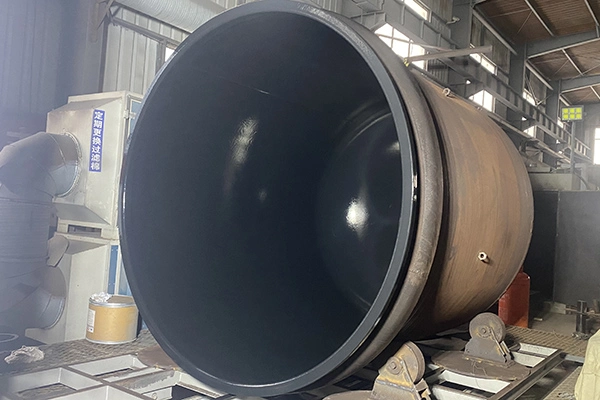
Our product range includes PTFE sheet-lined equipment, PTFE spraying and roller coating, plastic-lined equipment, PTFE-lined steel pipes and fittings, and related fluoropolymer components made from PTFE, PFA, ETFE, FEP and other advanced materials.
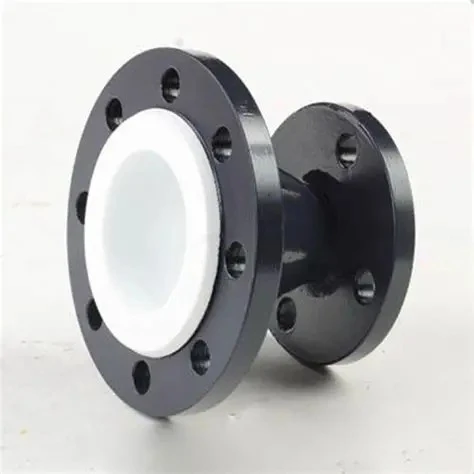
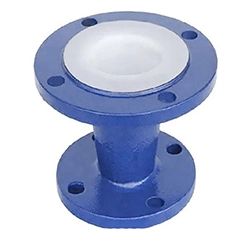
PTFE Lined Reducers are designed to connect pipes of different diameters in corrosion-resistant industrial piping systems. They provide a gradual transition between larger and smaller pipe sections while maintaining a lined flow passage for corrosive media. Zhuoyan is a China-based manufacturer and supplier of PTFE-lined fittings for chemical, pharmaceutical, and other industrial process applications.
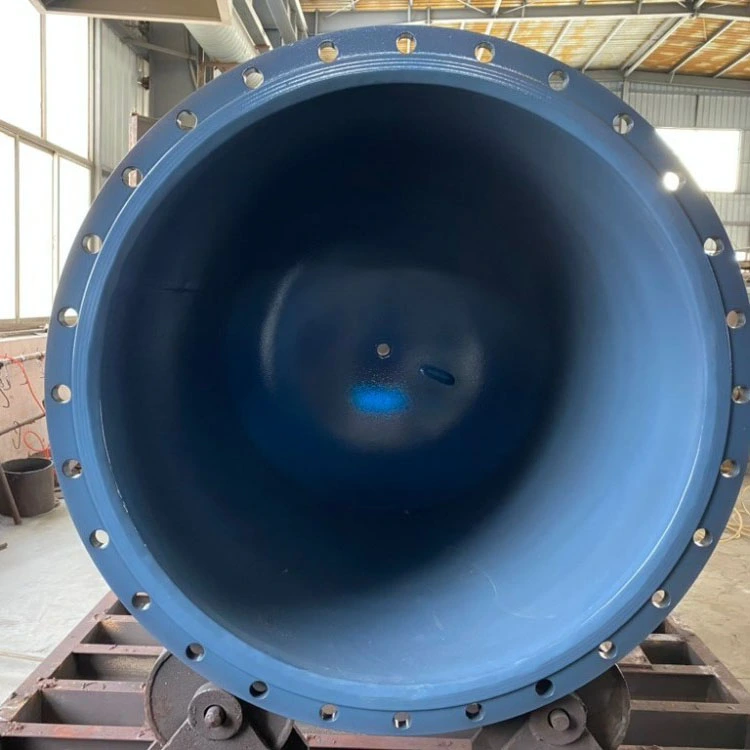
The internal PTFE lining separates the conveyed medium from the steel reducer body, helping protect the metal substrate from corrosion caused by compatible acidic, alkaline, and other chemical media. Zhuoyan offers customized inlet and outlet diameters, reducer length, and flange specifications to match different pipeline layouts and connection requirements.
The main difference between concentric and eccentric reducers is the position of their centerlines. This structural distinction affects how the reducer fits into the pipeline and how gas or liquid may collect within a horizontal pipe section.
| Reducer Type | Structural Design | Typical Selection Considerations |
|---|---|---|
| Concentric PTFE Lined Reducer | The inlet and outlet share the same centerline, forming a symmetrical transition. | Suitable where the pipe centerline needs to remain aligned, including many vertical piping arrangements. Confirm the installation orientation and available space. |
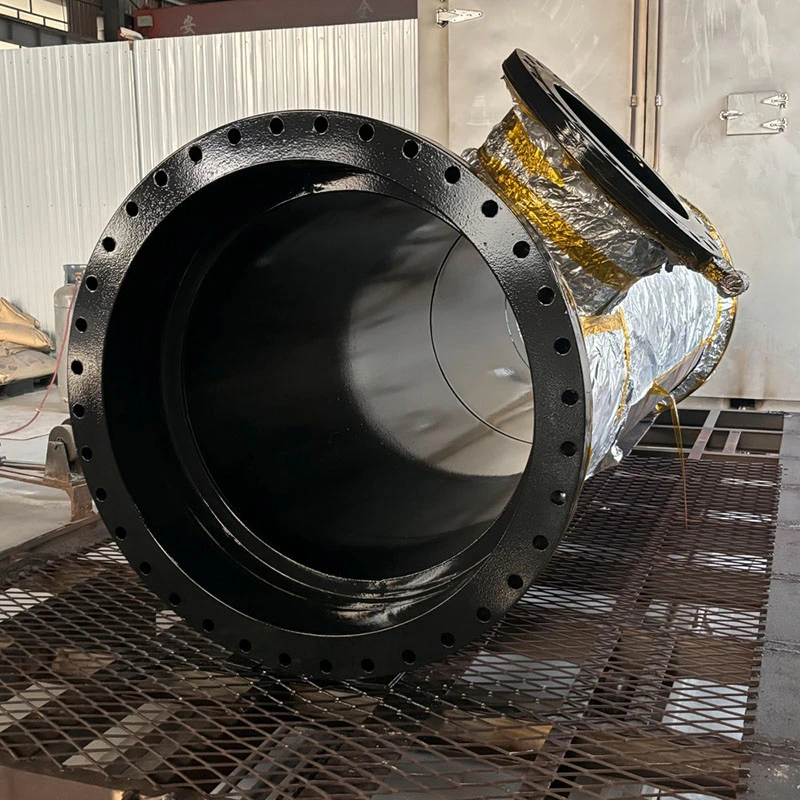
| Eccentric PTFE Lined Reducer | The inlet and outlet have offset centerlines, with one side remaining flat. | Often considered for horizontal piping when gas accumulation or liquid retention needs to be managed. The flat-side orientation depends on whether preventing air pockets or facilitating drainage is the priority. |
For pump suction lines, an eccentric reducer installed with the flat side up may help prevent air pockets. In applications requiring complete drainage, a flat-side-down arrangement may be more appropriate. The final configuration should be confirmed against the piping layout and operating requirements rather than selected by pipeline orientation alone.
A reducer must match both the connected pipe sizes and the installation dimensions. Shandong Zhuoyan New Materials Co., Ltd. can customize the inlet diameter, outlet diameter, reducer length, and flange standard according to the project requirements.
For replacement projects, checking the existing reducer dimensions and flange interfaces before ordering can help avoid installation mismatches. For new piping systems, the reducer geometry should be selected together with the surrounding pipes and other fittings.
The PTFE lining provides a corrosion-resistant internal barrier between the process medium and the steel body. Its chemical compatibility should be assessed according to the medium composition, concentration, operating temperature, and service conditions.
The smooth internal transition helps avoid an unnecessarily abrupt change in the flow passage when connecting pipes of different diameters. Properly matched reducer geometry can help limit flow disturbance and medium retention, although actual flow resistance and turbulence also depend on flow rate, diameter ratio, reducer length, and the wider piping design.
Before shipment, each PTFE Lined Reducer undergoes high-voltage spark pinhole inspection to check the integrity of the lining. This inspection helps identify potential discontinuities in the PTFE barrier before the fitting is installed in the process line.
A concentric reducer maintains a common centerline between the inlet and outlet, while an eccentric reducer has an offset centerline and one flat side. Concentric designs are commonly considered where centerline alignment is required. Eccentric designs can be useful in horizontal lines where air accumulation or liquid retention needs to be controlled. The appropriate type and orientation depend on the piping layout and operating requirements.
An eccentric configuration may be considered for slurry service, subject to technical confirmation. Suitability depends on the slurry composition, solid particle characteristics, flow conditions, reducer geometry, and lining requirements. Please provide the medium details and operating conditions for evaluation before ordering.
Yes. The flange standard and connection dimensions can be specified according to the piping design. Please provide the existing flange specifications, nominal pipe sizes, and relevant drawings so the required connection configuration can be confirmed.
Please provide the inlet and outlet diameters, reducer type, required length, flange standard, conveyed medium, operating temperature, pressure conditions, and quantity. For replacement projects, existing product drawings or dimensional measurements are also helpful.
Contact Zhuoyan for customized PTFE-lined reducer requirements. As a manufacturer and supplier based in China, we can discuss reducer dimensions, concentric or eccentric configurations, and flange connections according to your pipeline design. Submit your technical requirements to request product details and a factory quotation.