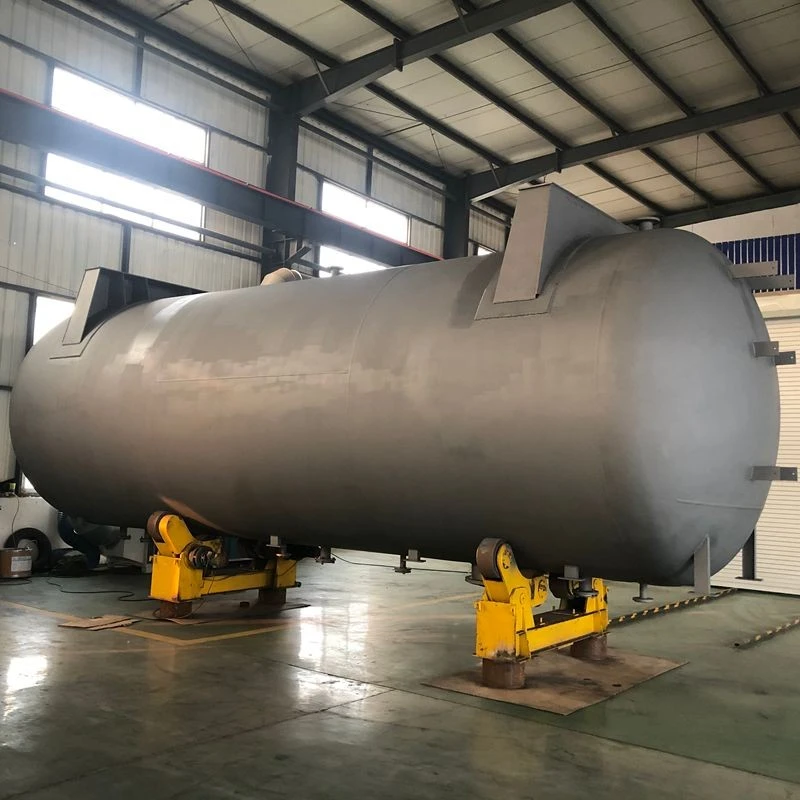
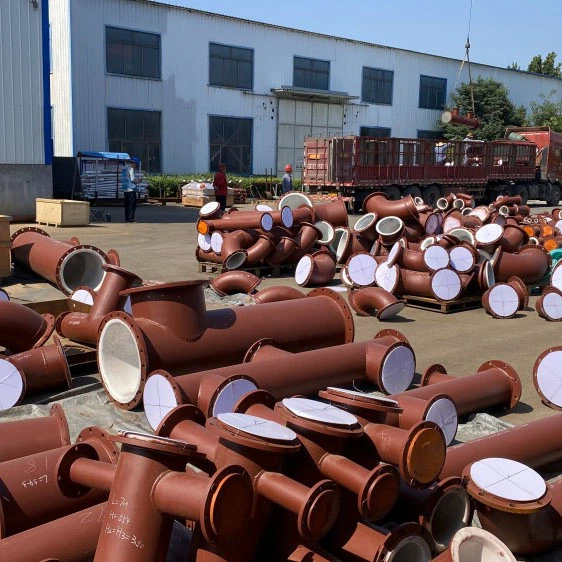
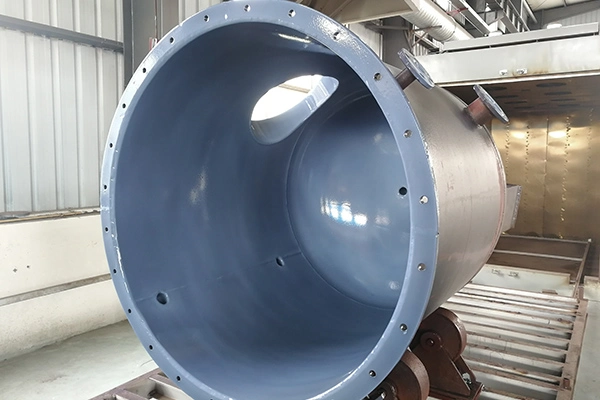
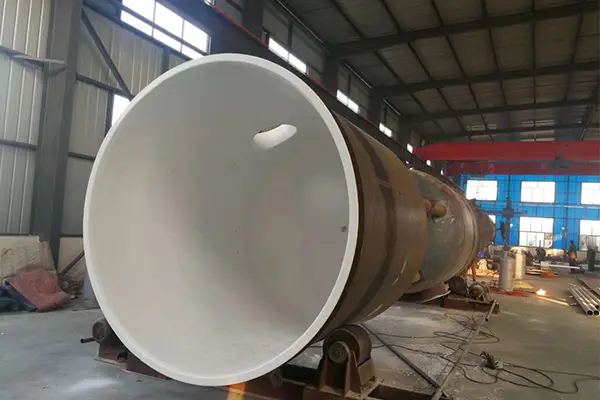
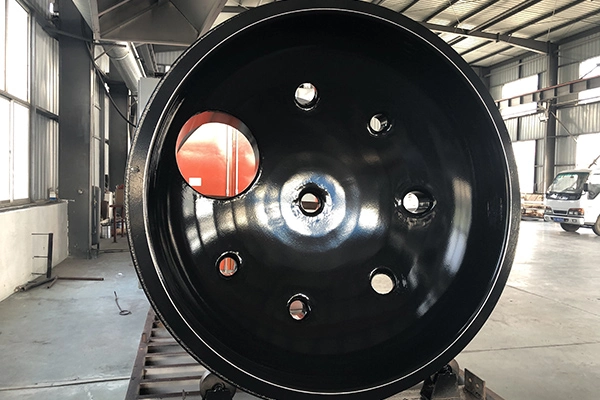
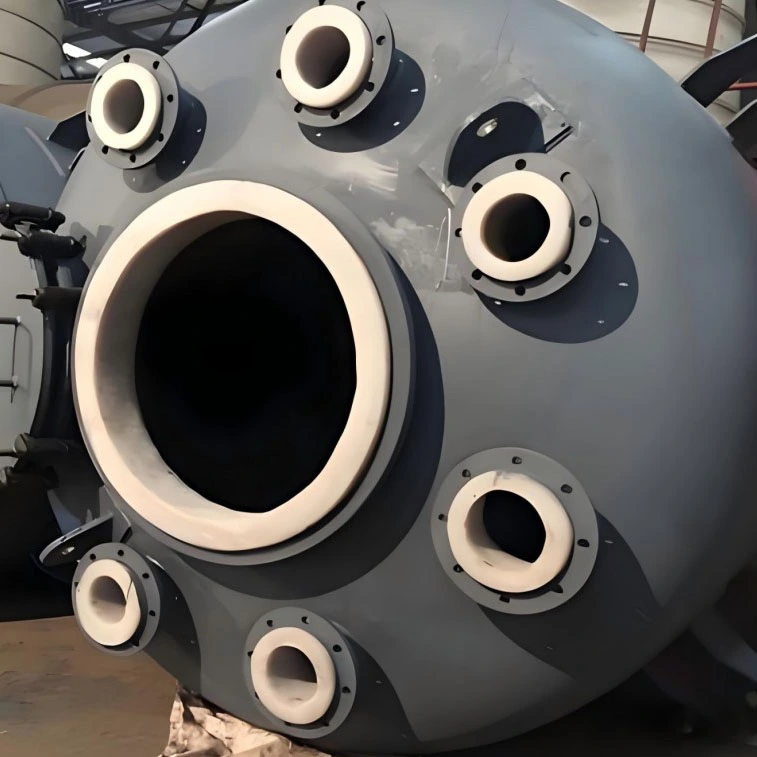
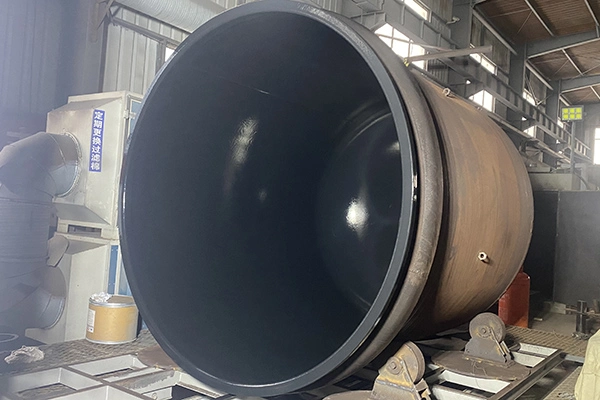
Our product range includes PTFE sheet-lined equipment, PTFE spraying and roller coating, plastic-lined equipment, PTFE-lined steel pipes and fittings, and related fluoropolymer components made from PTFE, PFA, ETFE, FEP and other advanced materials.
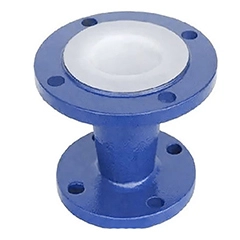
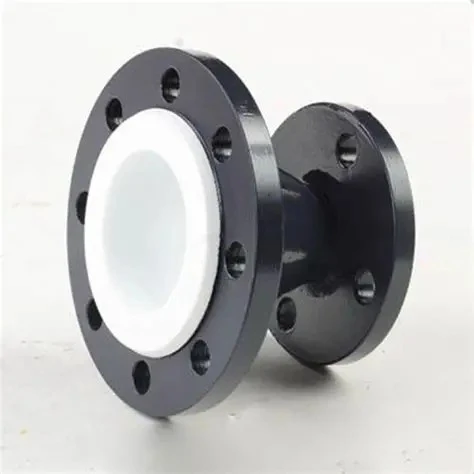
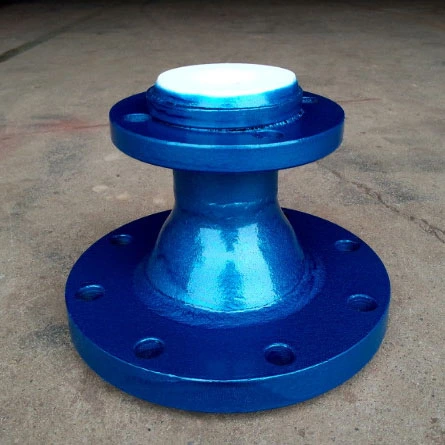
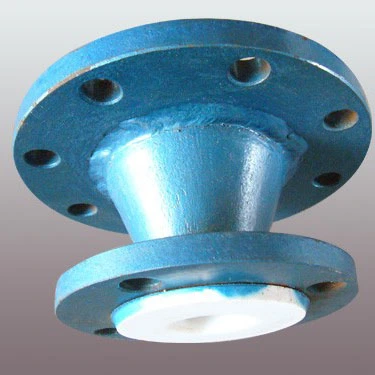
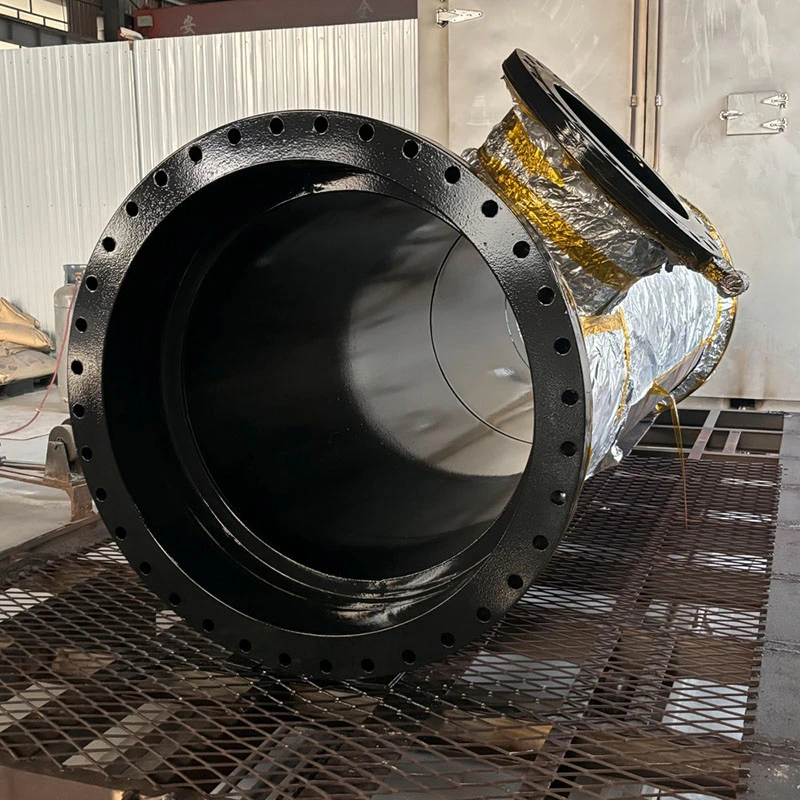
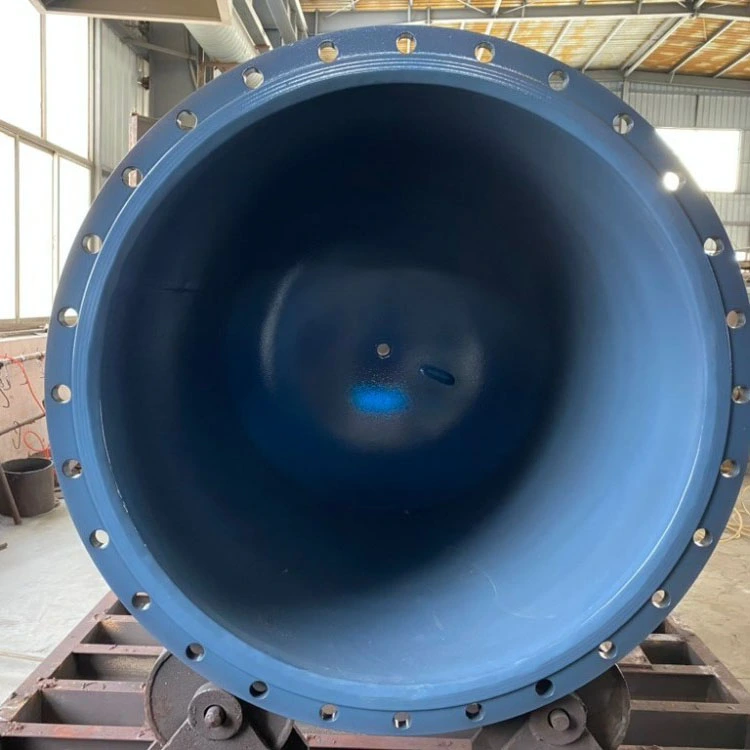
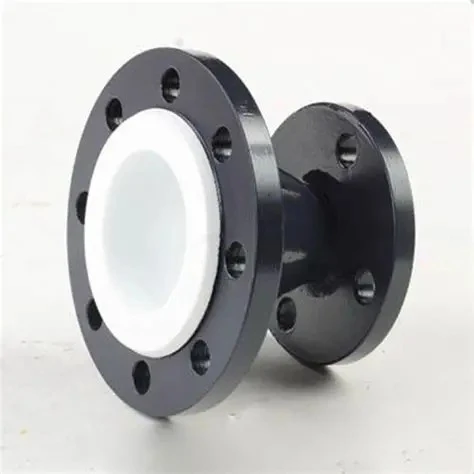
A PTFE Lined Pharmaceutical Pipe Reducer offered by Zhuoyan factory from China is a pipe fitting that connects two pipes of different diameters while maintaining a corrosion-resistant interior surface. The reducer consists of a carbon steel or stainless steel outer shell with a PTFE (polytetrafluoroethylene) liner bonded to the interior surface. This design combines the structural strength of steel with the chemical resistance of PTFE, making it suitable for handling corrosive fluids in pharmaceutical, chemical, and food processing applications.
| Specification | Parameter |
| Shell material | Carbon steel or stainless steel |
| Lining material | PTFE (polytetrafluoroethylene) |
| Connection | ANSI B16.5 Class 150 / Flanged, ANSI B16.5 Class 150 |
| Types | Concentric and eccentric reducers |
| Operating temperature | -200°C to +260°C |
| Suitable media | Acids, alkalis, organic solvents, high-purity chemicals |
A PTFE lined pharmaceutical pipe reducer is a specialized fitting used to transition between pipe sizes in processing systems where product purity and corrosion resistance are critical. It features a PTFE lining that isolates the process fluid from the metal pipe wall. This configuration is commonly used in pharmaceutical manufacturing, where maintaining product integrity and preventing metallic contamination is essential.
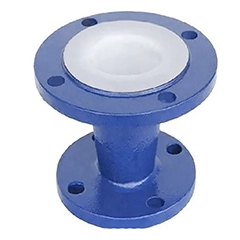
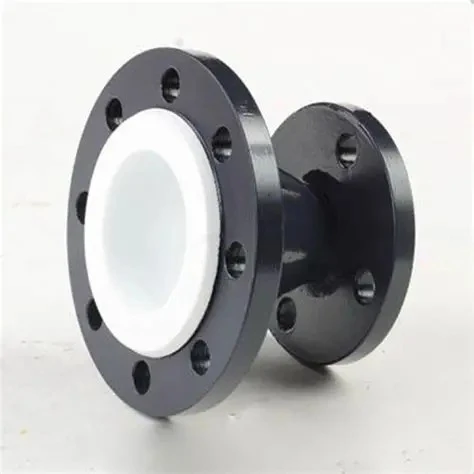
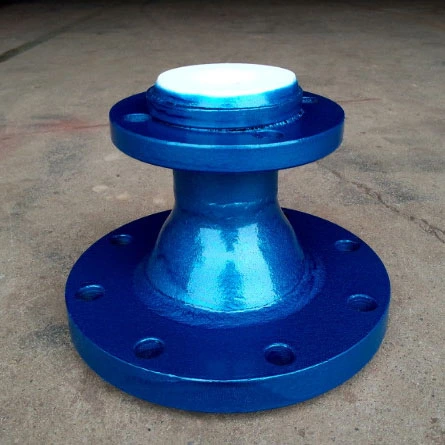
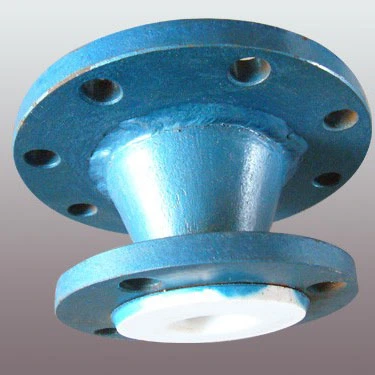
The PTFE Lined Pharmaceutical Pipe Reducer operates by providing a smooth, chemically inert flow path between pipes of different sizes. The PTFE liner is formed inside the steel shell through a molding or extrusion process, creating a seamless barrier that prevents the process media from contacting the metal surface. When installed in a piping system, the reducer allows fluid to flow from a larger diameter pipe into a smaller one (or vice versa) while maintaining a consistent, corrosion-protected interior surface. The flanged ends enable secure connections with gaskets to prevent leakage.
· Chemical resistance: The PTFE liner withstands exposure to a wide range of acids, alkalis, and organic solvents commonly used in pharmaceutical processing
· Contamination prevention: The inert PTFE surface prevents metal ion leaching and product contamination
· Temperature tolerance: Operates effectively from -180°C to +160°C, accommodating various process conditions
· Reduced maintenance: The smooth PTFE surface resists fouling and scale buildup, extending cleaning intervals
· Durable construction: The steel outer shell provides mechanical strength while the PTFE liner handles chemical exposure
· Inspect flange sealing surfaces for flatness and cleanliness before installation
· Use appropriate torque values and tighten flange bolts evenly
· Confirm reducer orientation matches flow direction when applicable
· Periodically check seal integrity at flange connections
· Avoid scratching or mechanically damaging the PTFE liner surface
· Do not operate beyond the design pressure rating
· Do not use outside the specified temperature range
· Avoid using incompatible gasket materials
Q1: What types of reducers are available?
A1: Both concentric reducers (for vertical transitions) and eccentric reducers (for horizontal piping with maintained bottom or top level) are available.
Q2: Can the PTFE lined reducer handle vacuum service?
A2: Yes, properly manufactured PTFE lined reducers with appropriate wall thickness can be used under vacuum conditions.
Q3: How do I select the correct reducer size?
A3: Select based on the inlet and outlet pipe diameters, operating pressure, temperature, and the media being conveyed. Consult the technical specification table for standard size combinations.
Q4: Is the PTFE liner replaceable?
A4: The PTFE liner is permanently bonded to the steel shell during manufacturing. The entire reducer unit should be replaced if the liner becomes damaged.
Address
80 Min’an Road, High-tech Zone, Zibo City, Shandong Province, China
Tel