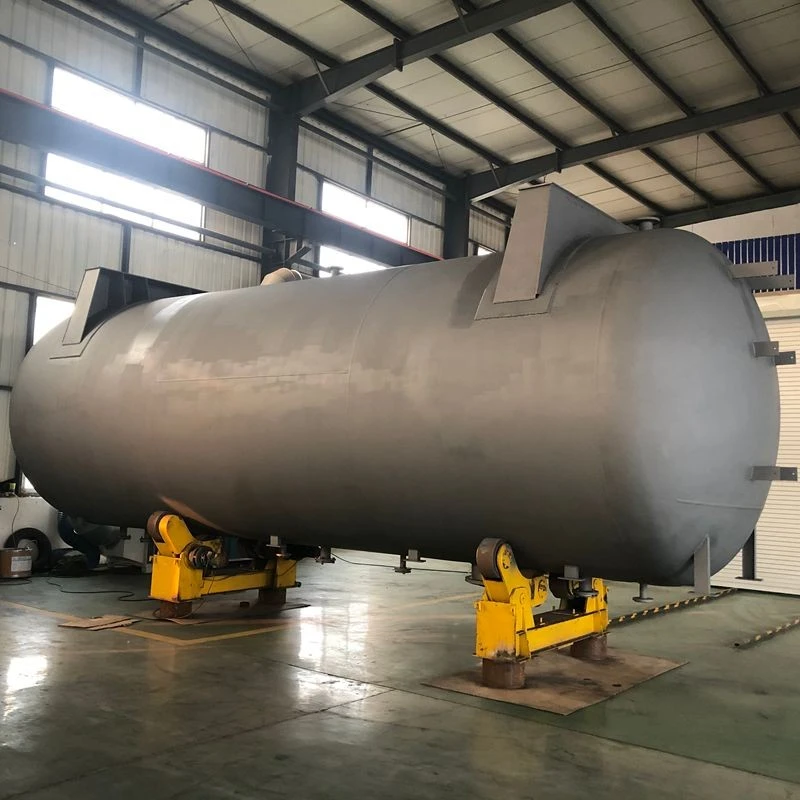
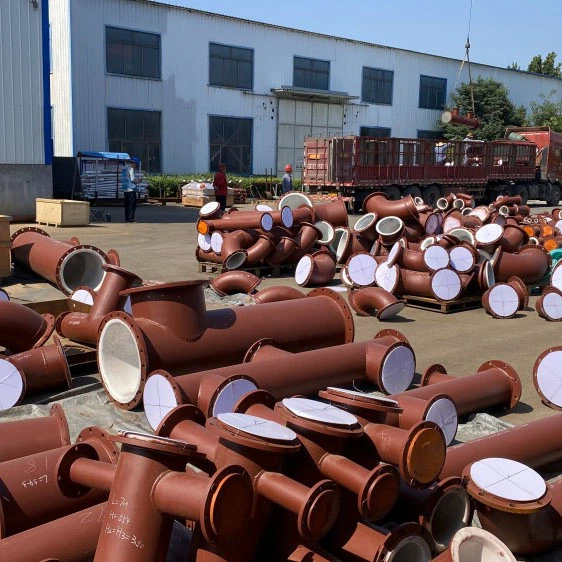
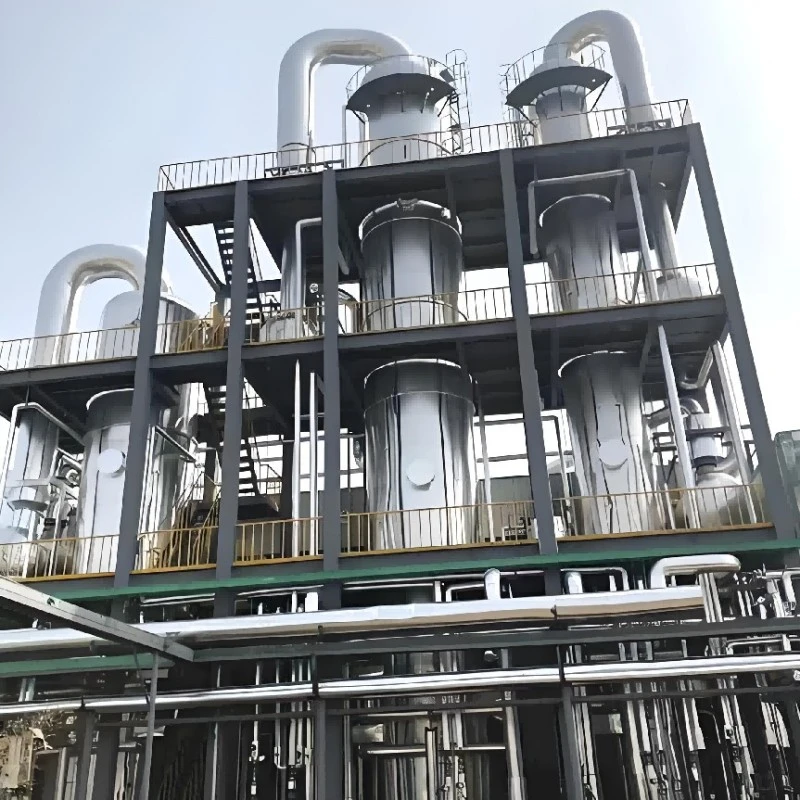
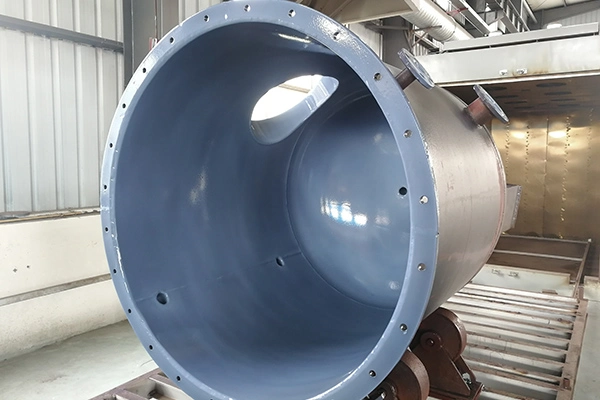
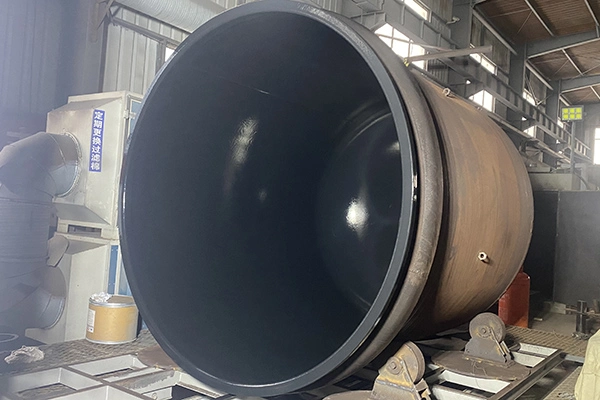
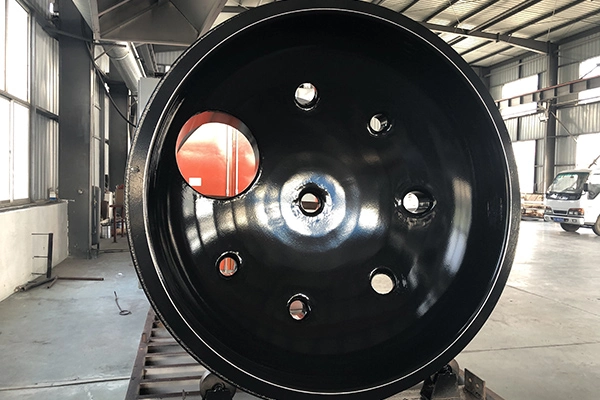
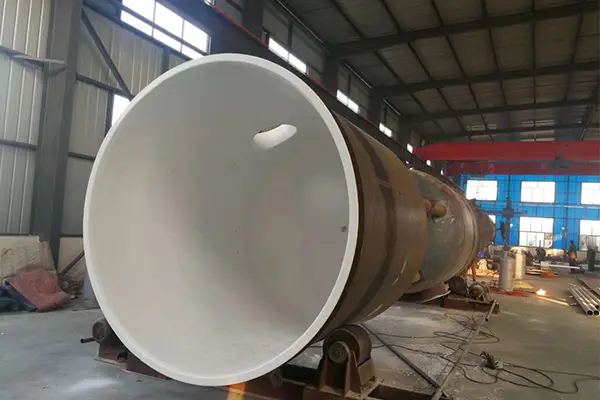
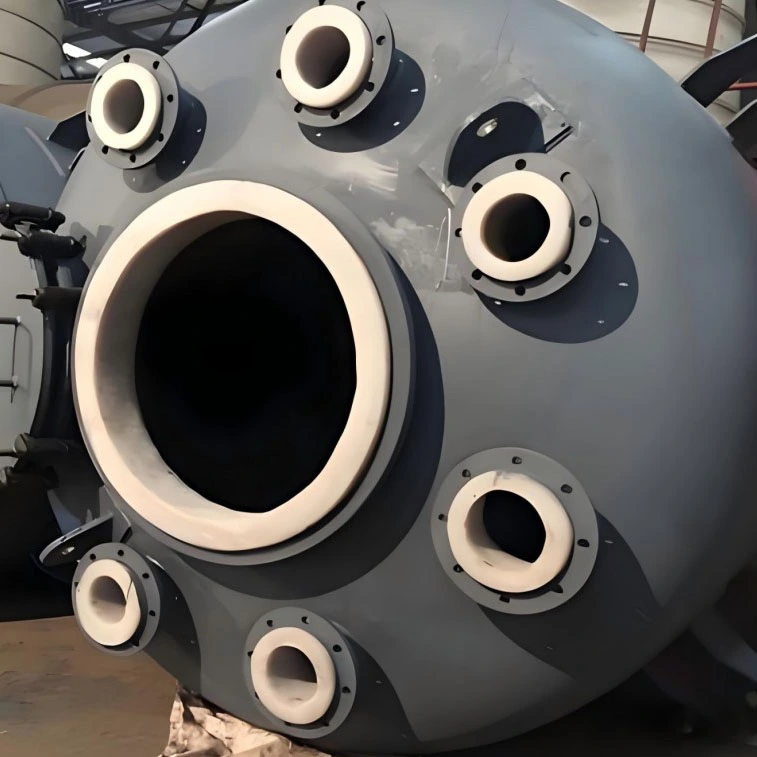
Our product range includes PTFE sheet-lined equipment, PTFE spraying and roller coating, plastic-lined equipment, PTFE-lined steel pipes and fittings, and related fluoropolymer components made from PTFE, PFA, ETFE, FEP and other advanced materials.
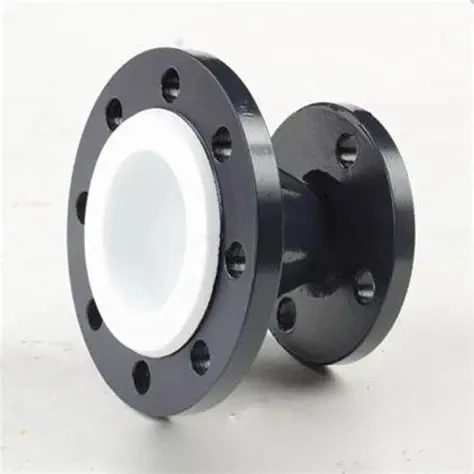
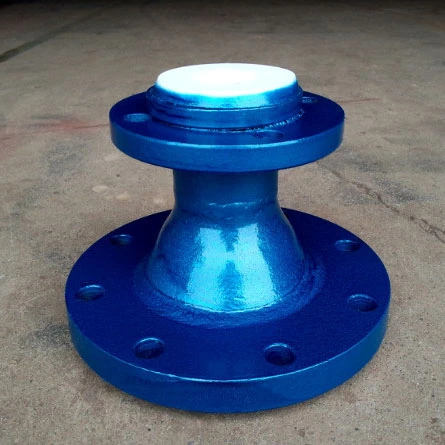
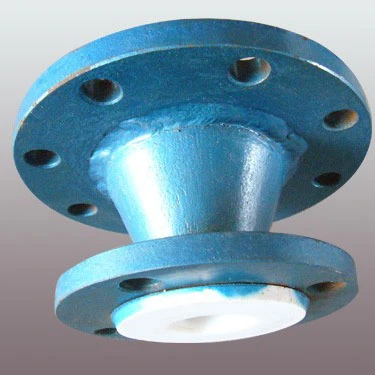
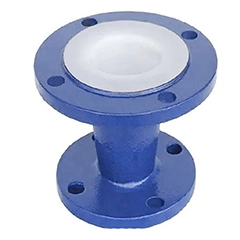
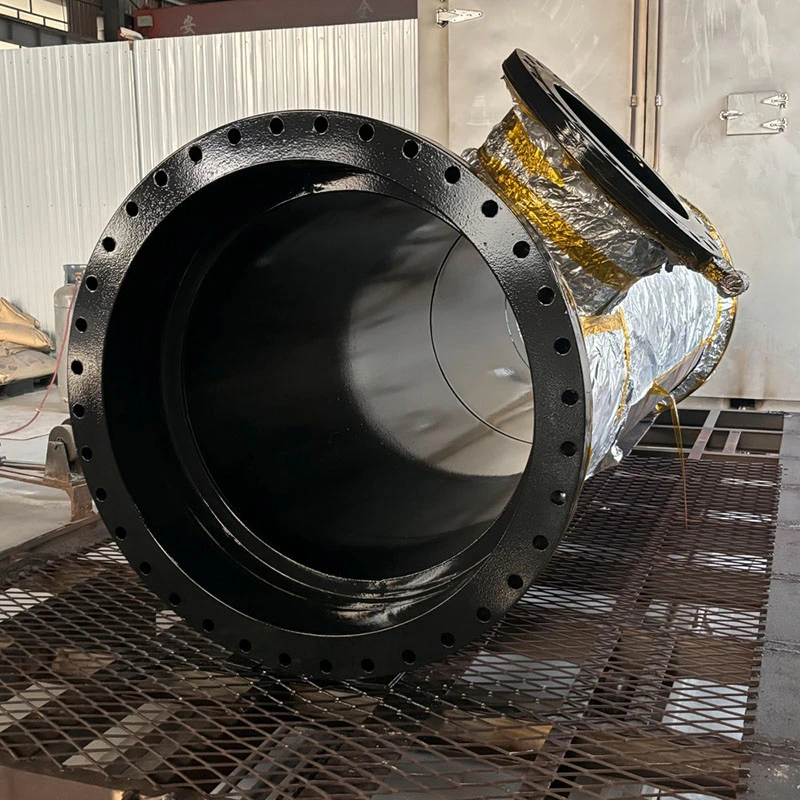
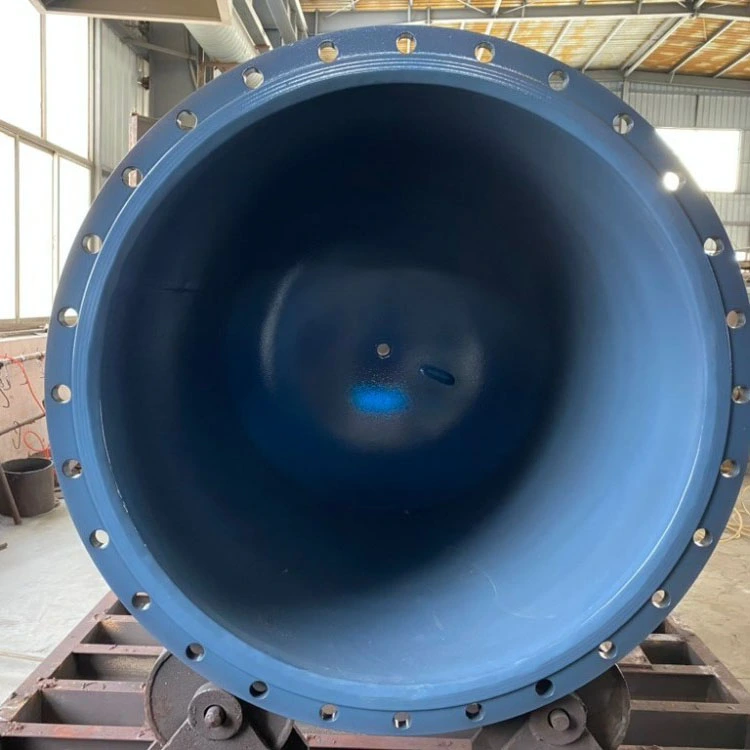
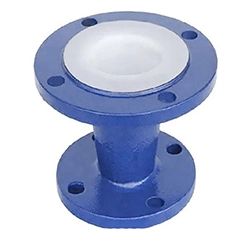
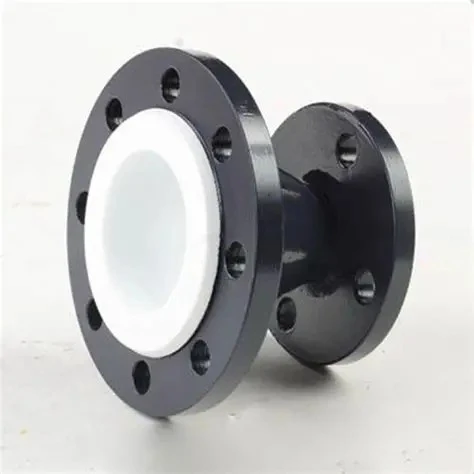
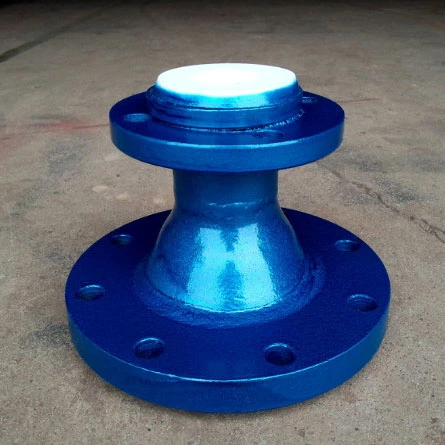
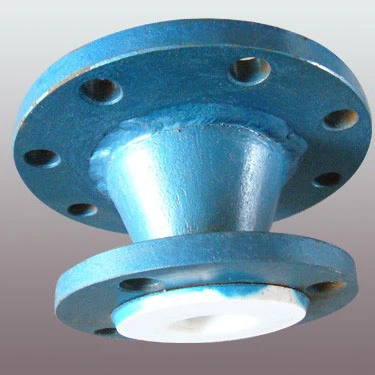
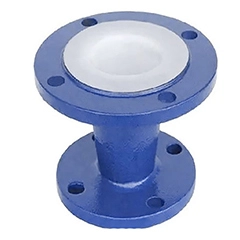
Zhuoyan PTFE lined chemical production pipeline reducer is a critical pipe fitting used to connect pipes of different diameters in chemical processing systems. The product combines a carbon steel or stainless steel outer shell with a dense PTFE liner, ensuring both mechanical strength and exceptional corrosion resistance. This reducer is widely applied in chemical, pharmaceutical, petrochemical, and chlor-alkali industries where aggressive acids, alkalis, and organic solvents are handled. Zhuoyan focuses on precision manufacturing to guarantee liner integrity and leak-proof performance.
A PTFE lined pipeline reducer is a tapered fitting that transitions flow from a larger bore pipe to a smaller bore pipe (or vice versa) in a piping system. The PTFE liner acts as a barrier between the metal shell and the corrosive process fluid, preventing chemical attack on the metal substrate. This design allows the reducer to handle high-temperature and high-pressure corrosive services while maintaining smooth flow characteristics and reducing turbulence.
| Parameter | Specification |
| Nominal Diameter Range | DN25 – DN600 (1" – 24") |
| Pressure Rating | PN10, PN16, PN25 (customizable) |
| Temperature Range | -180°C to +160°C (depending on liner material) |
| Liner Material | Virgin PTFE, modified PTFE, or PFA |
| Shell Material | Carbon steelor Stainless Steel |
| Connection Types | Flanged (DIN/ANSI/JIS), threaded, or weld-end |
| Liner Thickness | 3 – 6 mm (varies by size and pressure) |
| Standards Compliance | HG/T 21562, GB/T 26500, or customer-specified standards |
| Vacuum Resistance | Full vacuum service available with special liner design |
· Chemical inertness: PTFE liner resists common corrosive chemicals, including hydrochloric acid, sulfuric acid, nitric acid, and caustic soda, ensuring long-term stability.
· Smooth bore: The non-stick PTFE surface minimizes pressure drop, reduces scaling, and facilitates easy cleaning.
· Mechanical protection: The steel outer shell provides structural support against external loads and impact, while the liner remains chemically protected.
· Leak-proof design: Precision-machined flange faces and liner overlap ensure tight sealing at connection points.
· Customizable sizes: Zhuoyan offers reducers in various diameters, pressure ratings, and end connections to match existing pipeline systems.
· Long service life: Properly installed Zhuoyan reducers deliver stable operation over extended periods, reducing maintenance frequency and replacement costs.
· Chemical processing plants: Transport of acids, alkalis, salts, and organic solvents in reactors, distillation columns, and storage tanks.
· Petrochemical and refining: Corrosive media transfer in cracking units, desulfurization systems, and waste treatment lines.
· Metal finishing and plating: Acid pickling baths, etching solutions, and waste effluent handling.
· Power generation: Flue gas desulfurization (FGD) systems and cooling water circuits with aggressive additives.
1. Shell preparation: Steel pipes are cut, welded (if required), and machined to the specified reducer dimensions and flange faces.
2. Liner molding: PTFE powder is compressed and sintered into a preform, or PTFE sheet is wrapped and fused to form a uniform liner layer.
3. Liner insertion: The PTFE liner is inserted into the steel shell, with the liner flange face overlapping the steel flange face for sealing.
4. Flange facing: Flange faces are machined flat to ensure a smooth, even surface for gasket sealing.
5. Vacuum test: Each reducer undergoes a vacuum tightness test to detect any potential voids or delamination between liner and shell.
6. Hydrostatic pressure test: The assembled reducer is tested at 1.5× rated pressure for leakage and structural integrity.
7. Final inspection: Dimensional check, liner thickness measurement, and visual inspection before packaging.
· Temperature limits: Do not exceed the maximum continuous operating temperature of the PTFE liner to prevent softening or creep deformation.
· Pressure surges: Avoid sudden pressure spikes or water hammer effects, which may damage the liner or cause joint loosening.
· Chemical compatibility: Although PTFE is broadly resistant, always verify compatibility with specific process fluids, especially at elevated temperatures.
· Flange bolt tightening: Follow recommended torque sequences and values to ensure even gasket compression and avoid liner distortion.
· Handling and storage: Protect flange faces and liner surfaces from scratches and impacts during transportation and storage. Keep indoors and away from direct sunlight.
· Inspection before use: Check for any visible damage to the liner or flange faces prior to installation. Replace if any cracks or deformations are found.
Q1: Can this reducer handle hydrochloric acid at 150°C?
A1: Yes, PTFE is stable in hydrochloric acid up to 180°C. However, verify pressure conditions and consult Zhuoyan for specific service recommendations.
Q2: What is the standard lead time for custom sizes?
A2: Standard sizes are typically available within 10–20 working days. Custom diameters or special materials may require 25–30 working days, depending on order quantity.
Q3: Does Zhuoyan provide installation guides or videos?
A3: Yes, Zhuoyan provides instructions with every order. Remote video guidance can be provided if necessary.
Q4: Can I get a sample for testing before bulk order?
A4: Yes, sample orders are welcome. Please contact our sales team to discuss specifications, cost, and lead time for sample production.
Address
80 Min’an Road, High-tech Zone, Zibo City, Shandong Province, China
Tel