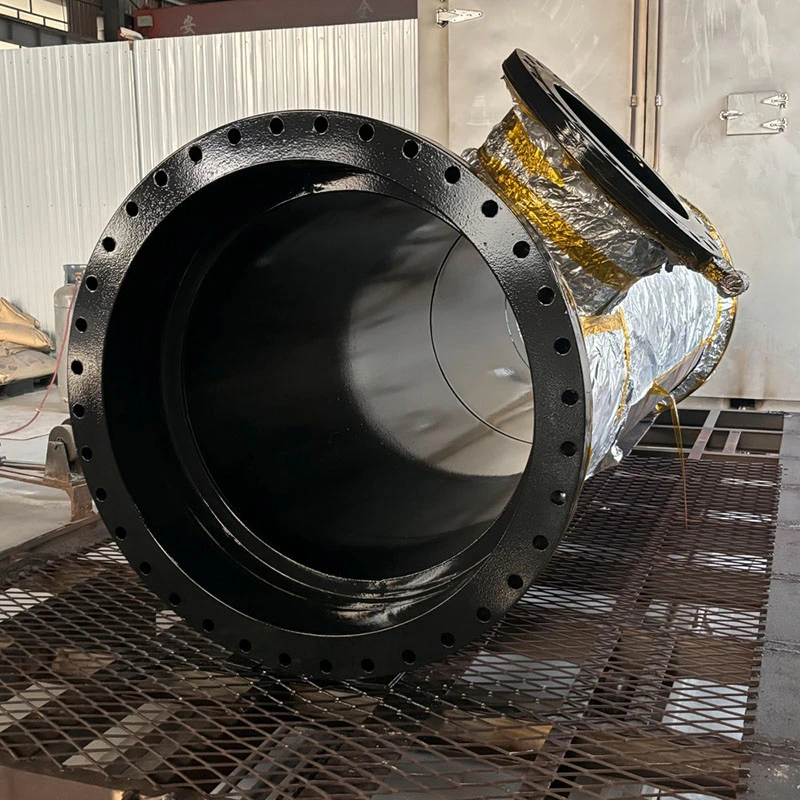
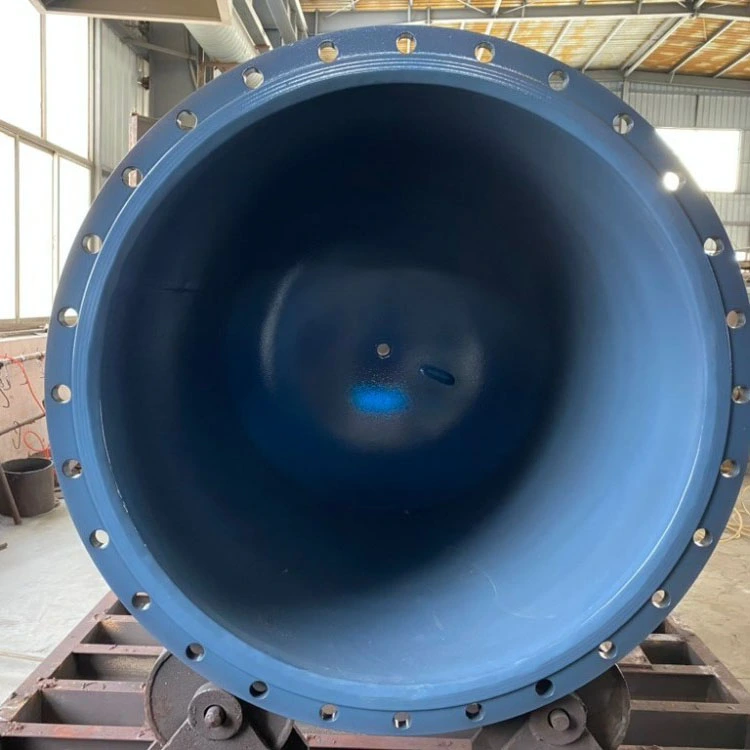
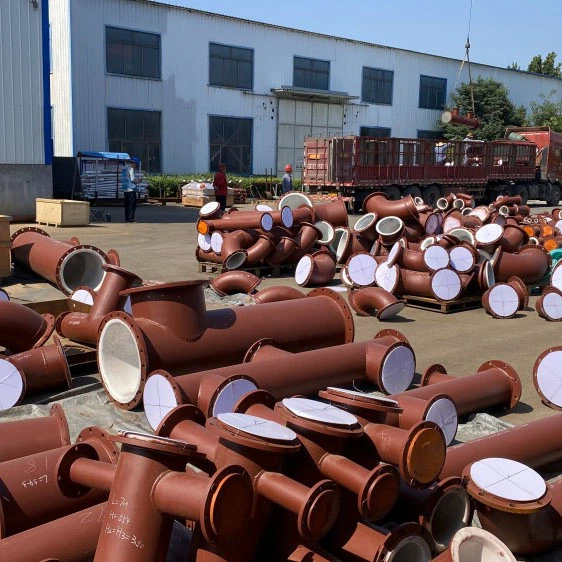
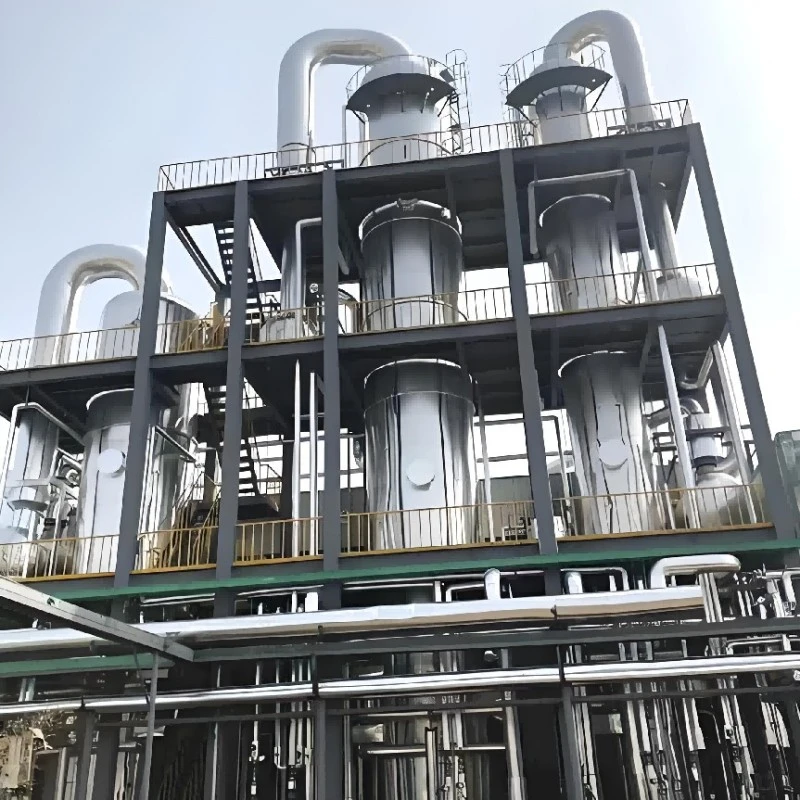
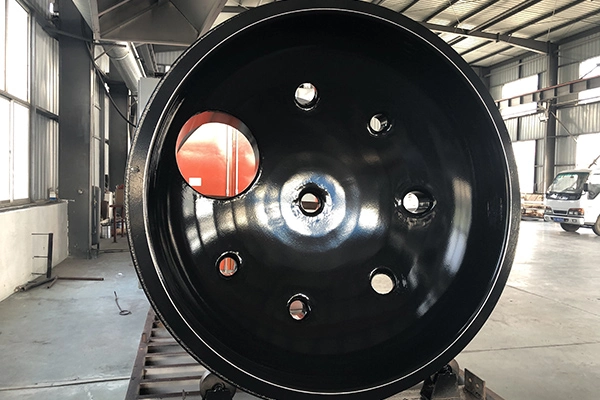
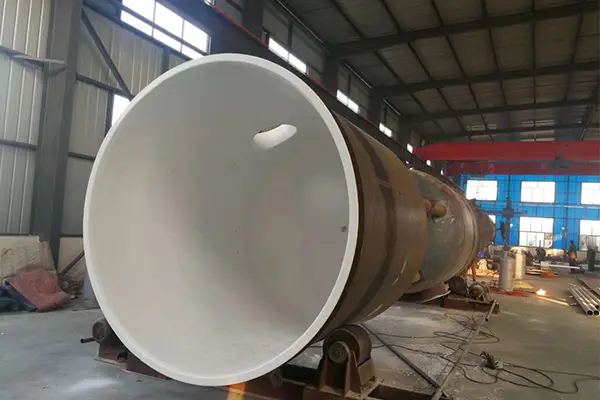
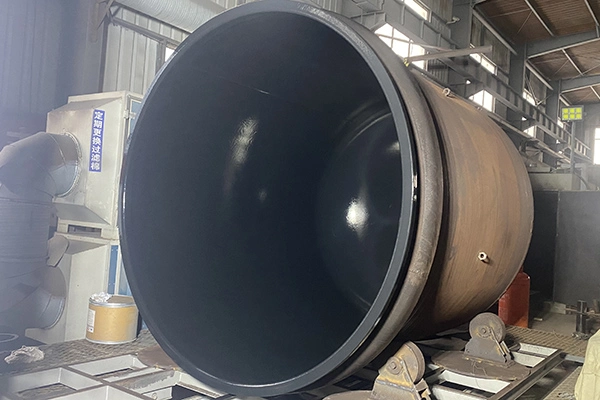
Our product range includes PTFE sheet-lined equipment, PTFE spraying and roller coating, plastic-lined equipment, PTFE-lined steel pipes and fittings, and related fluoropolymer components made from PTFE, PFA, ETFE, FEP and other advanced materials.
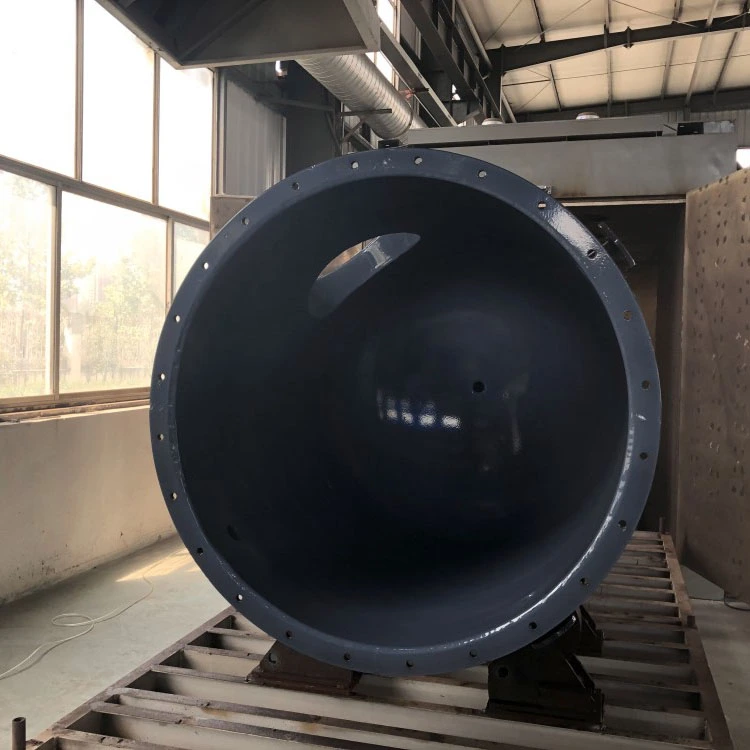
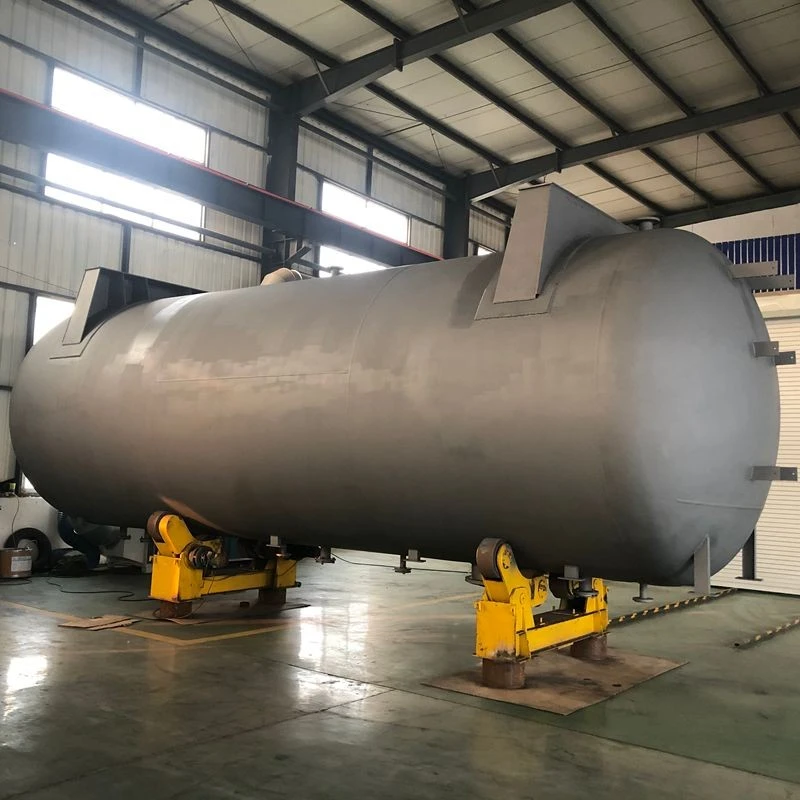
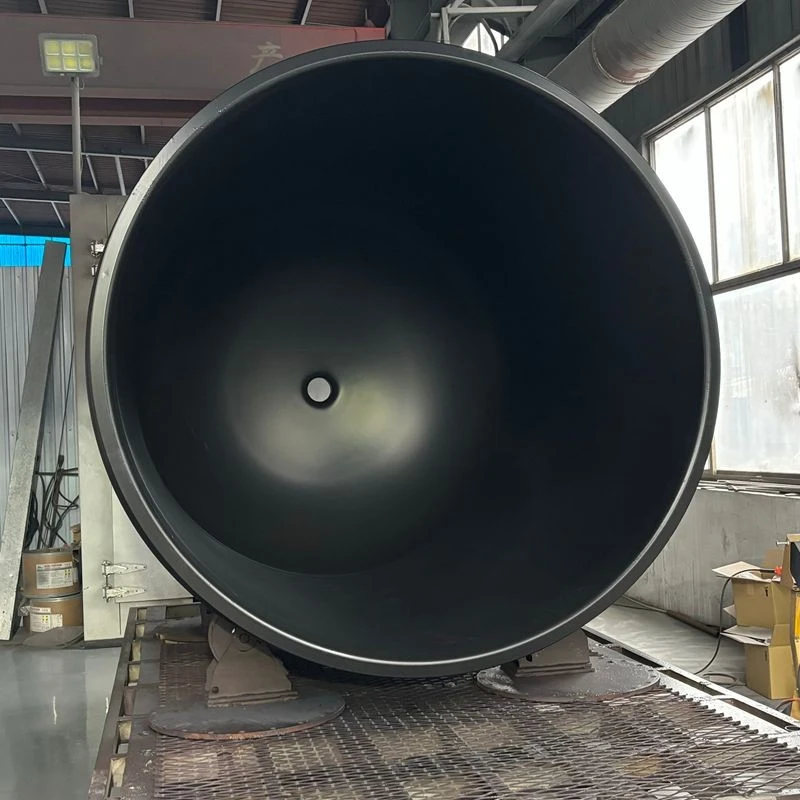
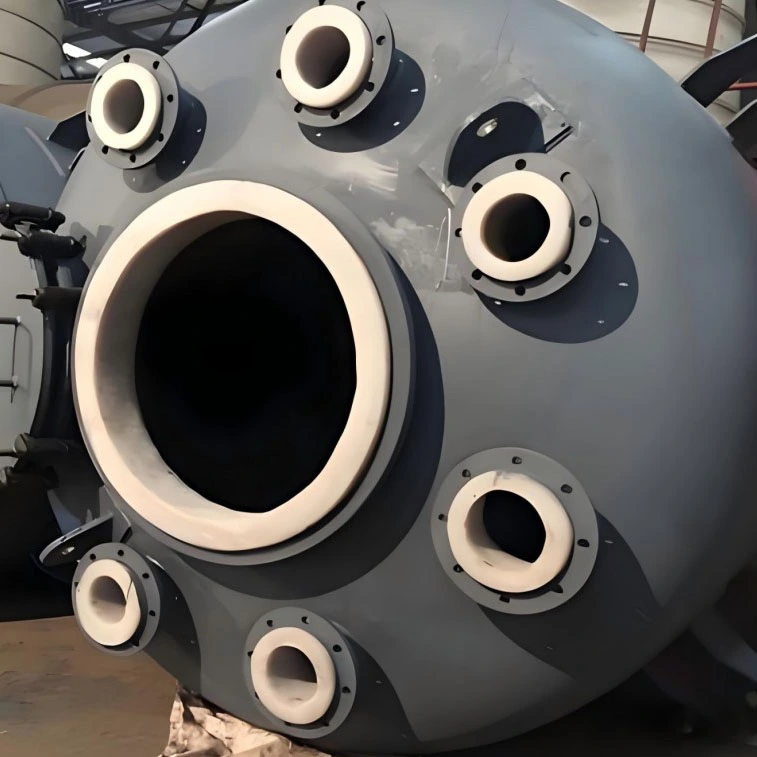
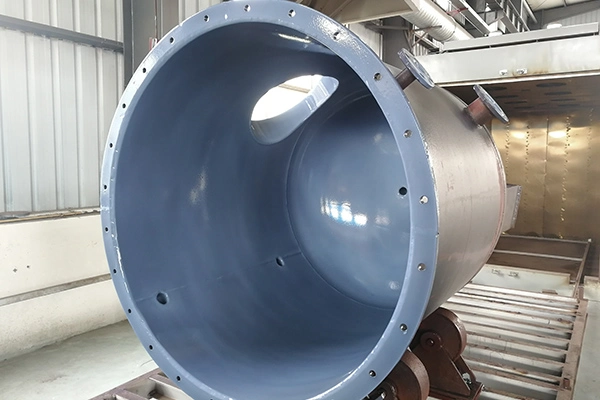
As a professional PFA Coated Storage Tanks manufacturer from China, Zhuoyan would like to provide you Large Capacity PFA Coated Chemical Storage Tanks, which are specifically designed for processes requiring the storage of corrosive or high-purity liquids. The product features a steel outer shell, with an inner PFA coating forming a protective barrier between the stored chemicals and the tank structure.
PFA was chosen as the lining material due to its chemical resistance and extremely low leaching content, allowing for the handling of corrosive chemicals while minimizing the risk of contamination. This makes PFA tanks particularly suitable for applications requiring the maintenance of product purity, such as semiconductor or pharmaceutical manufacturing.
The dual-layer structure—a metal outer shell providing mechanical strength and a PFA inner coating providing chemical protection—achieves a balance between durability and corrosion resistance, extending service life compared to unlined metal tanks.
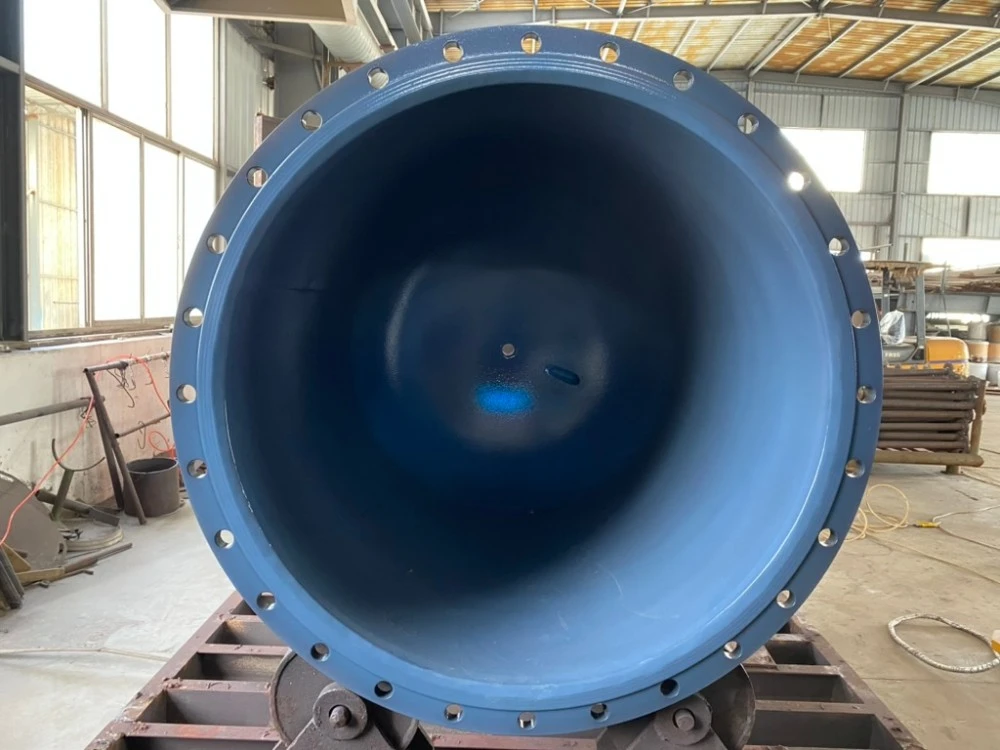
Chemical Resistance: PFA fluoropolymers are resistant to a wide range of chemicals, including acids, alkalis, solvents, and other corrosive media. This property protects the tank from corrosion and helps maintain the purity of stored products.
Low Leachings: PFA has extremely low leaching of metals and other contaminants, making PFA-coated tanks suitable for applications requiring high purity.
Temperature Range: PFA coatings maintain stable performance over a wide operating temperature range, with continuous use temperatures up to approximately 260°C.
Structural Integrity: Carbon steel or stainless steel shells provide mechanical strength to withstand internal pressure, vacuum conditions, and physical stresses during installation and operation.
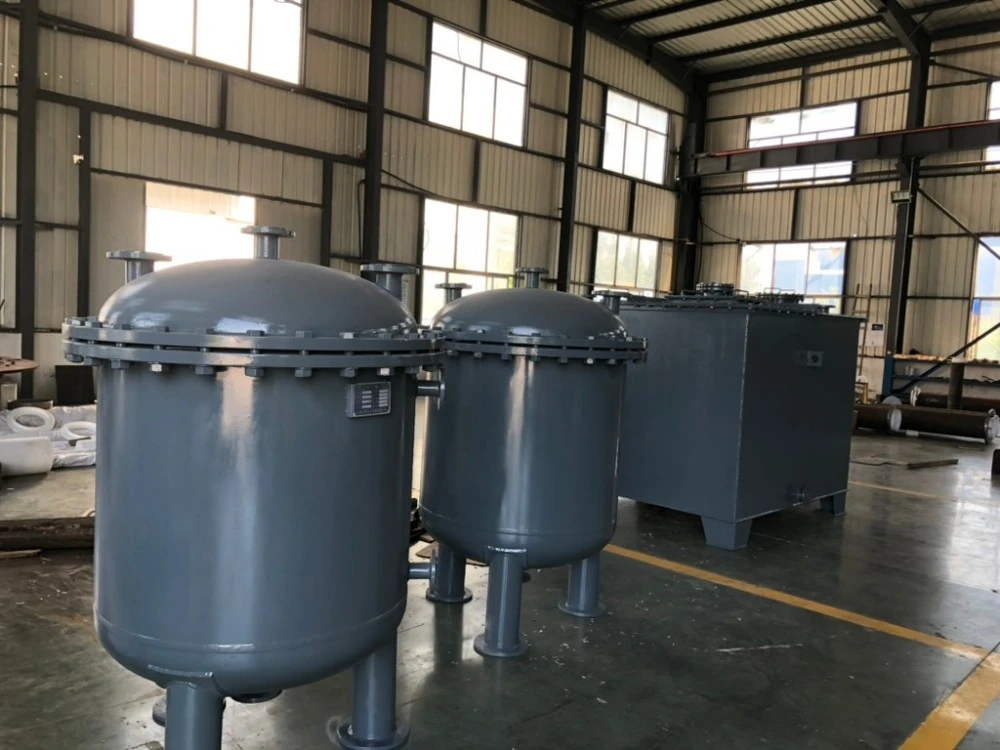
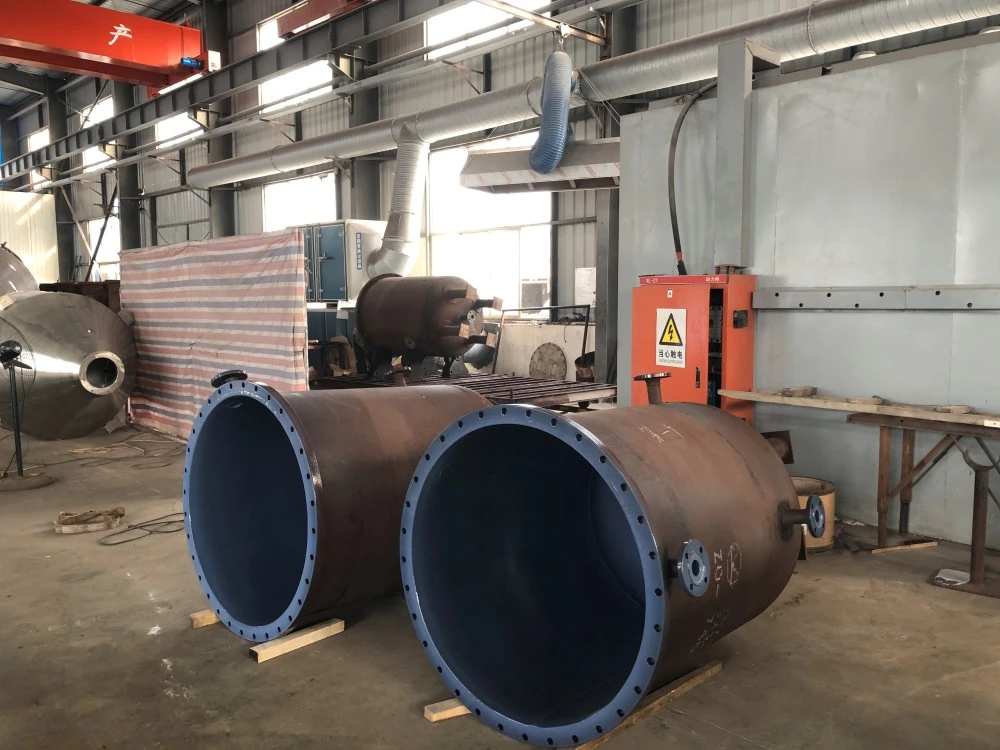
Customizable Capacities: Tank capacities range from small units to large storage containers, available in both vertical and horizontal configurations.
Smooth Inner Surface: PFA coatings provide a smooth, non-stick surface that resists product buildup and facilitates cleaning.
| Parameter | Specification |
| Shell Material | Carbon steel / Stainless steel / Custom |
| Lining Material | PFA (Perfluoroalkoxy) coating |
| Capacity Range | 0.5 m³ to 150 m³ (customizable) |
| Configuration | Vertical / Horizontal |
| Lining Thickness | 0.2 mm to 3.0 mm (customizable) |
| Operating Temperature | -80°C to 260°C |
| Pressure Range | Atmospheric to medium pressure; vacuum options available |
| Color | Translucent white / Milky white / Custom |
Selecting the appropriate Large Capacity PFA Coated Chemical Storage Tank requires consideration of several factors:
1. Chemical Compatibility: Verify that PFA is compatible with the intended stored chemicals. While PFA resists most chemicals, certain conditions (such as high-temperature molten alkali metals or fluorine compounds at elevated temperatures) may affect performance .
2. Operating Temperature and Pressure: Consider both continuous operating temperatures and potential temperature excursions. For vacuum service, specify appropriate design features as PFA linings may require vacuum support systems to prevent deformation .
3. Capacity and Space Constraints: Determine required storage volume based on production rates, batch sizes, and available floor space. Both vertical and horizontal configurations are available to accommodate different facility layouts.
4. Purity Requirements: For semiconductor, pharmaceutical, or food-grade applications, specify high-purity grade PFA with low leachable content to minimize contamination risk .
5. Accessory Requirements: Consider required fittings, nozzles, manways, instrumentation ports, and connections. PFA fittings can be directly welded to the tank for secure connections .
Large Capacity PFA Coated Chemical Storage Tanks are utilized across industries requiring corrosion-resistant, high-purity chemical containment:
· Chemical Processing Industry: Storage of acids, bases, solvents, and other corrosive chemicals; use in HCl absorption, HF handling, and H₂SO₄ dilution processes
· Semiconductor Manufacturing: Ultra-high-purity chemical storage for H₂SO₄, H₂O₂, HNO₃, NH₃, and HF used in wafer fabrication
· Pharmaceutical Production: Storage of intermediates, solvents, and purified water where contamination control is critical
· Petrochemical Industry: Corrosion-resistant storage for various hydrocarbon processing chemicals
· Water Treatment: Storage of treatment chemicals including acids, alkalis, and oxidizing agents
· Metal Finishing and Plating: Storage of plating baths, etchants, and related chemicals
· Handle with care during transport and installation to prevent mechanical damage to the PFA coating
· Avoid welding, cutting, or heavy impact near the coated tank surface
· Ensure proper support and leveling of the tank during installation
· Verify chemical compatibility before first use and when changing stored products
· Avoid operating continuously at the extreme upper temperature limits without verifying PFA grade specifications
· For vacuum service, confirm that the tank design includes appropriate vacuum support features
· Avoid introducing abrasive materials or slurries that may scratch the PFA coating
· Regularly inspect the coating surface for scratches, impacts, or wear, particularly around flanges and access points where equipment may be inserted
· Conduct periodic electrical spark testing to detect pinholes or coating defects
· Use non-abrasive cleaning tools such as plastic scrapers, rubber squeegees, or high-pressure water/steam
· Avoid steel brushes, metal scrapers, or abrasive pads that can damage the PFA surface
· Solvent cleaning is generally acceptable; verify compatibility with PFA beforehand
1. Periodic Inspection: Conduct visual inspections of the coating surface and check for any signs of damage, discoloration, or wear. Perform electrical spark testing at scheduled intervals .
2. Cleaning Protocol: Clean the tank interior after each product change or according to schedule using approved non-abrasive methods. Remove product buildup before it becomes excessive .
3. Record Keeping: Maintain maintenance logs documenting each inspection, cleaning, and any repairs performed, along with the date and personnel responsible .
Storage During Idle Periods
1. Thorough Cleaning: Completely drain and clean the tank before extended idle periods. Rinse with compatible solvents or water as appropriate, and ensure the tank is dry before sealing .
2. Coating Protection: Apply a protective coating to the PFA surface if long-term storage is anticipated. Seal all openings with waterproof covers .
3. Environmental Control: For outdoor storage, provide shade to prevent UV degradation. Maintain storage temperatures between 0°C and 40°C when possible .
4. Routine Checks: If stored for more than one year, perform a complete re-inspection before returning to service .
Minor coating damage may be repaired using compatible PFA repair compounds. Significant damage should be evaluated by qualified technical personnel to determine whether in-situ repair or recoating is required.
A1: PFA resists almost all chemicals under normal operating conditions. However, certain substances such as molten alkali metals and elemental fluorine at elevated temperatures can affect PFA performance. Always verify compatibility for specific chemical applications .
A2: Yes, when specified with appropriate grade PFA materials that meet relevant regulatory requirements for food contact or pharmaceutical use. The low leachable content of PFA makes it suitable for these applications.
A3: Continuous operating temperature is up to 260°C, with short-term excursions possibly reaching higher temperatures depending on the specific PFA grade . Verify with the manufacturer for your specific application.
A4: PFA coating is typically applied using electrostatic powder spraying or liquid spray methods, followed by a sintering process at approximately 380°C to achieve proper bonding .
A5: Service life varies depending on operating conditions and maintenance practices. With proper maintenance, these tanks can provide many years of reliable service. Regular inspection and timely maintenance of minor damage help maximize service life.
A6: Minor damage can be repaired using compatible repair materials. Significant damage may require recoating or replacement. Consult with the manufacturer for repair recommendations.
Address
80 Min’an Road, High-tech Zone, Zibo City, Shandong Province, China
Tel