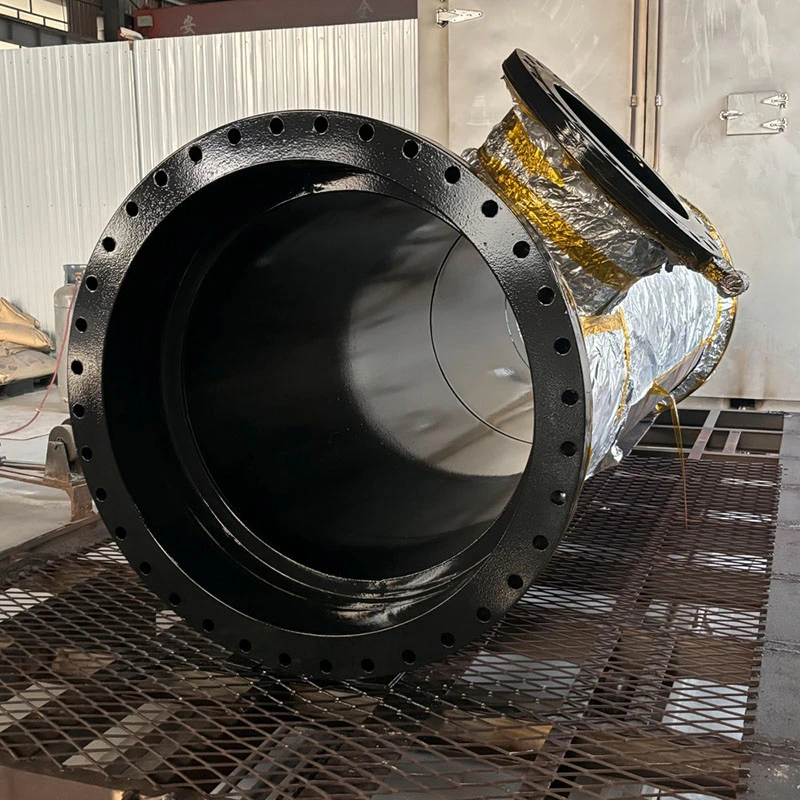
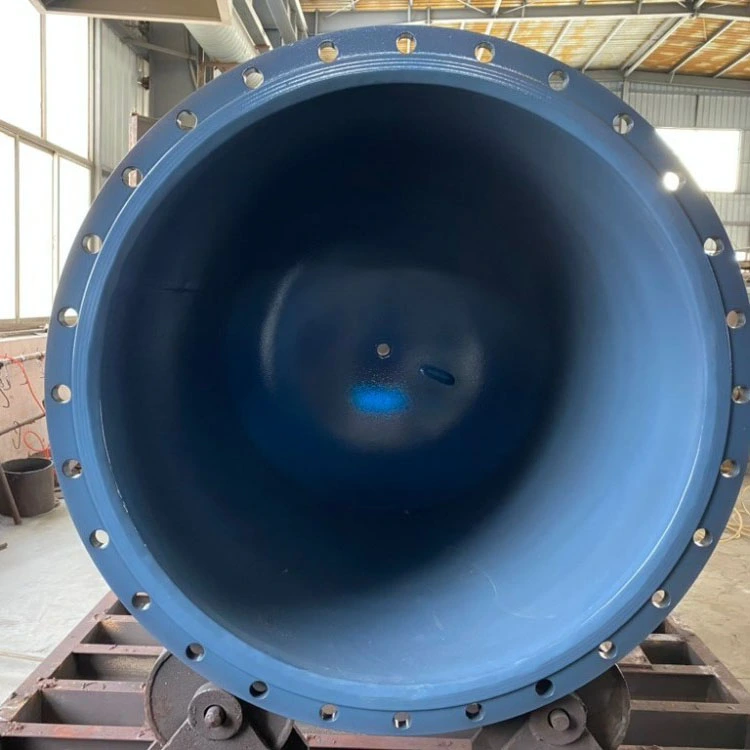
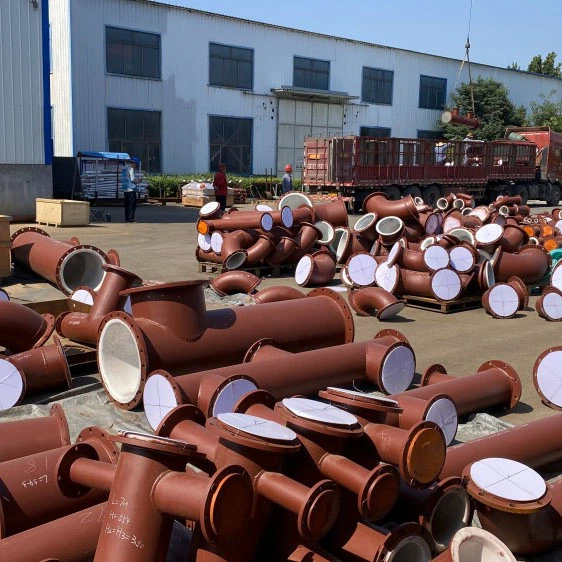
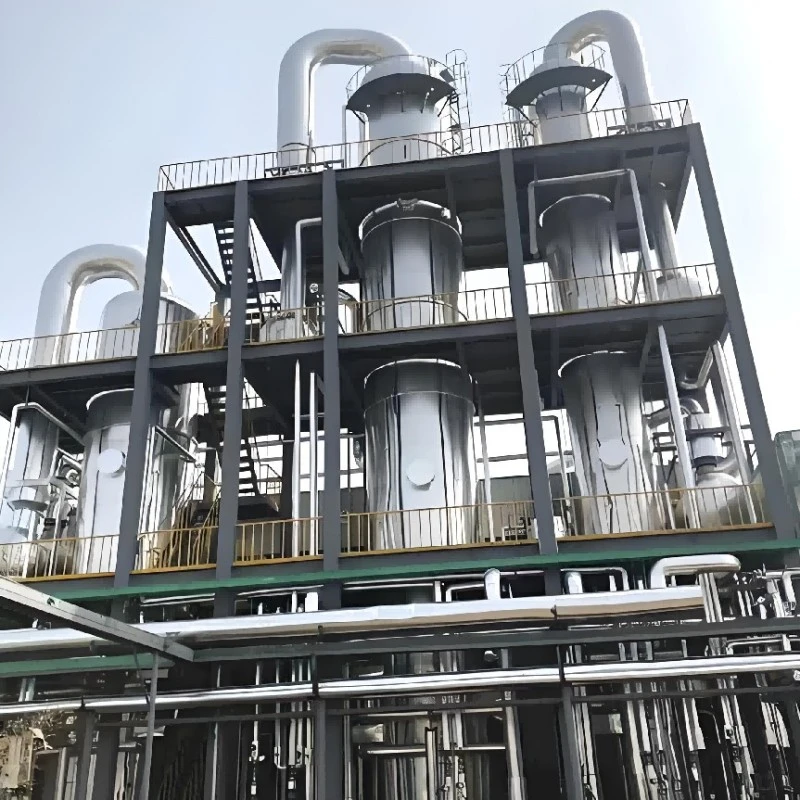
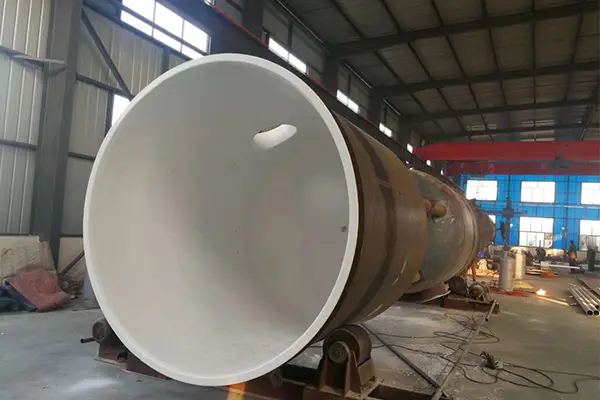
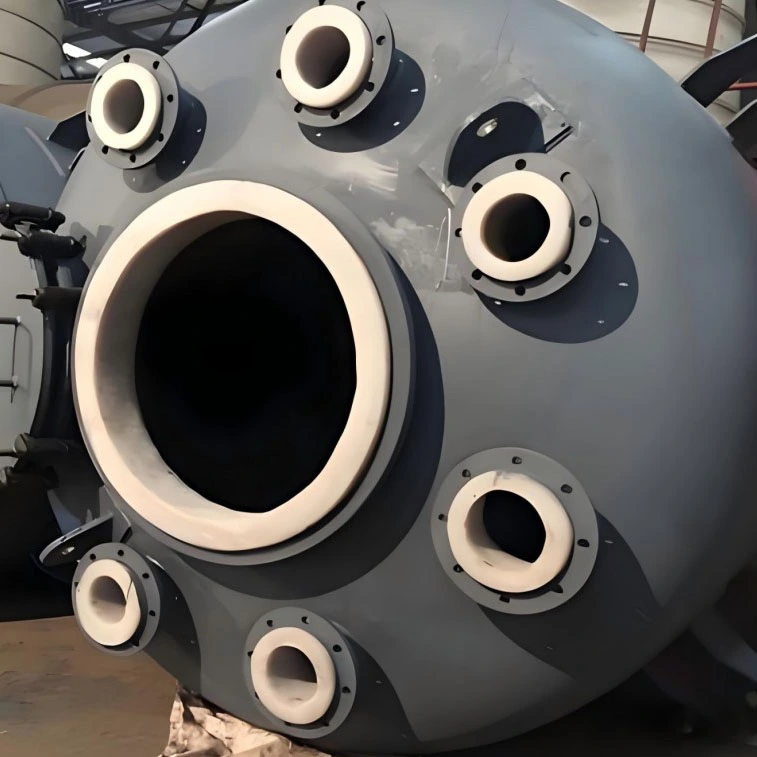
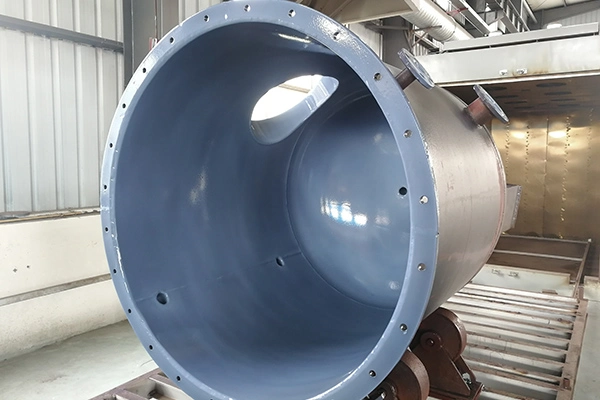
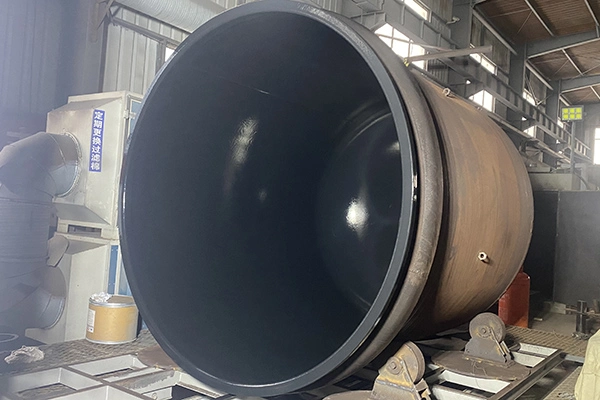
Our product range includes PTFE sheet-lined equipment, PTFE spraying and roller coating, plastic-lined equipment, PTFE-lined steel pipes and fittings, and related fluoropolymer components made from PTFE, PFA, ETFE, FEP and other advanced materials.
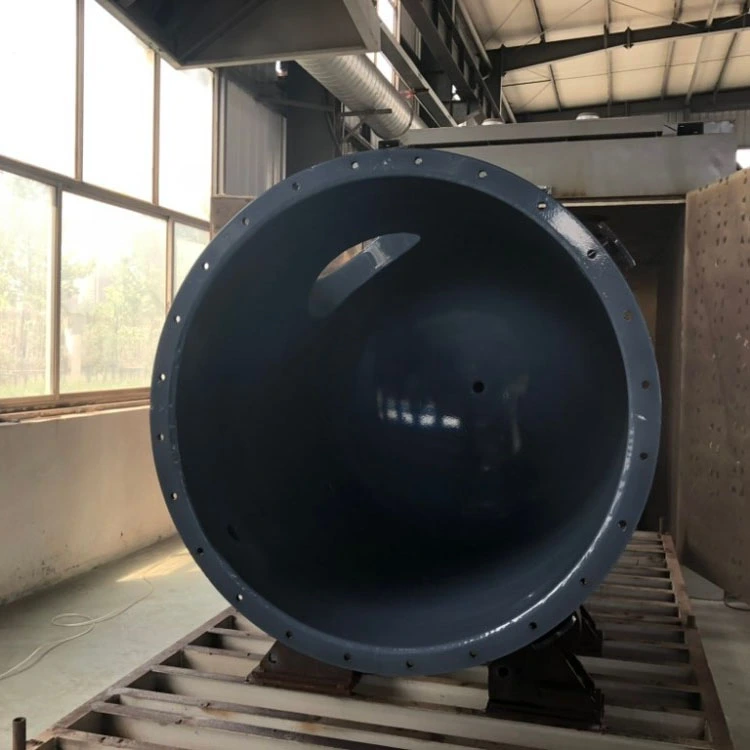
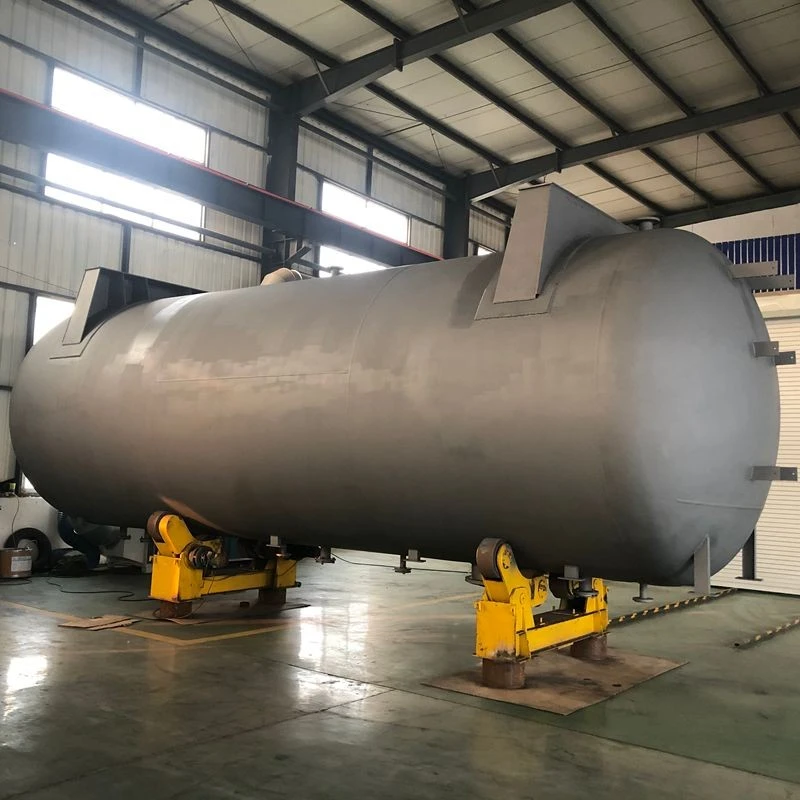
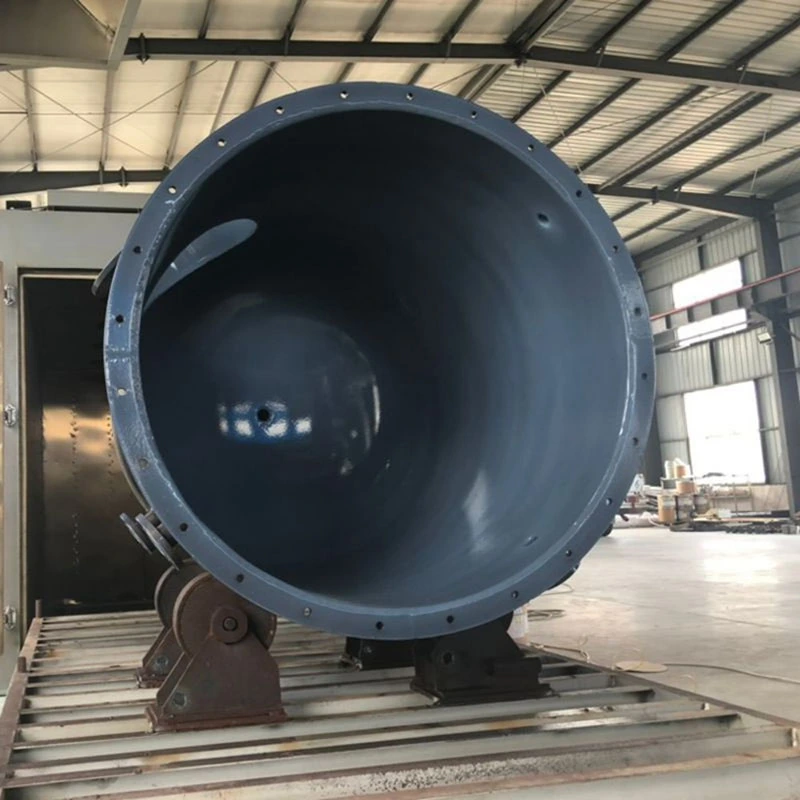
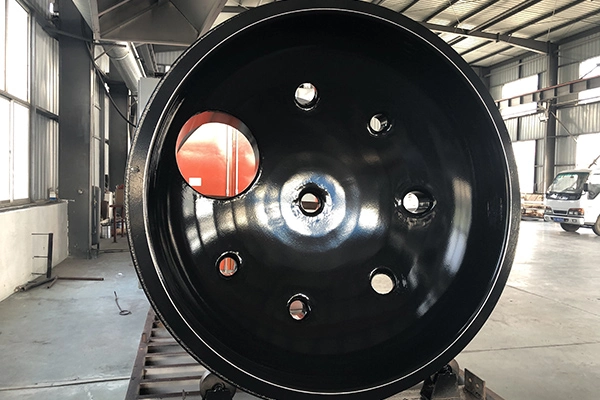
PFA (perfluoroalkoxy) coated industrial chemical mixing tanks are specialized containers designed for handling corrosive chemicals in production environments. Carbon steel is one of the most commonly used materials for chemical reactors. The PFA coating is sprayed onto the internal surfaces of the tank—including the tank body, lid, and agitator components—forming a protective layer that isolates the metal substrate from corrosive materials.
PFA is a melt-processable fluoropolymer that combines the chemical resistance of PTFE with superior processing characteristics. Compared to the stress cracking and blistering problems that can occur with traditional PTFE linings, the PFA coating prepared using a spraying process forms a seamless, pinhole-free, dense film with strong adhesion to the metal substrate. This coating solution effectively solves the problems of lining peeling, penetration, and failure under vacuum or thermal cycling conditions.
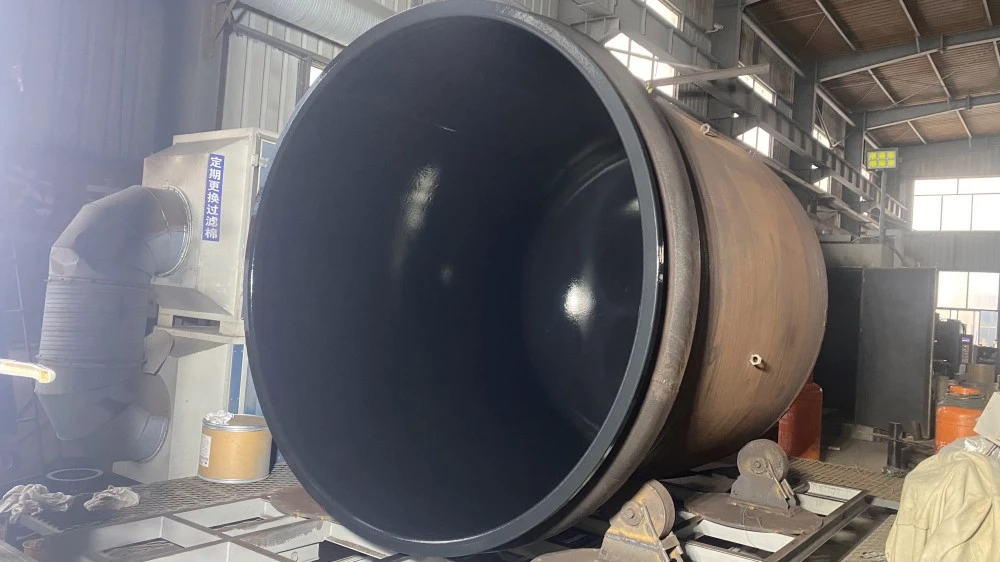
The PFA coating application process follows a systematic procedure to ensure coating quality and performance:
1.Surface Preparation : The tank metal surface is sand-blasted to achieve the specified cleanliness and roughness level. This step is essential for coating adhesion .
2.Primer Application : A primer layer is applied to promote bonding between the PFA topcoat and the metal substrate.
3.PFA Coating Application : Multiple layers of PFA powder or liquid are applied via electrostatic spraying or liquid spraying techniques. Imported raw materials from suppliers such as AGC, DAIKIN, DuPont, and Solvay are used .
4.Sintering : Each coating layer is heat-cured at high temperatures to form a dense, continuous film.
5. Inspection: The finished coating undergoes quality checks including:
High-voltage spark testing to detect pinholes or defects
Coating thickness measurement using German coating thickness gauges
Adhesion testing to verify bond strength
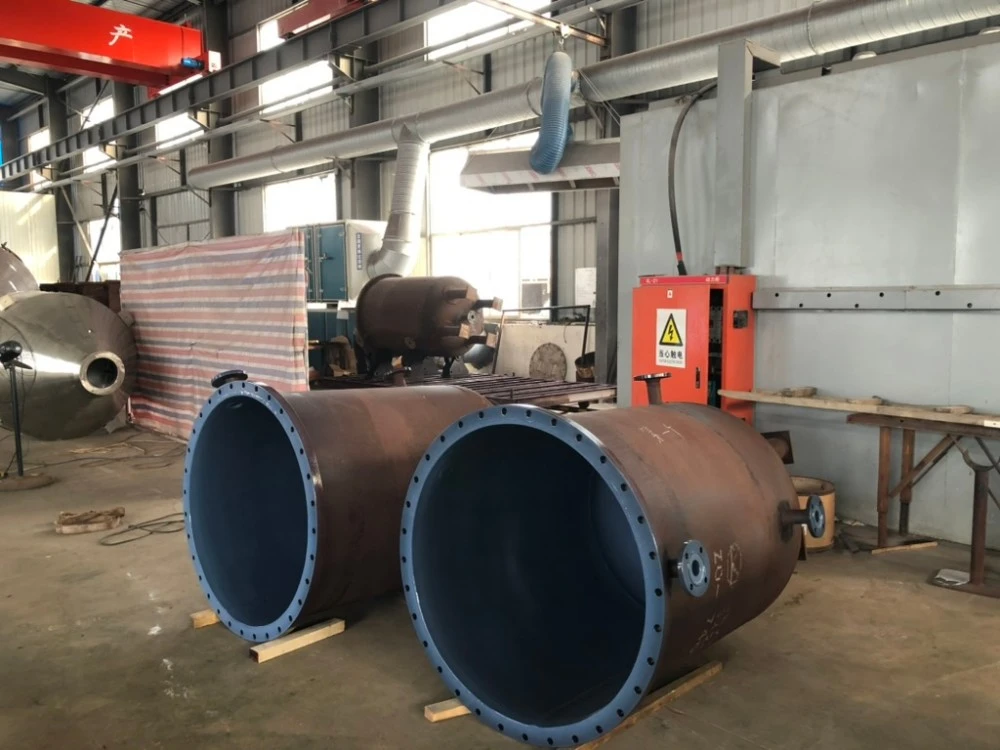
1. Corrosion Resistance
PFA coatings offer broad chemical resistance, protecting equipment from strong acids, alkalis, and organic solvents across a wide pH range.
2. Non-Stick Surface
The PFA coating has low surface energy and a low coefficient of friction, which prevents material adhesion and buildup on tank walls. This reduces cleaning requirements and minimizes material waste .
3. Temperature Resistance
PFA-coated tanks can operate continuously at temperatures up to approximately 260°C, with short-term exposure up to 300°C possible . This enables use in high-temperature reaction processes.
4. Seamless Protection
Unlike sheet-lined tanks that have welded seams, spray-applied PFA coatings form a seamless, pinhole-free barrier that reduces permeation risks .
5. Vacuum Service Capability
PFA spray coatings demonstrate strong adhesion that resists detachment under vacuum conditions.
6. Adaptability to Complex Geometries
Spray coating can be applied to complex internal shapes including agitators, baffles, and flanges, providing complete protection for all wetted parts .
The PFA coated mixing tank operates by combining mechanical agitation with corrosion-resistant surface protection. The agitator – available in paddle, frame, or anchor configurations – rotates to blend materials inside the tank, achieving uniform mixing of chemical components . The PFA coating on both the tank interior and agitator surfaces ensures that corrosive media come into contact only with the fluoropolymer layer, rather than the metal substrate. This design protects the structural integrity of the tank while enabling efficient mixing of aggressive chemical formulations .
The coating system may be applied to both the tank body and cover, with separate coating application facilitated by a non-integrated design that allows easier processing and maintenance access .
Common Mistakes:
1.Exceeding Temperature Limits : Operating the tank above the recommended continuous use temperature (260°C) may accelerate coating degradation and reduce service life .
2.Mechanical Damage During Cleaning : Using metal scrapers or abrasive tools to clean the coated surface can scratch or penetrate the PFA layer, compromising its protective function.
3.Rapid Thermal Cycling : Subjecting the tank to sudden temperature changes may cause differential expansion between the coating and metal substrate, potentially leading to cracking or detachment .
4.Ignoring Pinhole Detection : Operating the tank without proper pinhole testing after coating application risks undetected coating defects that could lead to localized corrosion .
1.Monitor Operating Temperatures : Maintain process temperatures within the specified range (typically -80°C to 260°C for standard applications).
2.Use Soft Cleaning Methods : Clean coated surfaces using soft brushes, cloths, or low-pressure water rinsing. Avoid metal tools that could scratch the coating.
3.Gradual Temperature Changes : When heating up or cooling down the tank, implement gradual temperature transitions to minimize thermal stress on the coating system.
4.Regular Inspection : Conduct periodic visual inspections and spark testing as part of preventive maintenance to detect and address any coating damage early.
· The tank is securely packaged with protective padding to prevent damage during transit
· All openings (flanges, manholes, connections) are covered with protective caps or covers
· The coated surface is shielded from impact and abrasive contact
· Export packaging is available for international shipping requirements
· Standard shipping methods include sea freight, air freight, or land transport
A1: Both PFA and PTFE offer excellent chemical resistance. PFA is melt-processable, allowing it to be applied via spraying to form a pinhole-free, smooth coating with strong adhesion. PTFE is typically applied through sheet lining methods. PFA coatings generally provide better permeation resistance for demanding applications .
A2: PFA coatings can operate continuously at temperatures up to approximately 260°C, with short-term exposure up to 300°C possible . The actual operating temperature should be confirmed based on the specific PFA grade and process conditions.
A3: Coating quality is verified through high-voltage spark testing to detect pinholes, coating thickness measurement, and adhesion testing. These inspections ensure the coating is continuous and properly bonded to the substrate .
A4: Yes, PFA spray coatings demonstrate strong adhesion that resists detachment under vacuum conditions, unlike some loose linings .
A5: Tanks can be manufactured in various capacities, typically ranging from small pilot-scale units to large production vessels, with capacity options available from 50L to 50,000L or customized to specific requirements.
Address
80 Min’an Road, High-tech Zone, Zibo City, Shandong Province, China
Tel