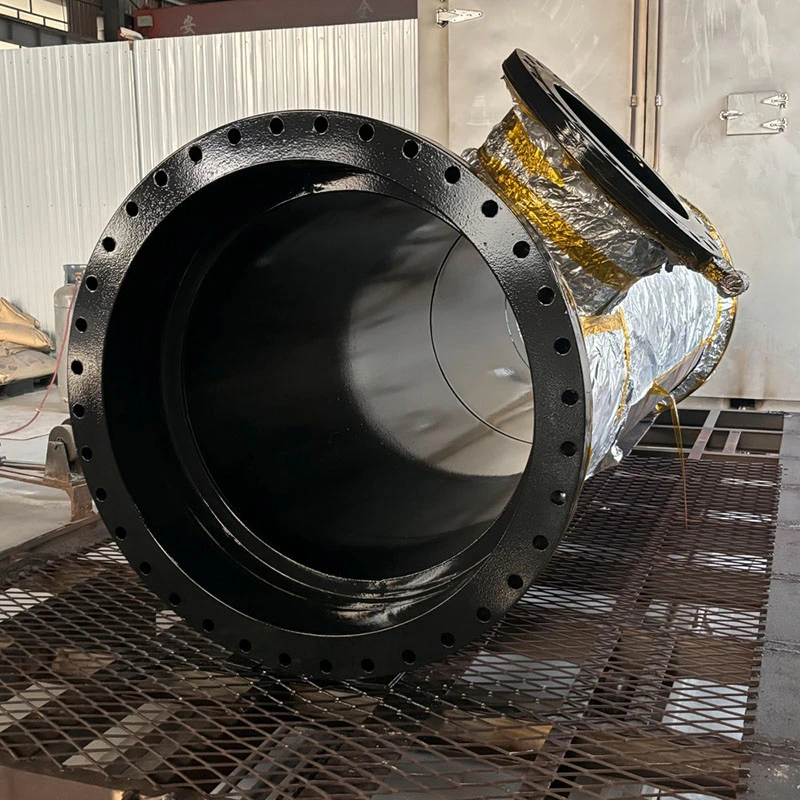
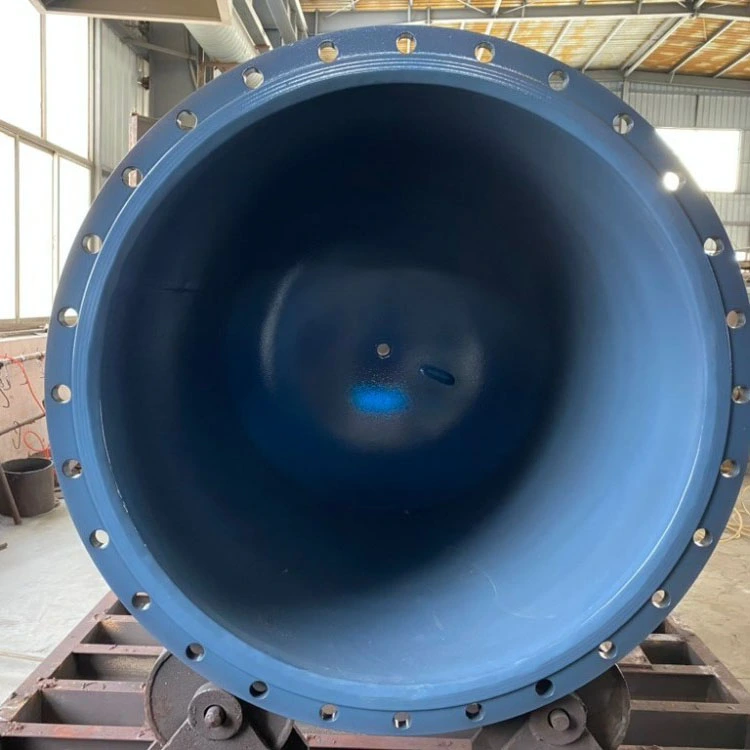
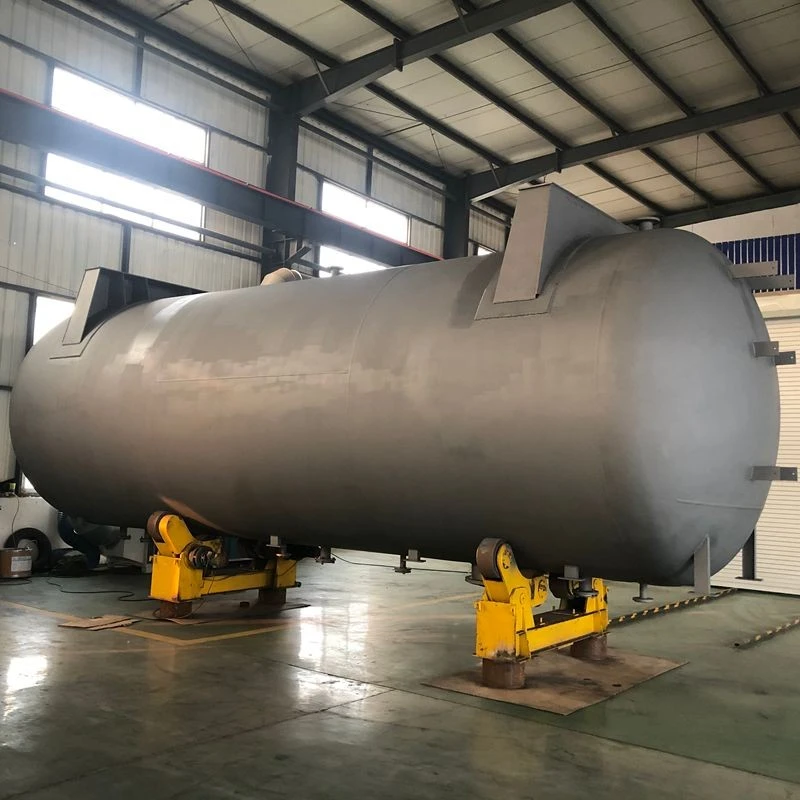
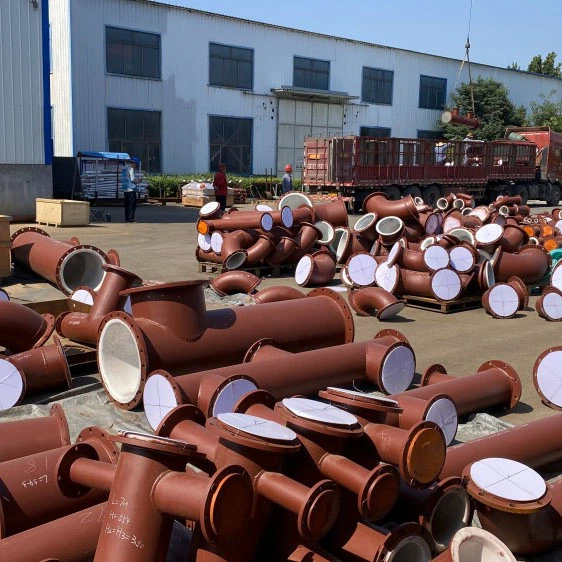
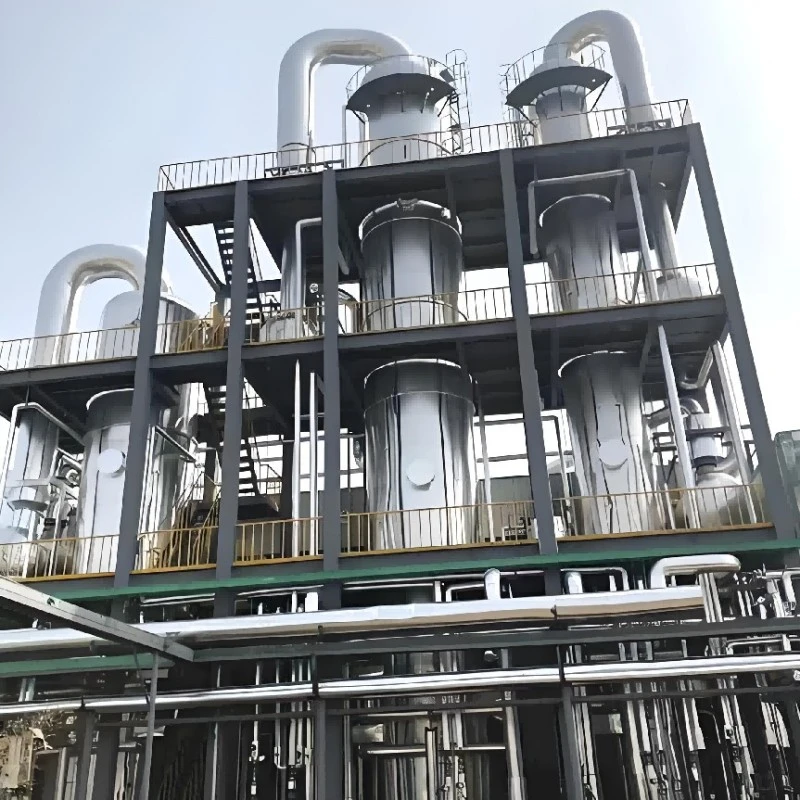
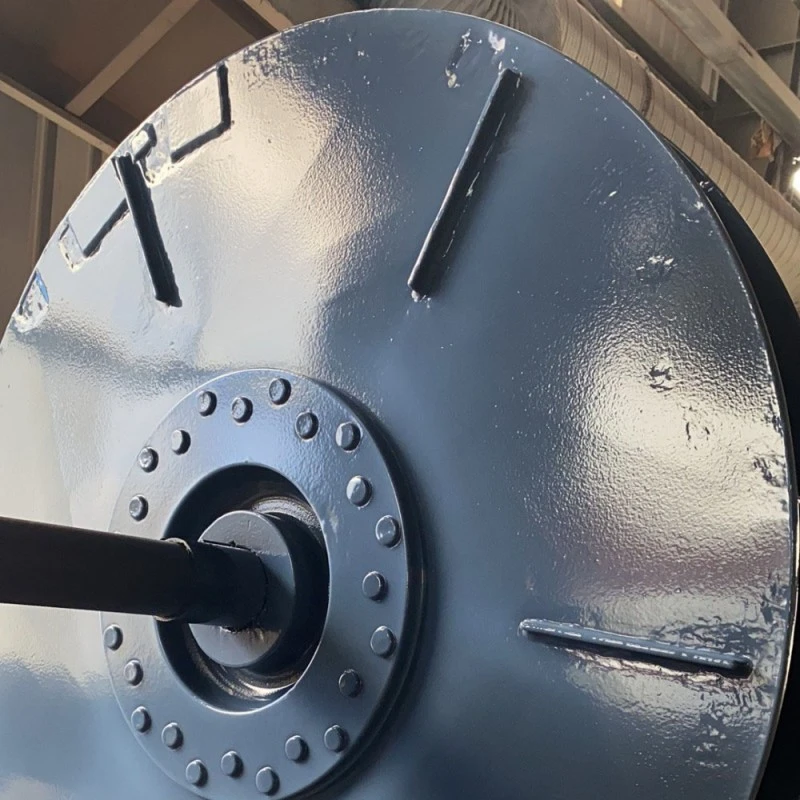
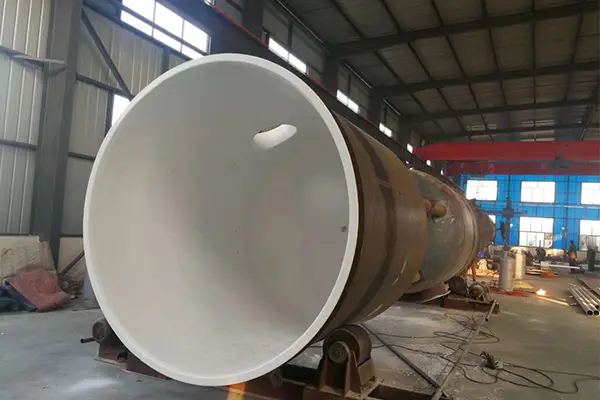
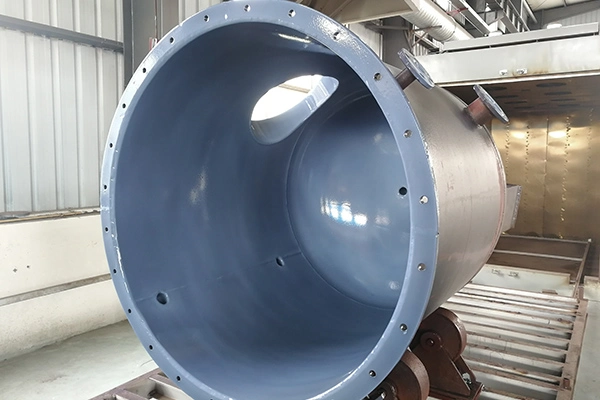
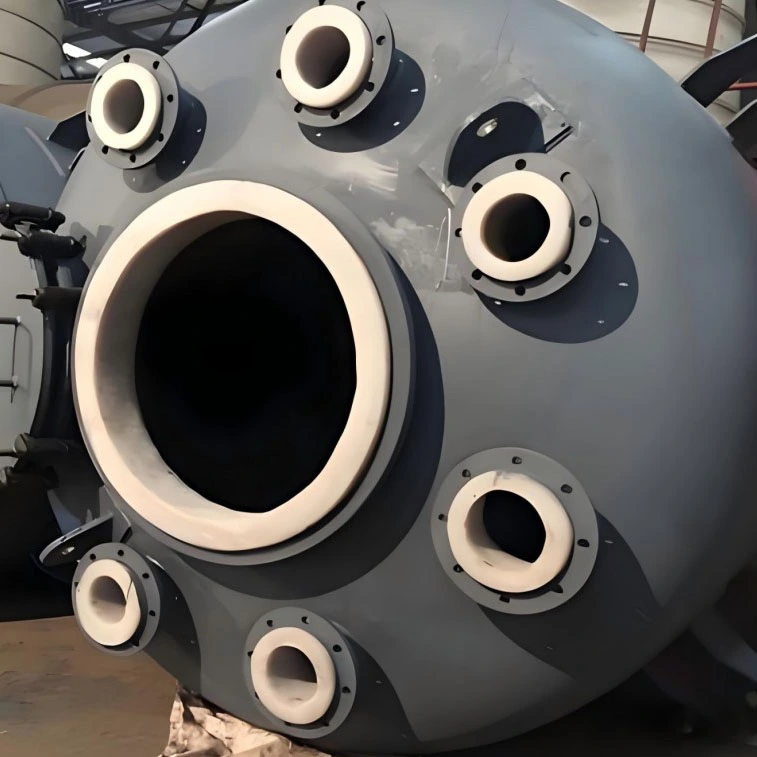
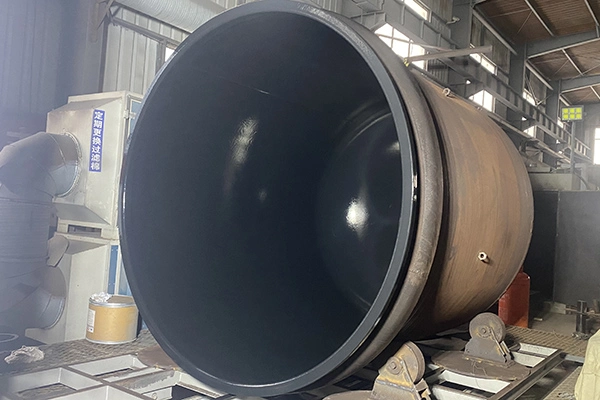
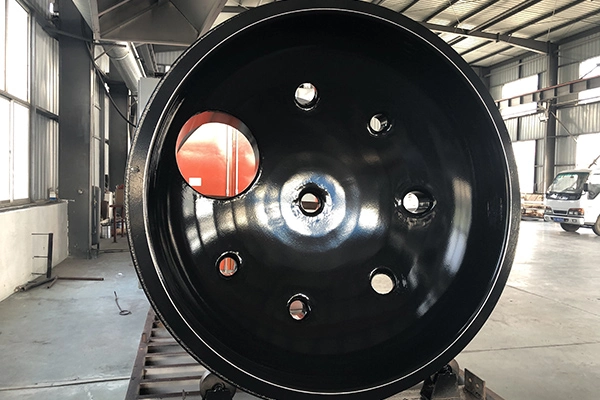
Our product range includes PTFE sheet-lined equipment, PTFE spraying and roller coating, plastic-lined equipment, PTFE-lined steel pipes and fittings, and related fluoropolymer components made from PTFE, PFA, ETFE, FEP and other advanced materials.
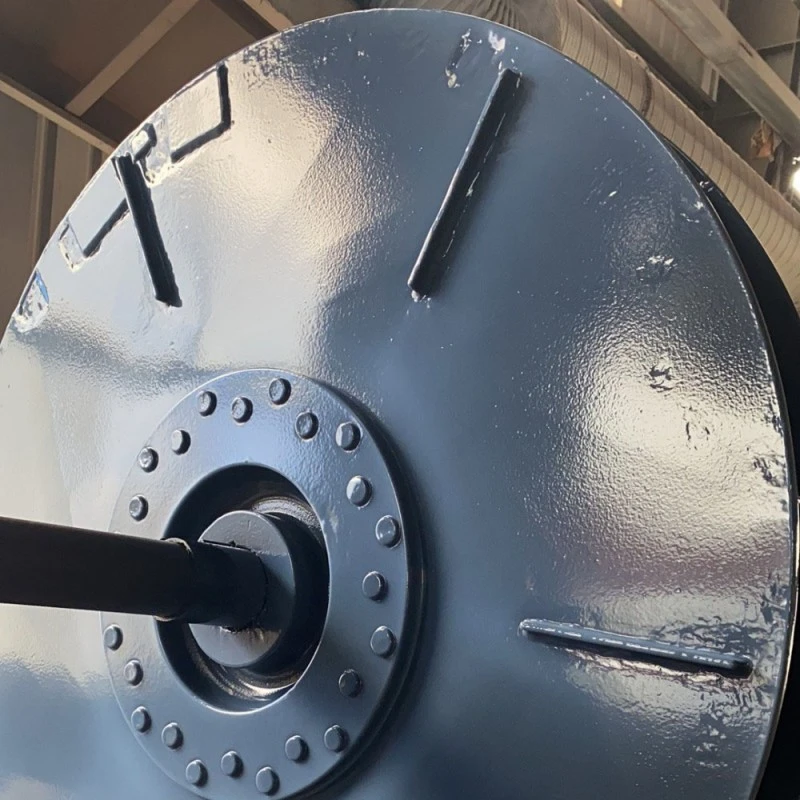
Zhuoyan PTFE lined corrosion resistant impellers combine the structural integrity of metal with the chemical inertness of PTFE. The metal substrate provides mechanical strength to withstand torque, bending forces, and vibration during operation, while the PTFE lining isolates the metal from corrosive media. This construction makes them suitable for tanks and reactors handling aggressive chemicals across the chemical, pharmaceutical, and hydrometallurgical industries. The non-stick surface minimizes product adhesion, ensuring consistent mixing and easy cleaning.
| Parameter | Specification |
| Substrate Material | Carbon Steel / Stainless Steel |
| Lining Material | PTFE |
| Operating Temperature Range | -180°C to +160°C |
| Common Impeller Types | Anchor, Turbine, Propeller, Paddle, Frame, Helical Ribbon |
| Typical Speed Range | Anchor/Frame: 60–300 rpm; Turbine/Propeller: Application-dependent |
| Dimensions | Customizable based on reactor/tank dimensions |
| Surface Property | Non-stick, low friction coefficient, easy to clean |
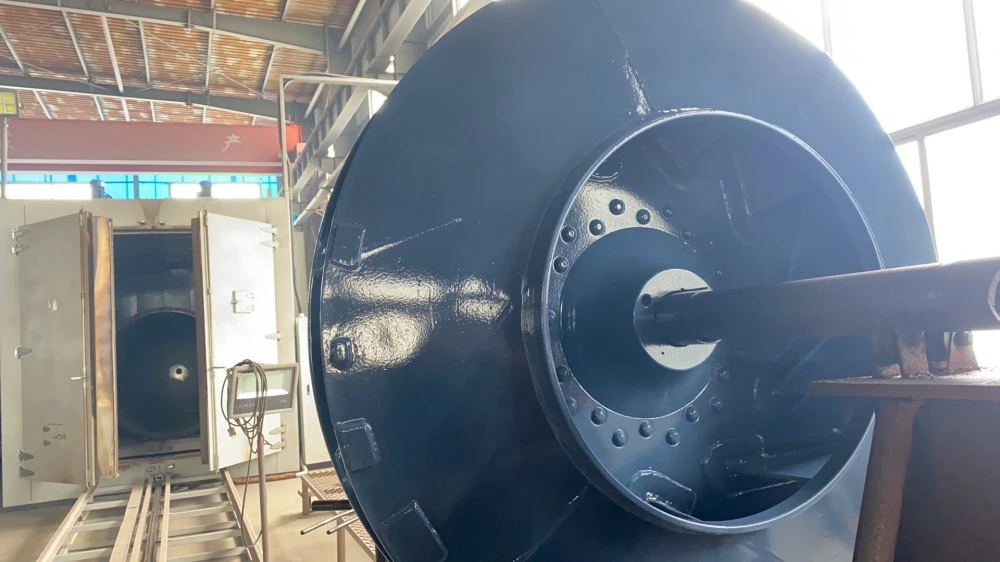
A PTFE Lined Corrosion Resistant Impeller is a mixing component with a steel core (carbon steel or stainless steel) coated or lined with polytetrafluoroethylene (PTFE) on all wetted surfaces. The steel core provides the structural strength and rigidity required for agitation, while the PTFE layer protects against chemical attack from acids, alkalis, solvents, and other corrosive fluids. These types of blades are used in corrosion-resistant reaction vessels, stirred tanks, and storage tanks. Common types include anchor, turbine, propeller, paddle, and ribbon blades.
Material Composition:
PTFE Lined Corrosion Resistant Impellers are composed of a metal substrate and a PTFE lining. The metal substrate, typically carbon steel (Q235B) or stainless steel (304, 316L), provides the mechanical strength to withstand torque, bending loads, and vibration during mixing. The PTFE lining covers all wetted surfaces, offering chemical resistance and a non-stick surface.
Manufacturing Processes:
The performance and service life of the lining depend significantly on the manufacturing process. Zhuoyan employs the following processes based on application requirements:
1. Compression Molding & Sintering
PTFE powder is placed into a mold together with the metal insert, then compressed under high pressure and sintered at elevated temperatures. This process produces a dense, uniform lining with strong adhesion to the metal substrate. It offers excellent resistance to pressure fluctuations, vacuum, and thermal cycling.
2. Wrapping & Sintering
PTFE tape is wrapped around the metal substrate and sintered in a furnace to form a seamless lining. This method provides good chemical resistance and is suitable for less severe applications.
3. Sheet Lining
PTFE sheets are cut to shape and bonded to the metal surface using adhesives, with welded seams. This is a cost-effective option but is more prone to peeling under vacuum or thermal shock compared to molding processes.
During operation, the impeller is driven by a motor through a shaft, creating fluid flow patterns (axial, radial, or tangential) that facilitate homogenization, solids suspension, heat transfer, and chemical reactions within the vessel.
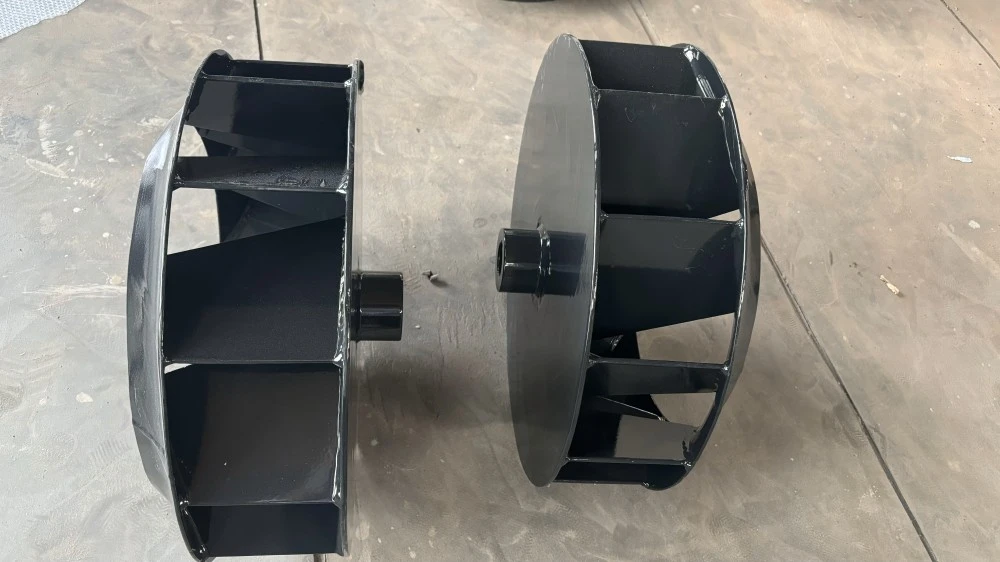
Proper selection of a Zhuoyan PTFE lined impeller requires evaluation of multiple process parameters. The following factors serve as key references:
1. Fluid Properties
Consider viscosity, density, solids content, and corrosiveness. Low-viscosity fluids generally suit propeller or turbine types; high-viscosity or non-Newtonian fluids require anchor, frame, or helical ribbon designs to ensure adequate bulk movement.
2. Mixing Objective
Different objectives—such as homogenization, solids suspension, gas dispersion, heat transfer, or chemical reaction—require specific flow patterns. Axial-flow impellers (e.g., propellers) are suitable for blending and suspension; radial-flow impellers (e.g., turbines) are better for gas dispersion and shear-intensive processes.
3. Vessel Geometry
Tank diameter, height-to-diameter ratio, bottom shape, and the presence of internals (baffles, coils) influence impeller size, placement, and the number of stages. Tall tanks may require multiple impellers mounted on a single shaft.
4. Speed and Power
Higher speeds increase mixing intensity and shear but also impose greater stress on the impeller, shaft, and lining. Select speed and motor power based on the impeller type and process requirements, avoiding operation that may cause excessive vibration or cavitation.
| Operation Project | Correct Practice | Incorrect Practice |
| Pre-start Check | Ensure the impeller is securely mounted and transmission components are tight. Check for no foreign objects in the vessel. Confirm liquid level covers the impeller to prevent dry running. | Starting without inspection; operating with insufficient liquid level or in an empty vessel, causing dry running damage to the PTFE lining or shaft bending. |
| Operating Parameters | Operate within the temperature, speed, and power ranges specified by Zhuoyan. Gradually increase speed to the set value. | Prolonged operation above temperature limits causing PTFE softening and deformation; overspeeding causing severe vibration or lining detachment. |
| Material Addition | Dissolve or crush solid materials before adding; introduce gradually to avoid impact from large lumps. | Directly adding large solid lumps or hard particles, causing impact damage to the lining or impeller imbalance. |
| Cleaning & Maintenance | Clean promptly after each batch, especially for viscous, crystallizing, or polymerizing media. Periodically inspect lining integrity. Use non-metallic soft brushes or high-pressure water. | Forcibly removing dried material by striking; using metal scrapers or sharp tools to scrape the lining surface. |
| Shutdown Procedure | Reduce speed gradually before shutdown. Drain or flush the system promptly after stopping to prevent material sedimentation. | Sudden high-speed shutdown; leaving material in the vessel for extended periods, causing crystallization, blockage, or corrosion at lining defects. |
| Periodic Inspection | Check impeller balance, lining thickness, and bonding condition at regular intervals (e.g., every 500 operating hours) and record data. | Inspecting only when abnormalities occur; ignoring minor cracks or wear in the lining, continuing operation leads to media penetration and substrate corrosion. |
Zhuoyan ensures that all PTFE Lined Corrosion Resistant Impellers are properly packaged to prevent mechanical damage and contamination during transportation.
Protective Wrapping: Each impeller is individually wrapped with anti-scratch film or foam padding to protect the PTFE surface from impacts and abrasion.
Securing and Support: The wrapped impeller is securely fastened inside a wooden crate or heavy-duty carton using custom-cut supports and straps to prevent shifting, rolling, or collision during transit.
Q1: What chemicals can PTFE lined impellers handle?
A1: PTFE resists strong acids, alkalis, organic solvents, and oxidizing agents, including aqua regia, hydrofluoric acid, concentrated sulfuric acid, and nitric acid .
Q2: What is the maximum operating temperature?
A2: The standard PTFE lining operates from -180°C to 160°C. For specific temperature requirements, please consult Zhuoyan.
Q3: Can the impeller be customized to fit my existing tank?
A3: Yes, Zhuoyan offers custom design and manufacturing based on vessel dimensions, process conditions, and mixing requirements.
Q4: How do I clean the PTFE lined impeller?
A4: The non-stick PTFE surface allows easy cleaning with solvents, water, or mechanical wiping. Avoid using sharp tools that could damage the lining.
Q5: How do I prevent damage during installation?
A5: Ensure proper alignment and torque specifications, avoid impacts that may crack the lining, and inspect for any visible defects before installation.
Address
80 Min’an Road, High-tech Zone, Zibo City, Shandong Province, China
Tel