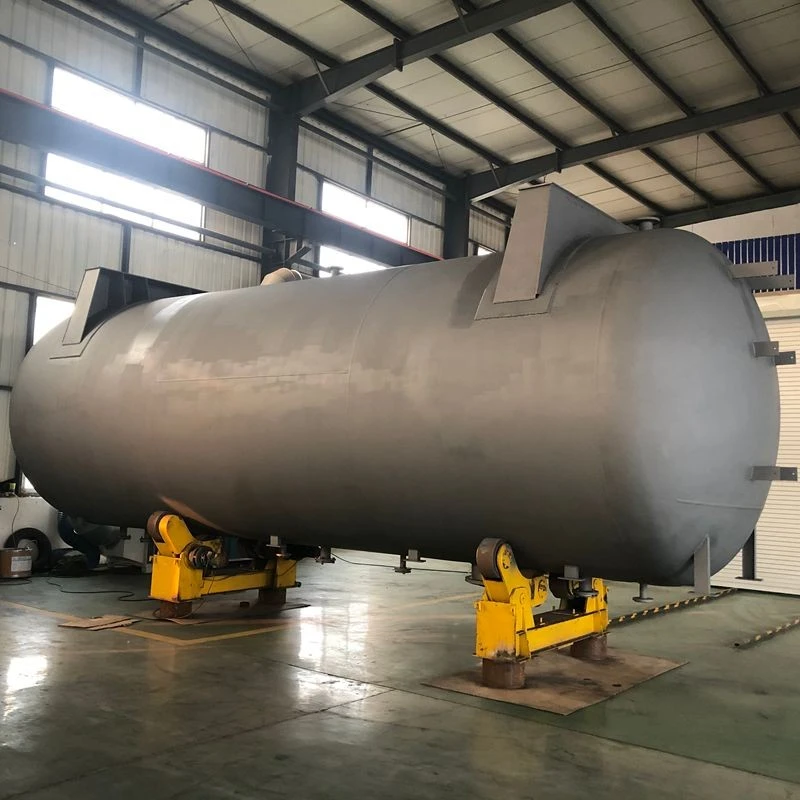
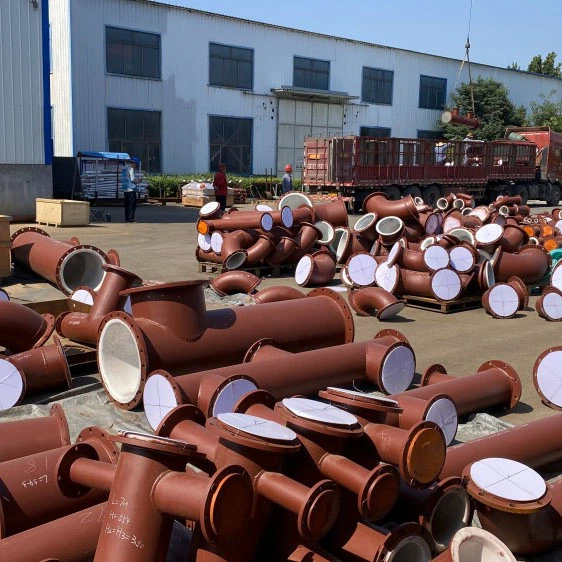
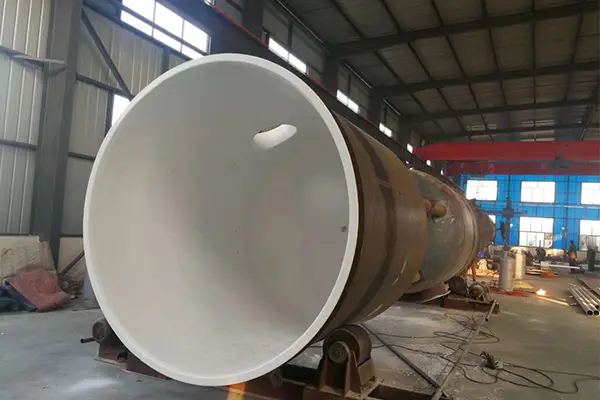
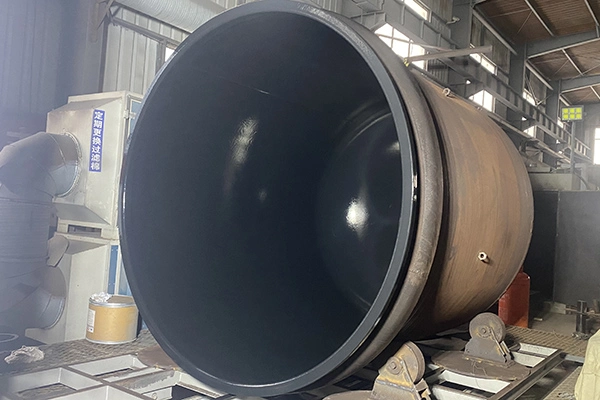
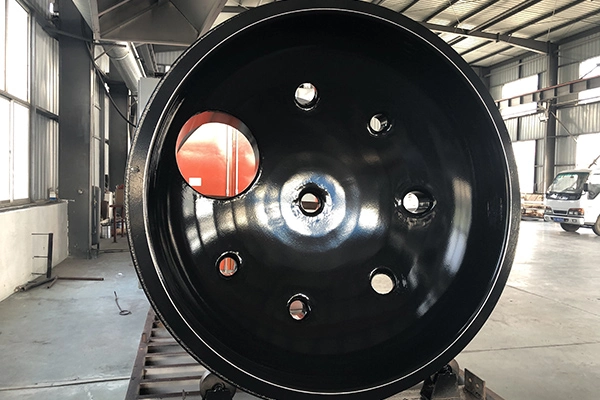
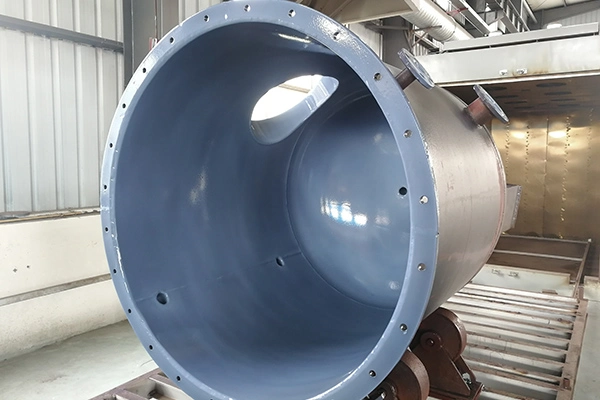
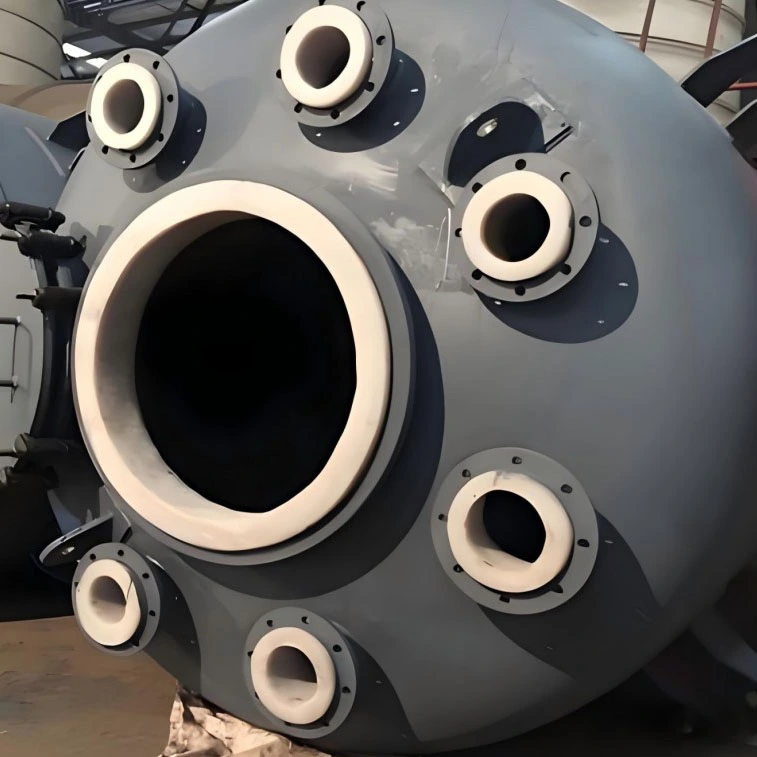
Our product range includes PTFE sheet-lined equipment, PTFE spraying and roller coating, plastic-lined equipment, PTFE-lined steel pipes and fittings, and related fluoropolymer components made from PTFE, PFA, ETFE, FEP and other advanced materials.
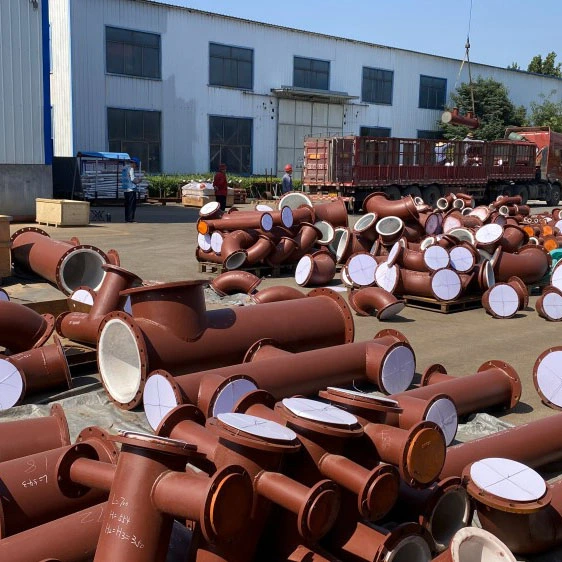
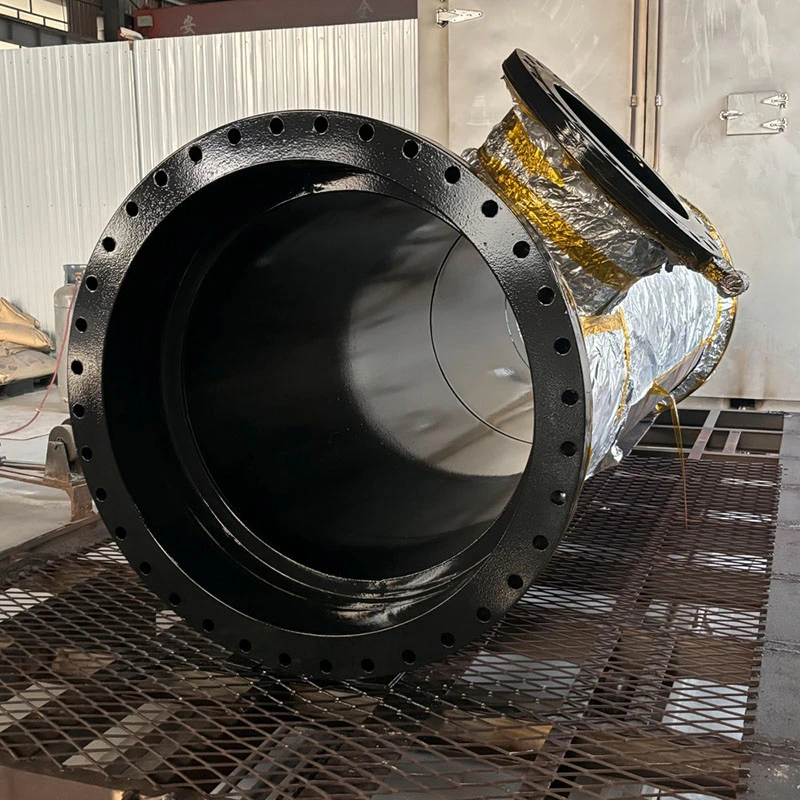
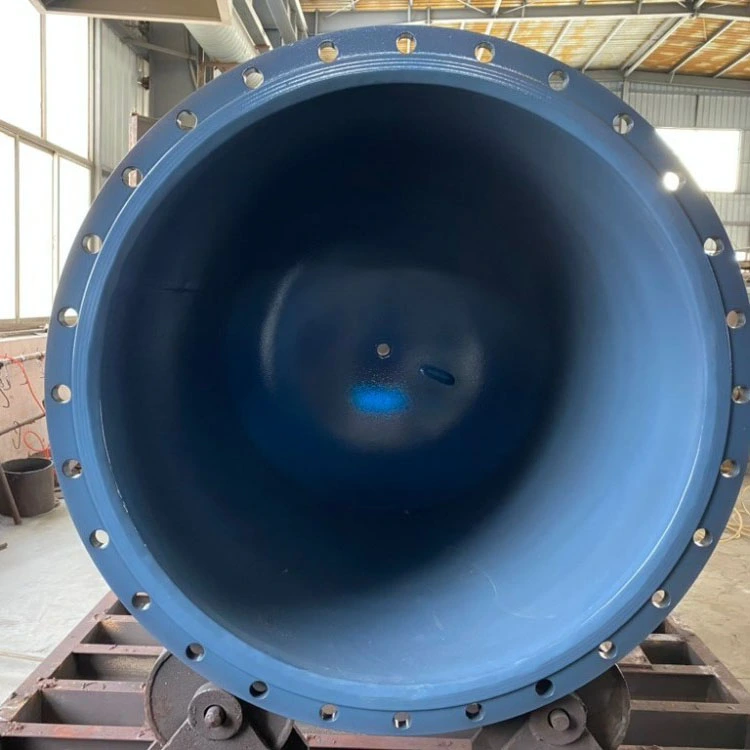
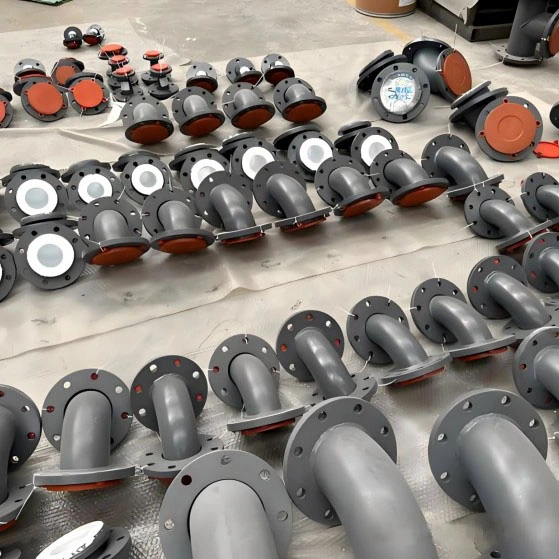
The PTFE lined chemical medium transfer elbow offered by Zhuoyan in China is a specialized pipe fitting designed for changing flow direction in corrosive service pipelines. Manufactured by Zhuoyan, this product features a metal outer shell—typically carbon steel or stainless steel—with a polytetrafluoroethylene (PTFE) liner bonded to the inner surface. This composite construction allows the elbow to withstand internal pressure and mechanical stress while preventing the process medium from contacting the metal substrate. The PTFE liner provides a barrier against chemical attack, making the elbow suitable for transporting acids, bases, organic solvents, and other corrosive fluids.
The product is available in standard angles including 45° and 90°, with sizes ranging from DN15 to DN600. Connection methods include flanged ends per ANSI B16.5, DIN, or JIS standards, with both fixed and loose flange configurations available depending on size requirements.
| Parameter | Specification |
| Size Range | DN15 – DN600 (1" to 24") |
| Elbow Angles | 45°, 90°(other angles available on request) |
| Housing Material | Carbon Steel / Stainless Steel (304/316) |
| Lining Material | PTFE |
| Lining Thickness | 3–7 mm(varies by size) |
| Flange Standards | ANSI B16.5 Class 150/300, DIN, JIS |
| Flange Configuration | One fixed + one loose flange (DN15–DN150); two fixed flanges (DN200–DN600) |
| Operating Temperature | -29°C to +200°C(up to 260°C for some configurations) |
| Pressure Rating | PN10, PN16, Class 150, Class 300 |
| Vacuum Capability | Applicable up to 150°C |
| Spark Test | 15 kV, 25 kV |
| Applicable Standards | ASTM F1545-15a, HG/T 21636, GB/T 9119 |
| Exterior Finish | Epoxy primer (4–6 mil), recoatable |
Corrosion Resistance: The PTFE liner resists most chemicals except molten alkali metals, elemental fluorine, and chlorotrifluorides. This makes the elbow suitable for handling aggressive media including sulfuric acid, hydrochloric acid, nitric acid, sodium hydroxide, and various organic solvents.
Wide Operating Temperature Range: PTFE-lined elbows maintain stable performance from -29°C to +200°C, with some designs supporting up to 260°C service. This thermal stability enables use in both high-temperature chemical processes and low-temperature storage applications.
Low Friction and Non-Stick Properties: The PTFE lining features a low friction coefficient, which reduces pressure drop and energy consumption during fluid transport. The non-stick surface also prevents solid particle adhesion and deposit buildup, minimizing the risk of flow restrictions and simplifying maintenance
Pressure and Vacuum Capability: The metal outer shell provides pressure ratings up to PN10 to PN16 (Class 150 to 300), with the PTFE liner supporting vacuum service at temperatures up to 150°C. This capability accommodates diverse operating conditions encountered in chemical processing.
Product Purity Maintenance: The inert PTFE lining does not leach contaminants into the process medium, making the elbow suitable for pharmaceutical, food, and high-purity chemical applications where product integrity is critical.
The PTFE lined chemical medium transfer elbow operates on the principle of combining the mechanical strength of a metal housing with the chemical inertness of a fluoropolymer liner. During service, the corrosive medium flows through the PTFE-lined interior, where the polymer's non-stick and chemically resistant properties prevent degradation or contamination. The metal outer shell—constructed from carbon steel or stainless steel—provides structural integrity to withstand system pressure and mechanical loads.
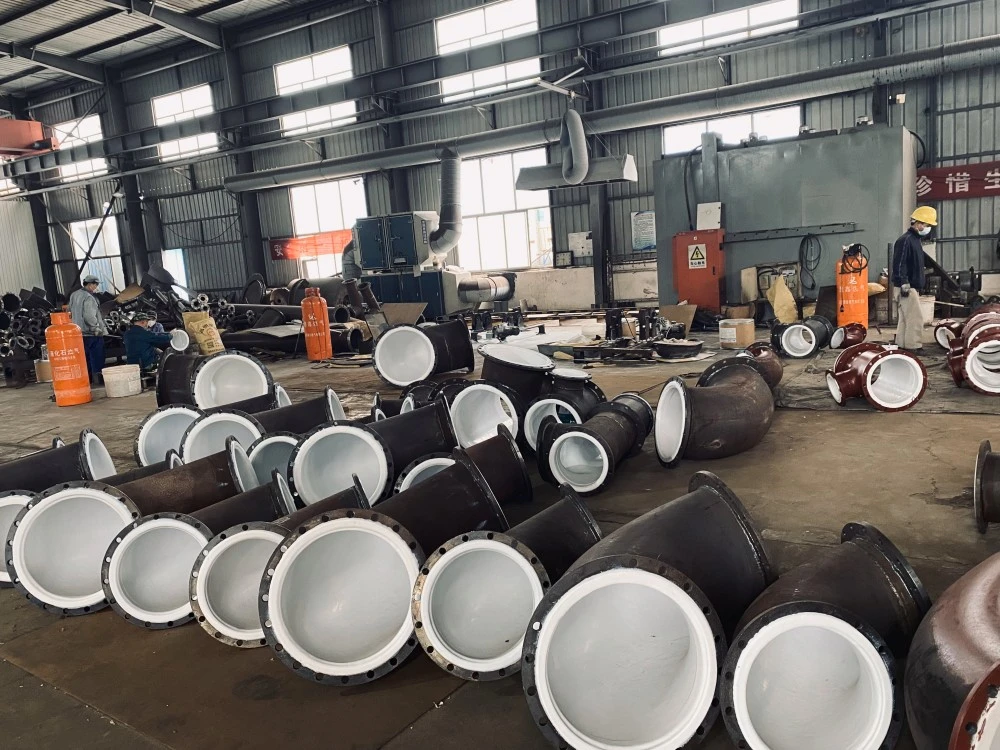
The PTFE liner is manufactured using processes such as compression molding, isostatic molding, or ram extrusion to achieve uniform thickness and density. For larger diameter elbows (400NB to 600NB), two-piece construction may be employed, while smaller sizes are produced as single-piece units. The liner thickness is designed to accommodate thermal expansion and contraction, with special HD (high-density) liners available for applications involving high fluid friction or extended service life. The interface between the liner and the metal shell accounts for differential thermal expansion, maintaining seal integrity across the operating temperature range.
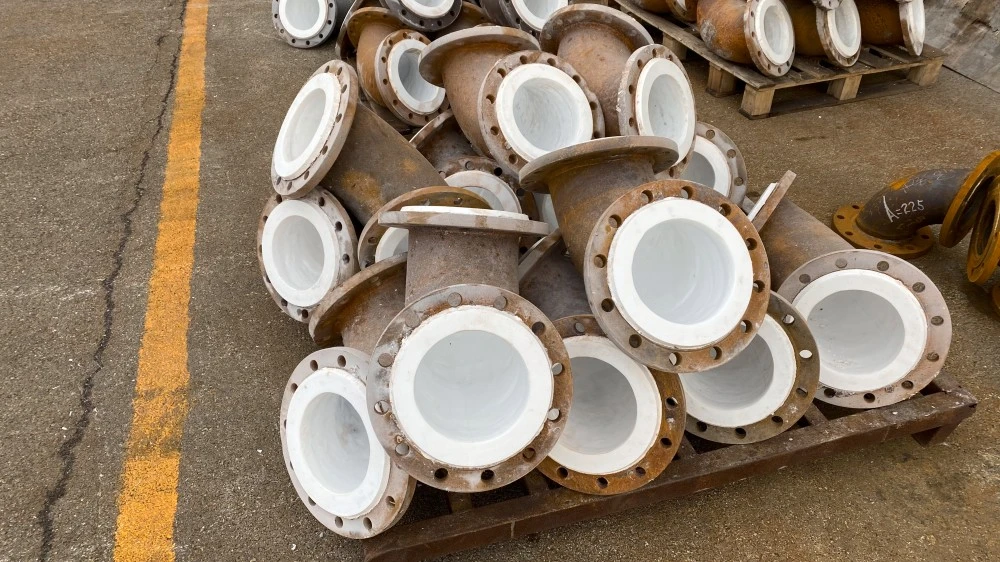
When selecting a Zhuoyan PTFE lined chemical medium transfer elbow, consider the following factors:
1. Operating Temperature and Pressure: Evaluate the continuous and peak temperature/pressure conditions of your system. Standard PTFE liners support service up to 200°C, with virgin PTFE configurations available for extended temperature ranges. Verify that the selected pressure rating (PN10, PN16, Class 150, or Class 300) matches your system requirements.
2. Chemical Compatibility: PTFE resists attack from most chemicals, but verify compatibility with your specific medium. Note that PTFE is not suitable for molten alkali metals, elemental fluorine, or chlorotrifluorides. For applications involving static charge accumulation, consider antistatic PTFE liners (volume resistivity ≤ 10⁸ Ω·cm).
3. Elbow Angle and Size: Select the bend angle (45° for gentler flow transitions, 90° for tight routing) based on your piping layout and flow characteristics. Choose the nominal bore size matching your pipeline diameter. For sizes DN400 to DN600, two-piece elbow construction is standard.
4. Connection Requirements: Specify flange standard (ANSI, DIN, or JIS), pressure class, and flange configuration (fixed/loose). Confirm bolt hole pattern and facing dimensions for proper installation.
5. Application Environment: For outdoor or corrosive atmospheric exposure, specify appropriate exterior coating or consider stainless steel housing. For high-purity applications (pharmaceutical, food), confirm that the PTFE grade meets relevant compliance requirements.
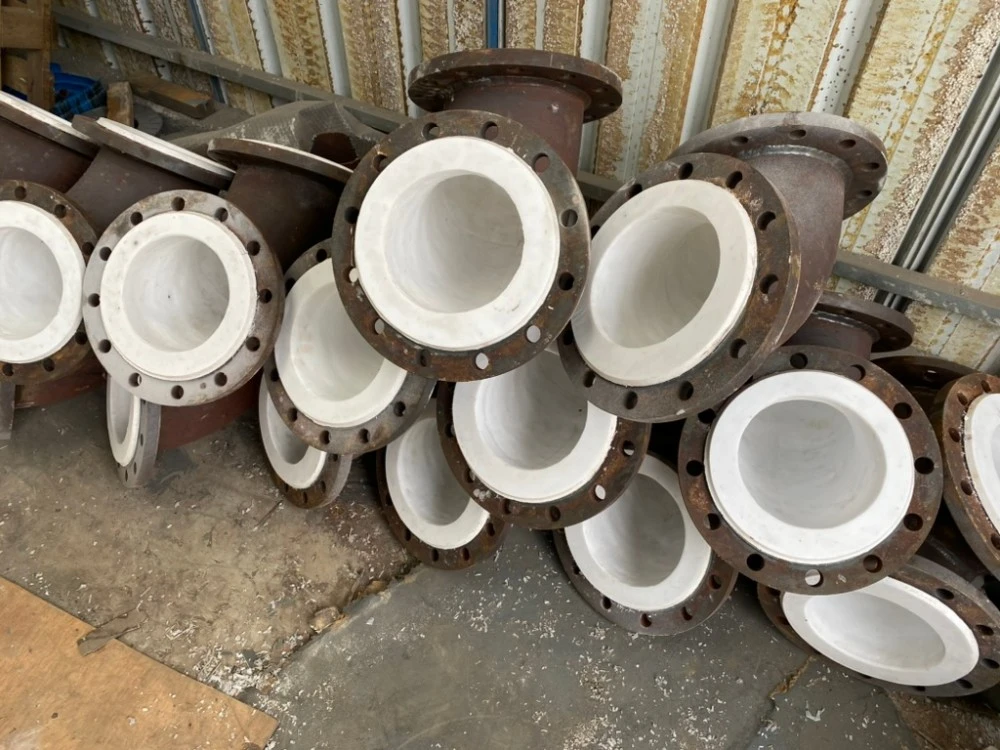
Zhuoyan PTFE lined chemical medium transfer elbows are packaged to ensure product integrity during transit and storage:
Packaging: Each elbow is individually protected with end caps or plywood blind covers to prevent damage to flange faces and liner surfaces. Flange connections are secured with protective covers. For larger sizes, wooden crates or pallets are used to provide structural support during shipping.
Shipping: Products are shipped via sea freight, air freight, or land transportation based on customer requirements. Standard export packaging complies with international shipping regulations. Each shipment includes packing lists, quality certificates, and inspection reports.
Q1: What chemicals can PTFE lined elbows resist?
A1: PTFE resists most chemicals except molten alkali metals, elemental fluorine, and chlorotrifluorides. The lining is suitable for handling strong acids, bases, organic solvents, and oxidizing agents.
Q2: What is the standard operating temperature range?
A2: The standard operating temperature range is -29°C to +200°C. Some configurations support service up to 260°C. Consult Zhuoyan for specific temperature requirements.
Q3: What sizes are available?
A3: Zhuoyan PTFE lined elbows are available from DN15 to DN600 (1" to 24") in both 45° and 90° angles.
Q4: What is the typical liner thickness?
A4: Liner thickness varies by size, with standard thickness ranging from 3 mm to 7 mm. HD (high-density) liners are available for applications requiring enhanced durability.
Address
80 Min’an Road, High-tech Zone, Zibo City, Shandong Province, China
Tel