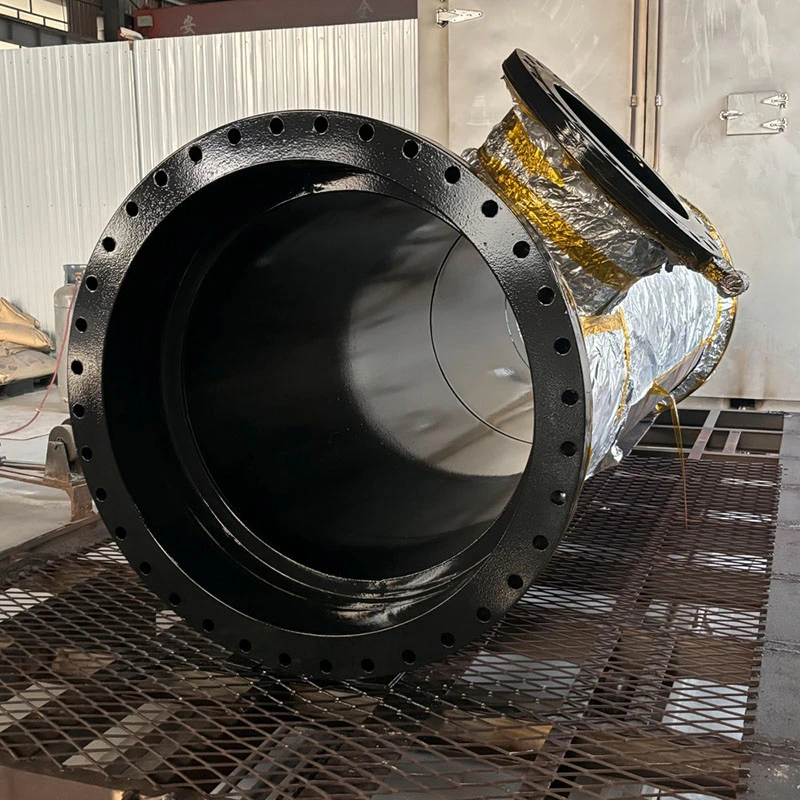
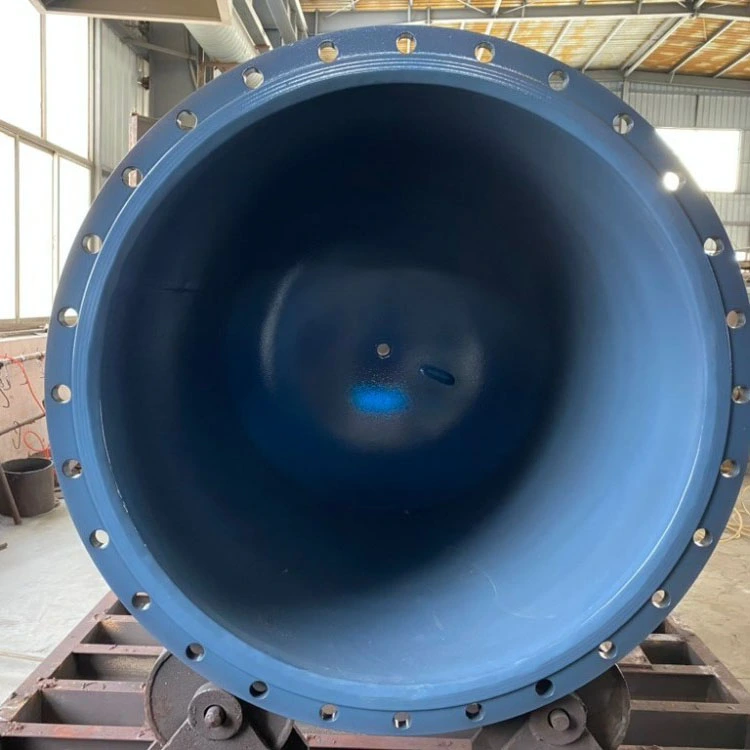
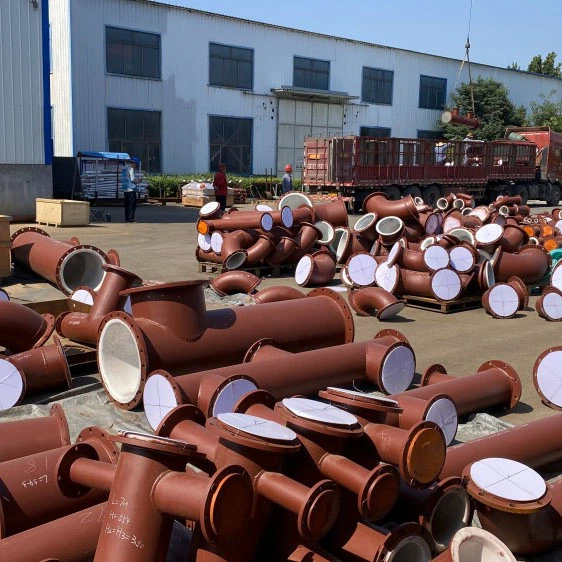
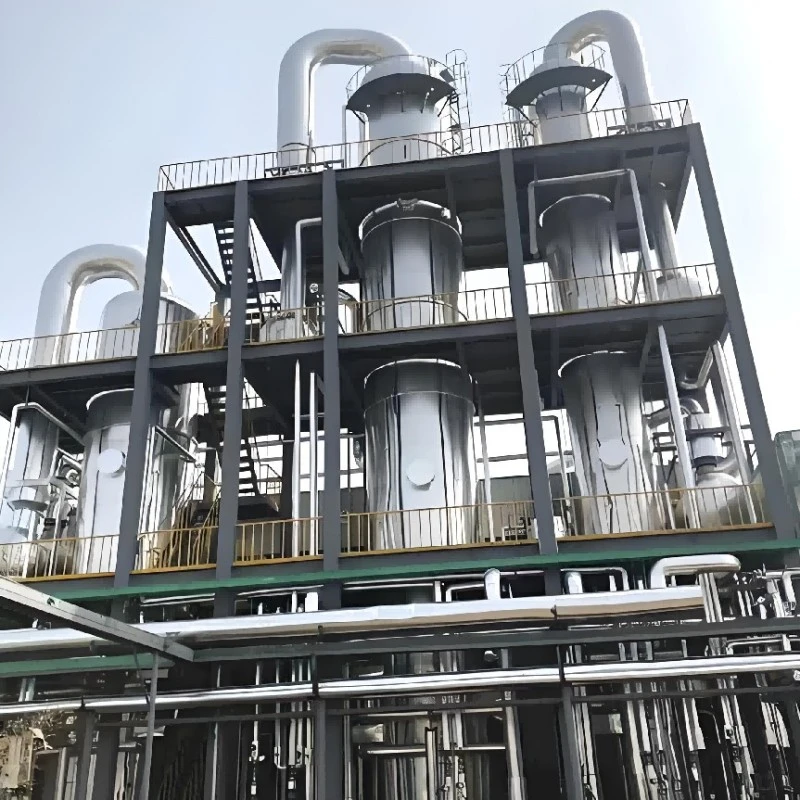
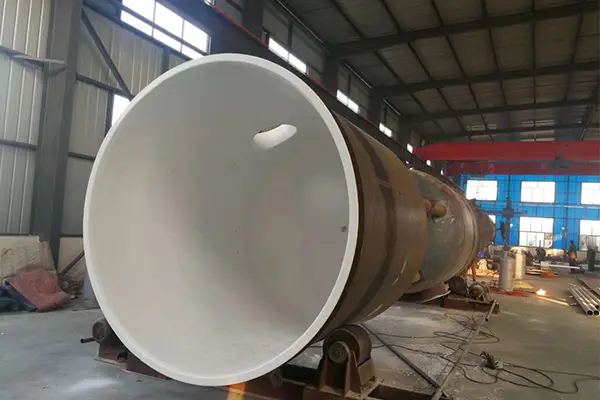
Our product range includes PTFE sheet-lined equipment, PTFE spraying and roller coating, plastic-lined equipment, PTFE-lined steel pipes and fittings, and related fluoropolymer components made from PTFE, PFA, ETFE, FEP and other advanced materials.
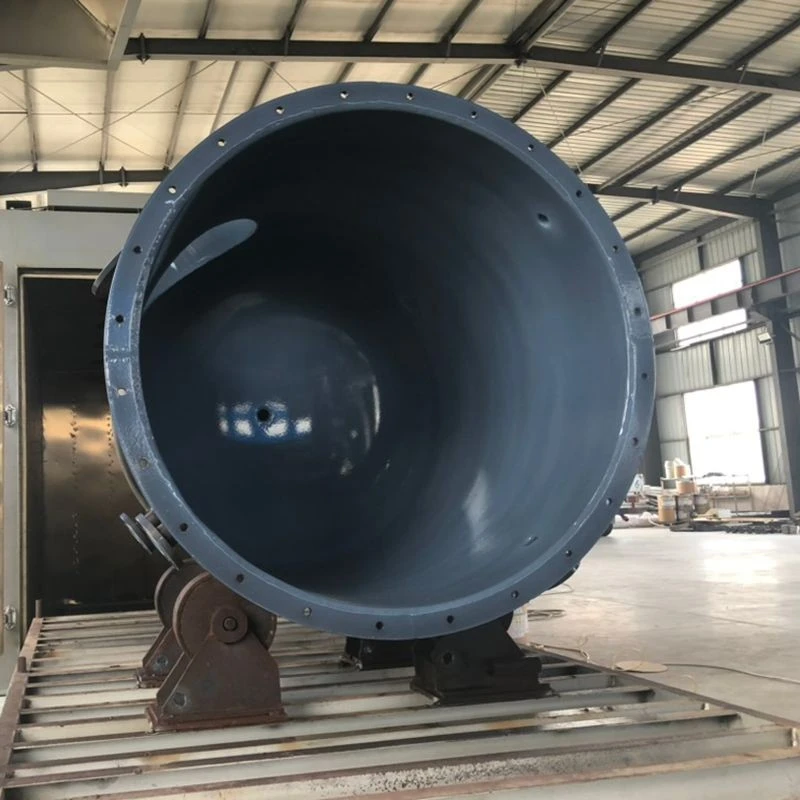
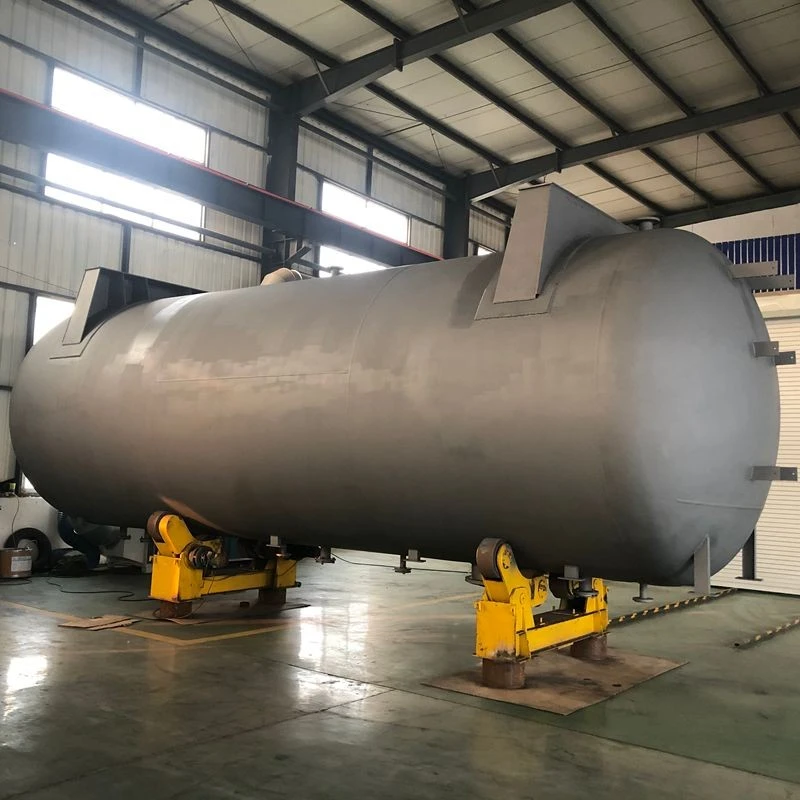
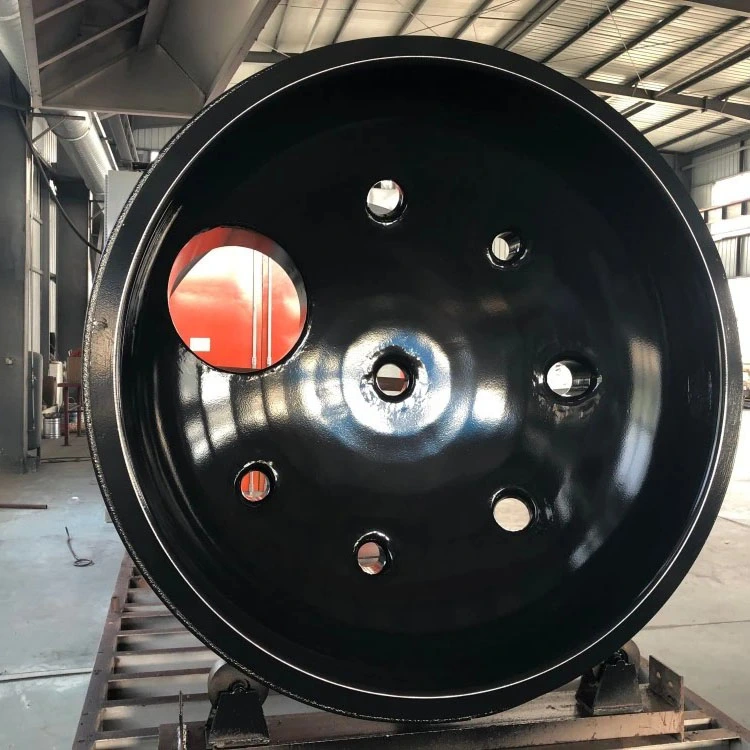
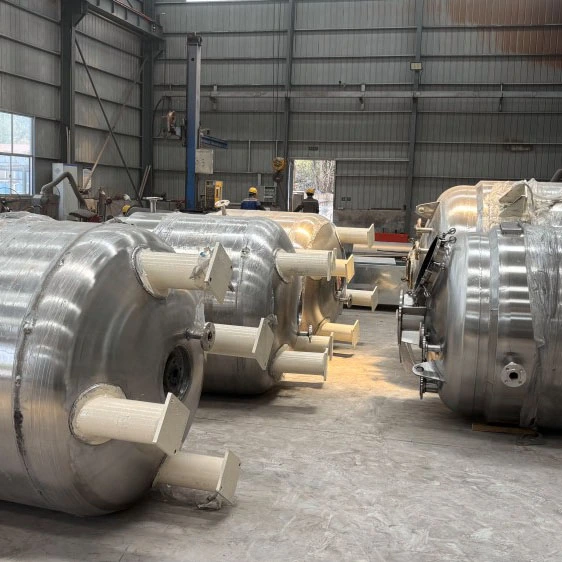
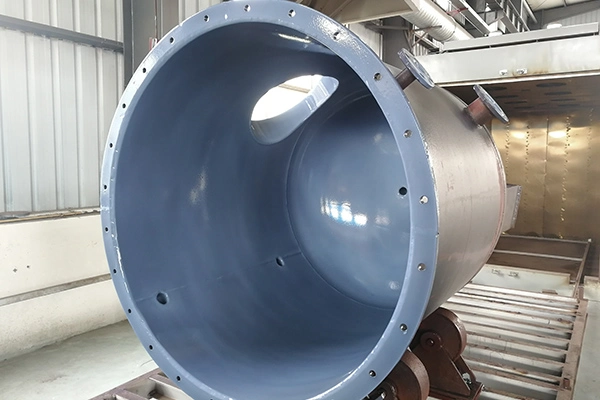
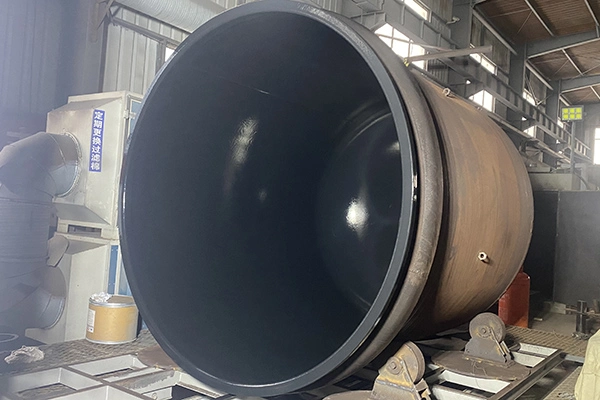
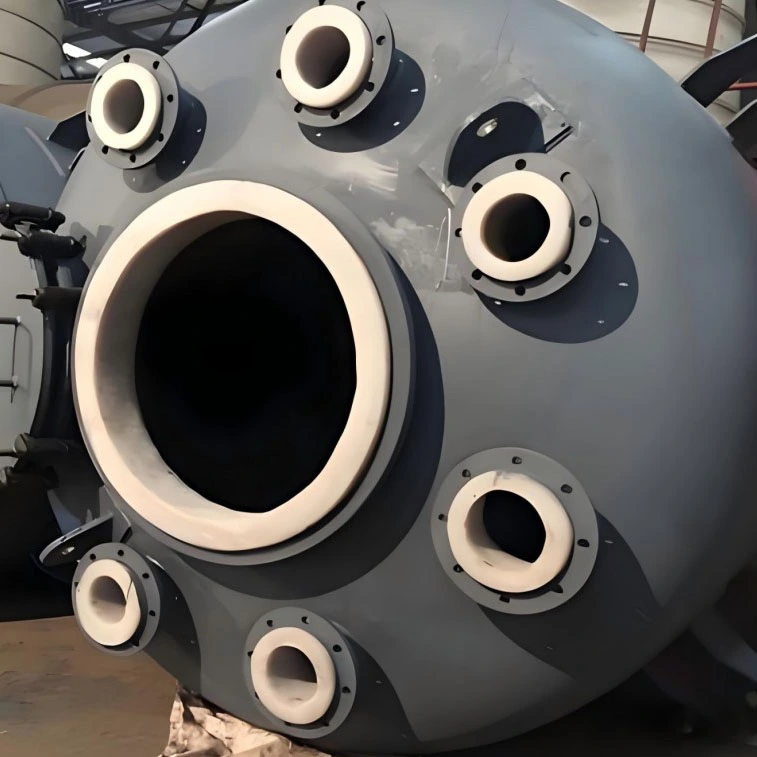
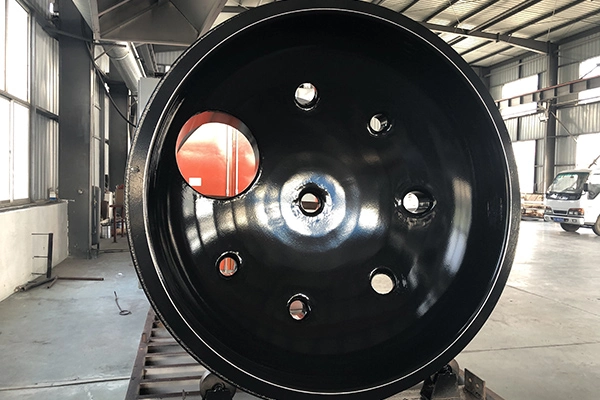
The PFA coated industrial chemical reaction tank is a core high-end product of Shandong Zhuoyan New Materials Co., Ltd. It is a steel-lined plastic composite equipment, combining the pressure-bearing capacity of metal equipment with the excellent corrosion resistance of plastic materials. Its working principle involves using carbon steel or stainless steel as the structural shell, and employing advanced hot-melt or spraying technology to uniformly and thoroughly adhere PFA (soluble polytetrafluoroethylene) material to the inner surface of the equipment and the stirring components. This structural design allows the reactor to operate stably for extended periods under extremely harsh conditions, effectively solving the problems of easy corrosion and contamination of traditional stainless steel or enamel equipment in highly permeable media.
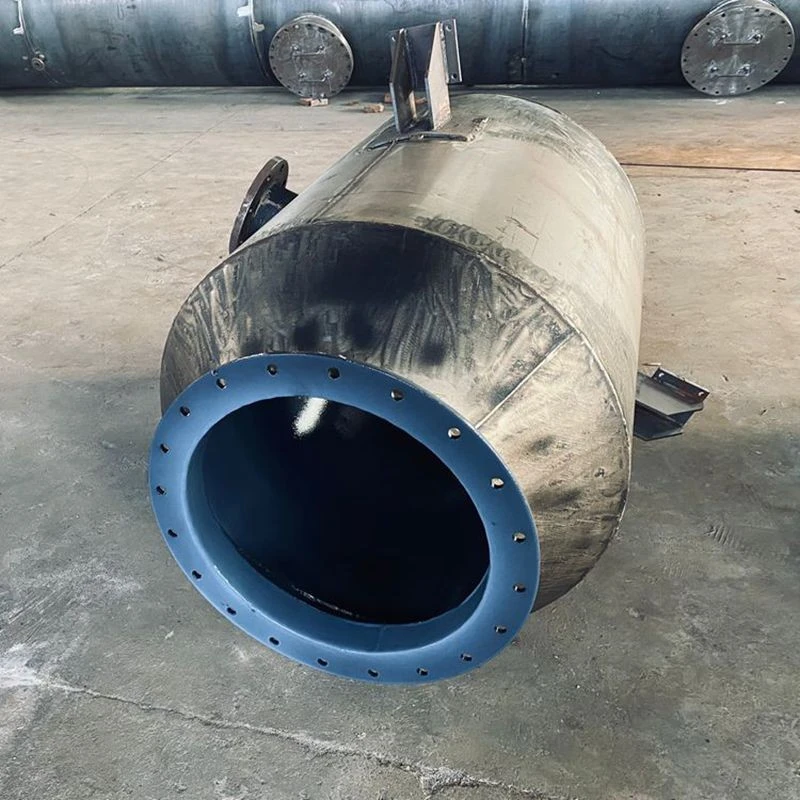
1. Exceptional Corrosion Resistance: PFA material is resistant to corrosion by virtually all chemical media, including hydrochloric acid, sulfuric acid, hydrofluoric acid, and various strong oxidizing agents, making it the “ultimate solution” for addressing highly corrosive environments.
2. Wide Temperature Range Adaptability: The equipment can operate continuously within a temperature range of -80°C to 260°C, maintaining excellent mechanical properties and chemical stability whether used in cryogenic reactions or high-temperature synthesis.
3. Shandong Province’s First-of-Its-Kind Technical Equipment: As an officially recognized product representing a major technological breakthrough—particularly in PFA spraying technology for large-diameter reactors—we possess unique processes for controlling furnace temperature uniformity (within ±3°C) and coating uniformity, ensuring exceptional quality.
4. High Purity and Contamination Prevention: The PFA lining exhibits extremely low leaching and migration characteristics, with extremely low blank values for metallic elements, making it ideally suited for industries with extremely high purity requirements, such as semiconductors and pharmaceutical intermediates.
1. Main Body Material: Carbon steel, 304 stainless steel, 316L stainless steel (optional)
2. Inner Lining Material: Imported PFA (Source: AGC, Daikin, DuPont, Solvay, etc.)
3. Volume Range: 50L to 50,000L (Customization available)
4. Operating Temperature: -200℃ to +260℃
5. Design Pressure: Atmospheric pressure to 1.0MPa (Custom design available upon request)
6. Lattice Thickness: Customized according to operating conditions, typically 0.8mm - 6mm (Excellent protection can be achieved with a 0.8mm coating thickness using spraying processes)
Compared to traditional enamel-lined reactors or ordinary PTFE-lined reactors, Zhuoyan's PFA coated industrial chemical reaction tank have significant advantages: enamel-lined reactors are easily damaged when exposed to hydrofluoric acid or high-temperature alkaline solutions, while PFA material is completely unaffected by such media; compared to PTFE linings, PFA has better density and impermeability, and a thinner, more uniform, and seamless coating can be achieved through a spraying process, eliminating the risk of media seepage from seams.
This product is widely used in high-end chemicals, pharmaceutical intermediate synthesis, pesticide production, new energy materials (such as lithium battery electrolytes), semiconductor wet cleaning, and the nuclear industry. It is particularly suitable for high-risk and challenging reaction processes involving hydrofluoric acid, strong oxidants, and high-temperature organic solvents. Zhuoyan New Materials has successfully delivered large-diameter spray-coated PFA reactors to numerous fine chemical and pharmaceutical companies, with user feedback far exceeding customer expectations.
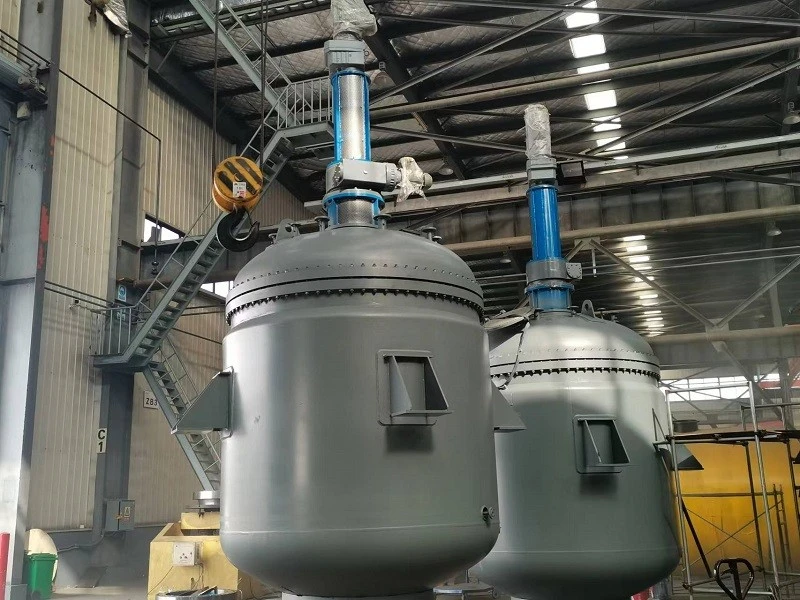
1. Certification System: We strictly adhere to the ISO quality management system and perform non-destructive testing on key processes.
2. Quality Assurance Commitment: We provide a standard warranty period and offer specialized after-sales support for lining quality.
3. Customization Services: We provide product selection recommendations and design drawings based on the process parameters (medium, temperature, pressure) provided by the customer.
A1: PFA is a melt-processable perfluorinated resin that offers superior density, permeability resistance, and surface finish compared to PTFE. It can be applied via spraying to create a seamless corrosion-resistant layer, making it more suitable for highly permeable media and vacuum conditions.
A2: Yes. Through the use of a special vacuum-resistant structural design and a dual-lining system combining PFA and PTFE, the equipment can withstand certain negative pressure conditions.
A3: The minimum order is typically one unit, and all equipment is custom-manufactured according to customer requirements.
A4: PFA has excellent non-stick properties, and its smooth surface prevents material buildup. Maintenance is typically straightforward using solvent cleaning or a CIP (Clean-in-Place) system.
Address
80 Min’an Road, High-tech Zone, Zibo City, Shandong Province, China
Tel