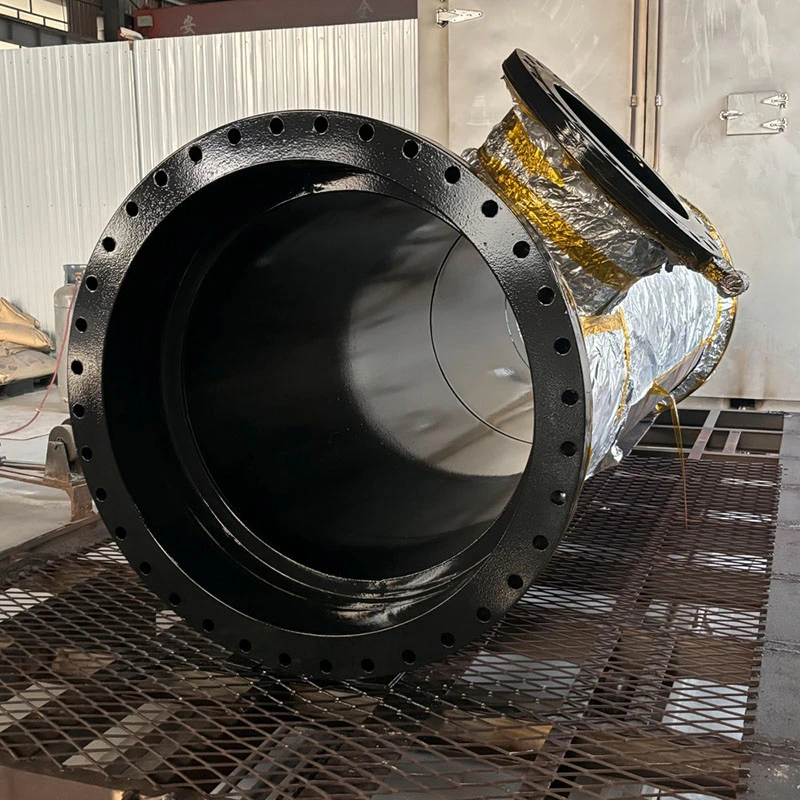
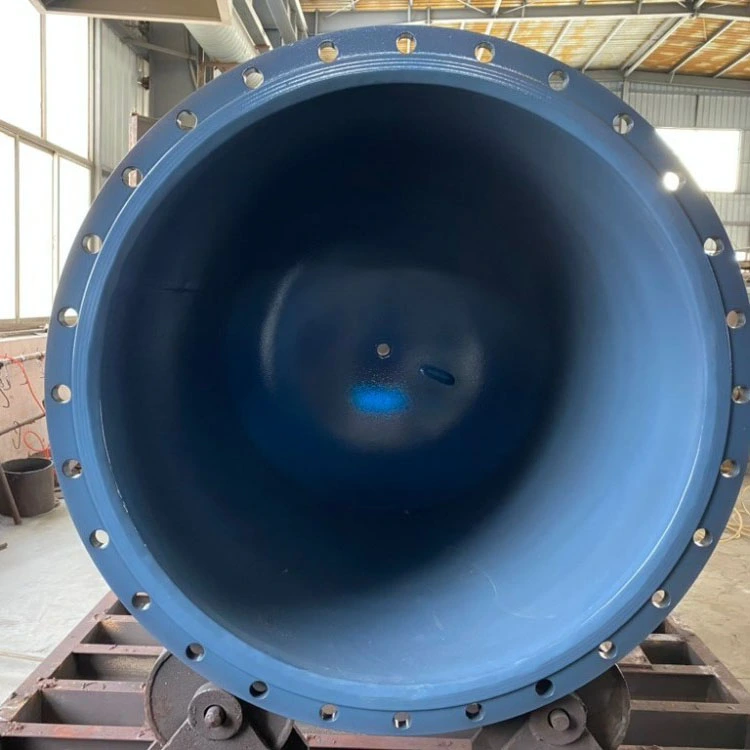
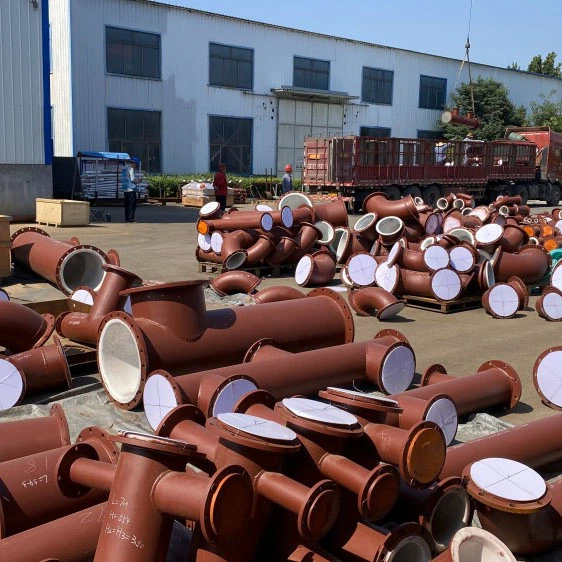
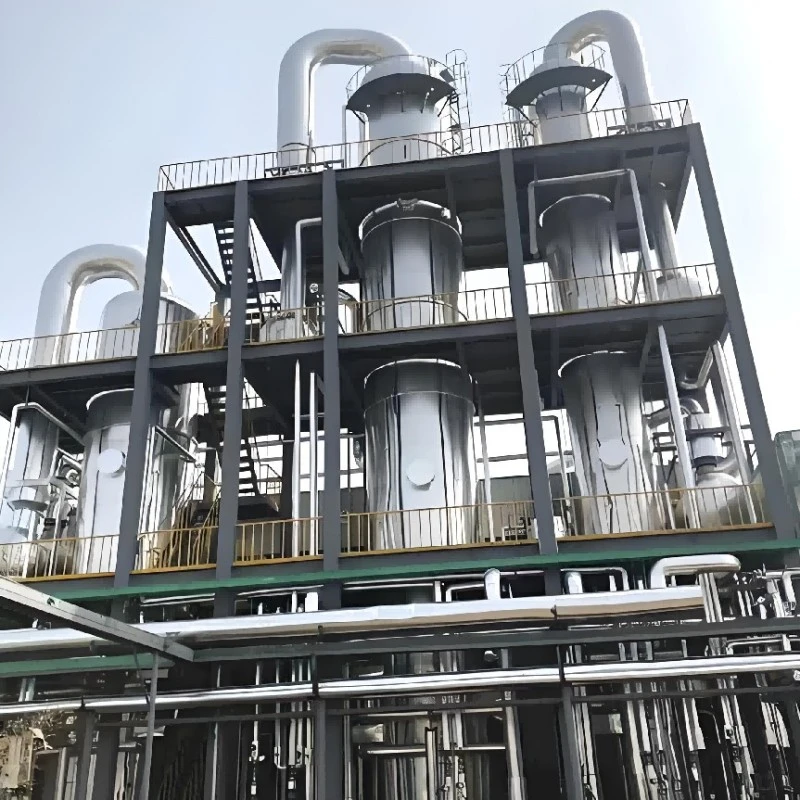
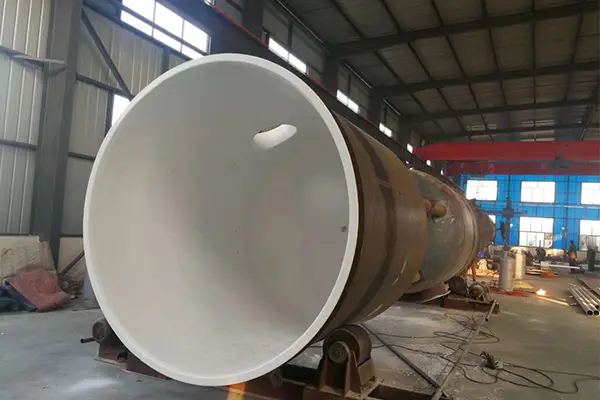
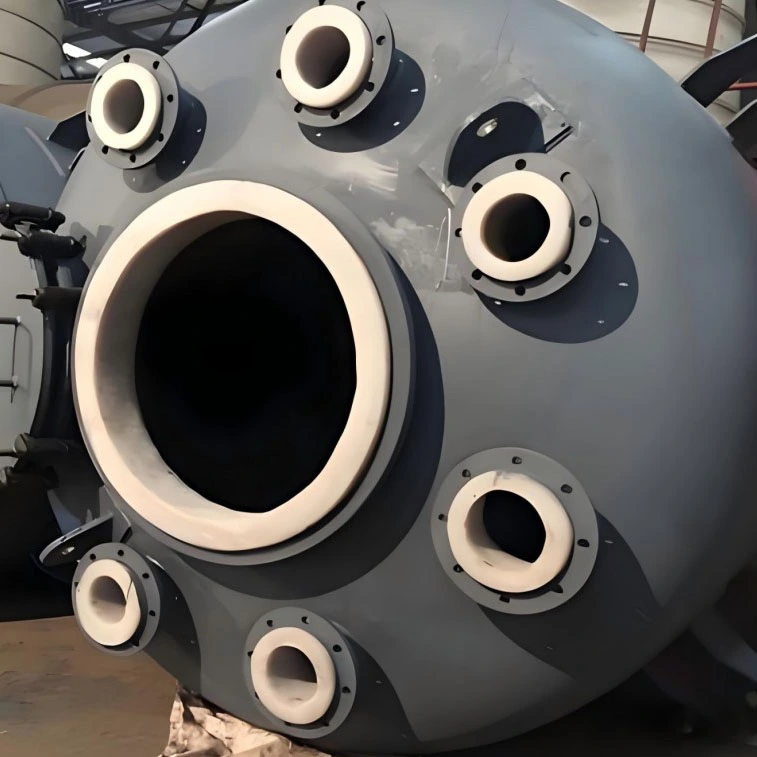
Our product range includes PTFE sheet-lined equipment, PTFE spraying and roller coating, plastic-lined equipment, PTFE-lined steel pipes and fittings, and related fluoropolymer components made from PTFE, PFA, ETFE, FEP and other advanced materials.
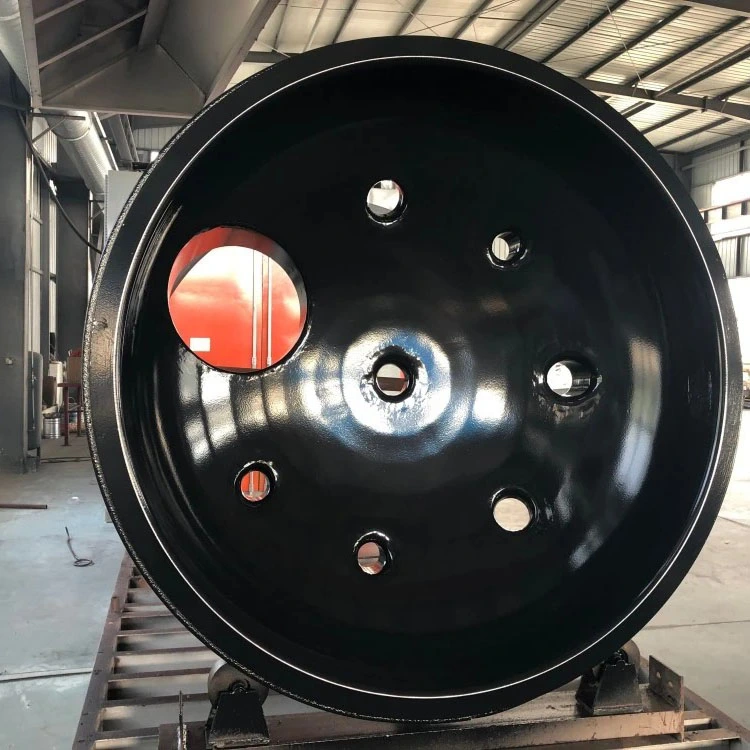
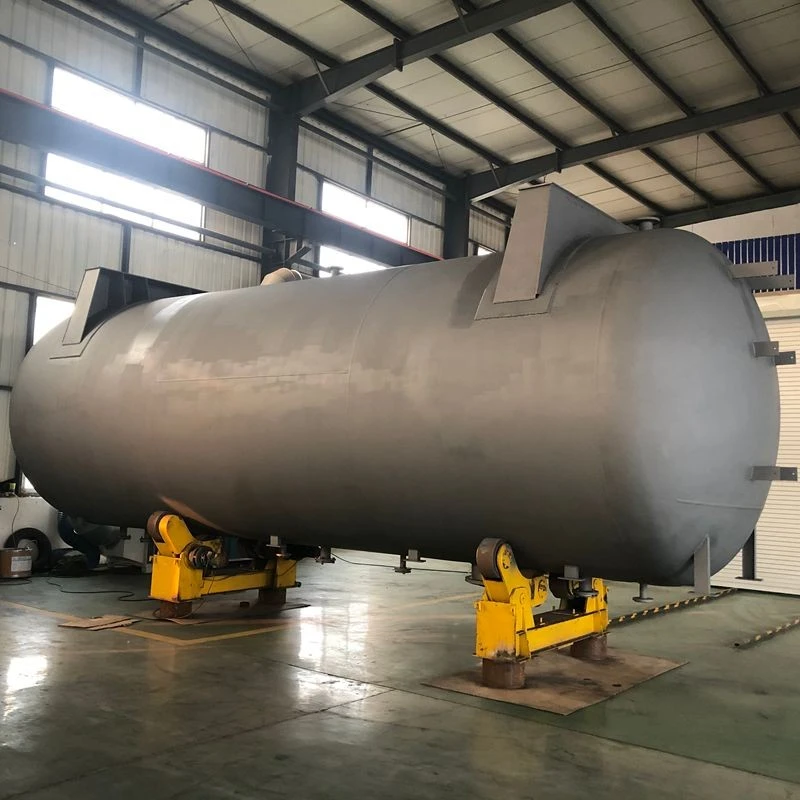
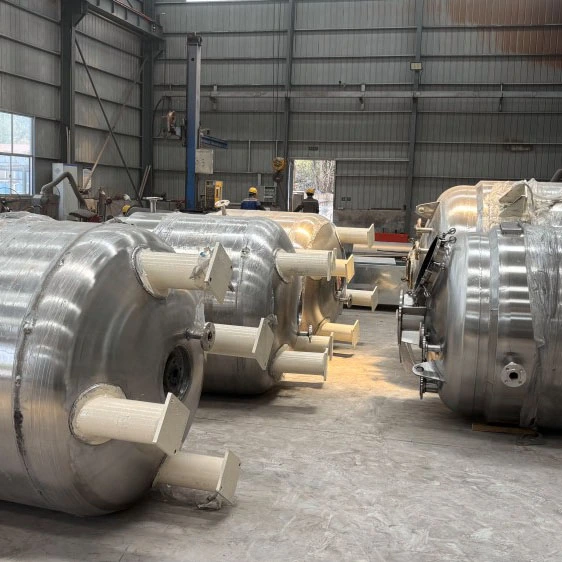
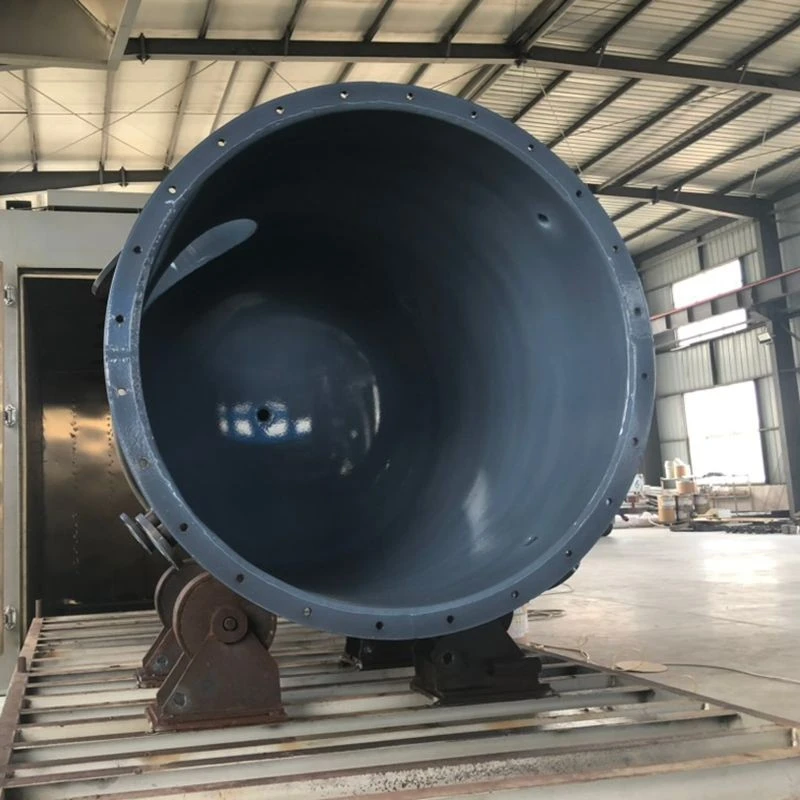
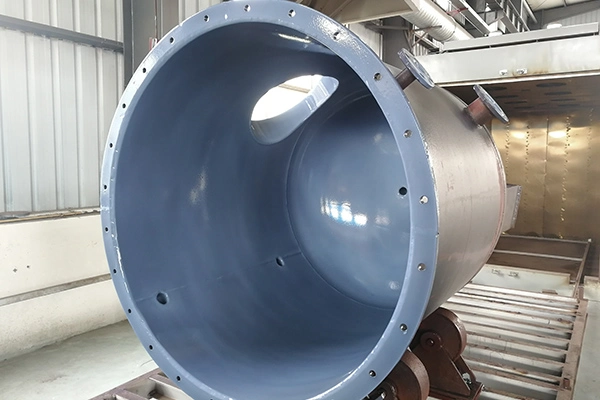
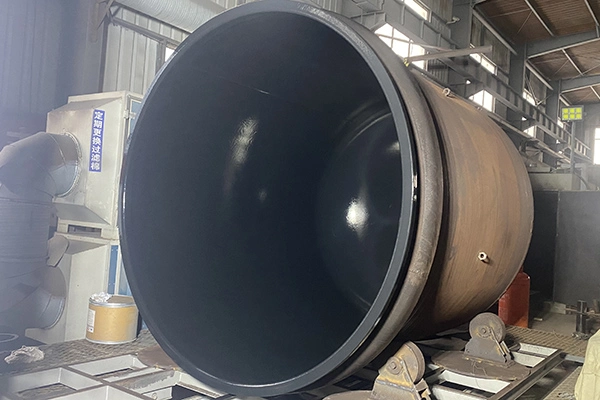
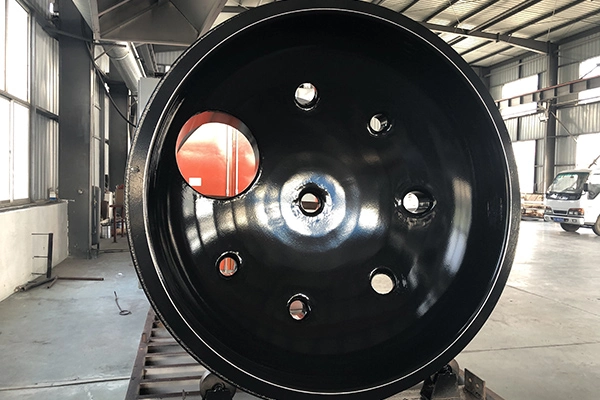
The PFA coated acid resistant process reactor offered by Zhuoyan factory from China, is a corrosion-resistant vessel that combines the mechanical strength of a carbon steel or stainless steel shell with a PFA (perfluoroalkoxy) internal coating. The spray-applied PFA lining creates a seamless, non-porous protective layer that prevents chemical attack on the metal substrate. Zhuoyan manufactures these reactors for handling highly corrosive media including concentrated acids, alkalis, and aggressive organic compounds. The coating process involves multiple spray applications followed by high-temperature sintering, resulting in a dense, uniform barrier with excellent adhesion properties. These reactors are available in various capacities and can be customized with different agitator types, heating/cooling systems, and accessory configurations to meet specific process requirements .
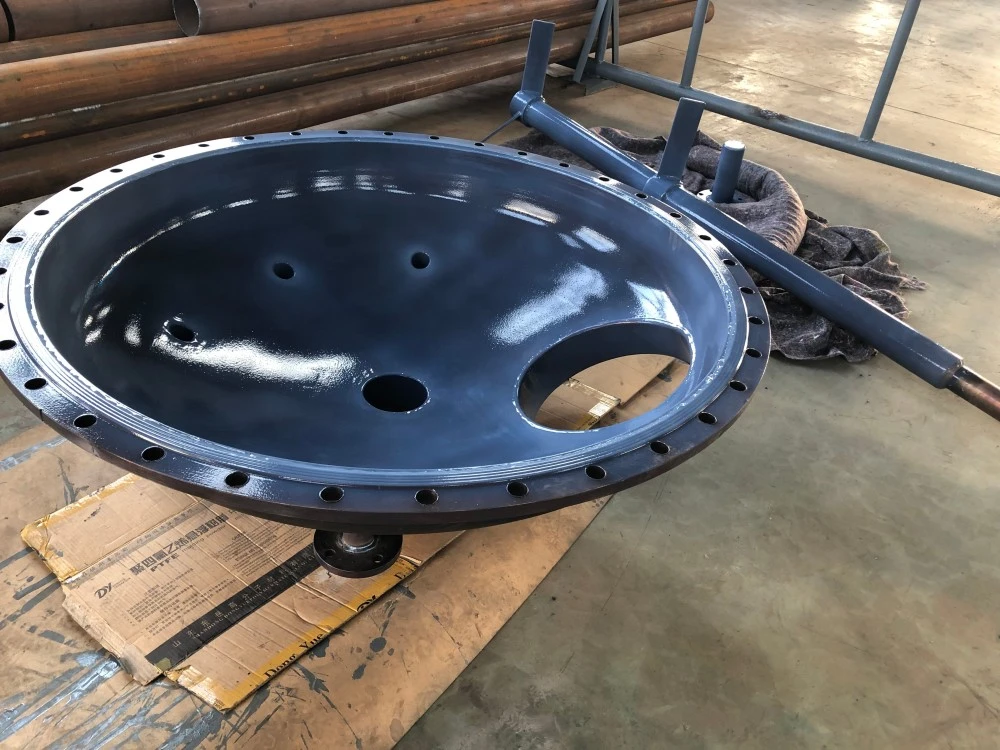
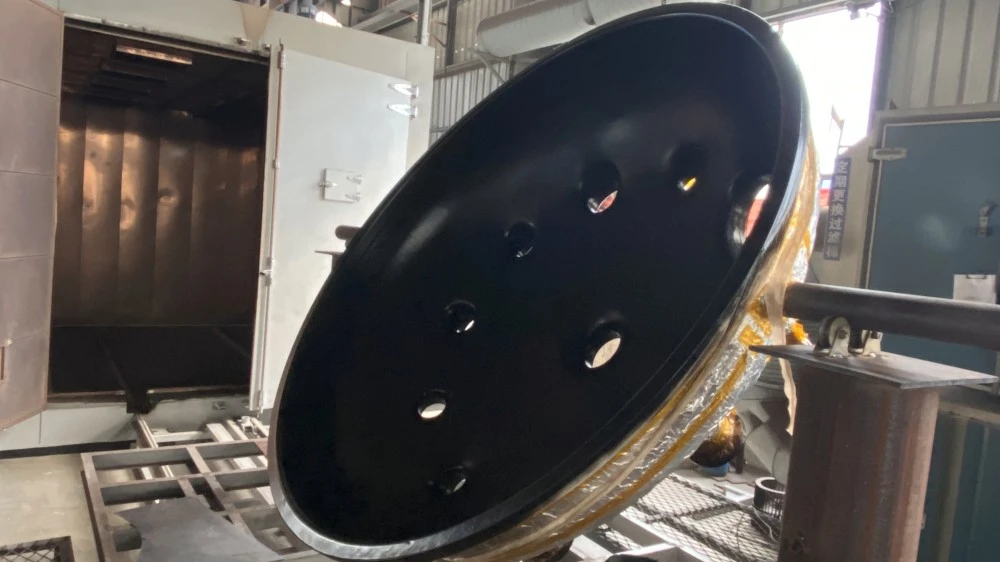
The PFA coating process is based on a spray-sintering technique that bonds fluoropolymer material to the steel substrate. The manufacturing procedure follows these steps:
Material Preparation: The reactor shell, typically constructed from carbon steel or stainless steel (SUS304/SUS316L), undergoes surface preparation including grinding, high-temperature degreasing, and sandblasting. This creates a clean, roughened surface that promotes coating adhesion .
Primer Application: A primer layer is sprayed onto the prepared surface and dried in a controlled-temperature oven. The primer establishes the initial bonding interface between the metal and the fluoropolymer .
Topcoat Build-up: Multiple topcoat layers are applied sequentially—typically six coats—with each layer undergoing sintering at temperatures between 300°C and 400°C. This repeated heating cycle ensures complete fusion of the PFA particles and eliminates porosity .
Final Sintering and Inspection: After the final coat, the reactor undergoes high-temperature sintering to achieve a dense, continuous lining. Quality inspection includes appearance inspection, coating thickness measurement, adhesion testing, and electrical discharge (spark) testing at 15KV-20KV to verify the integrity of the lining .
The combination of PFA material with the spray-sintering process results in a lining that is chemically inert, thermally stable, and mechanically bonded to the steel shell. PFA offers superior corrosion resistance compared to other fluoropolymers like PTFE, with improved anti-creep properties and better high-temperature performance .
| Parameter | Standard Configuration | Customization Range |
| Lining Material | PFA (Premium grade) | PTFE, ETFE, FEP available upon request |
| Shell Material | Carbon steel / SUS304 | SUS316L, other alloys on request |
| Coating Thickness | 2.3mm – 3mm | 1mm – 5mm, customizable |
| Operating Temperature | -80°C to +260°C | / |
| Design Pressure | Full vacuum to 0.6 MPa | Up to 2.5 MPa available |
| Capacity | 500L – 5000L | 50L – 150,000L, custom fabrication |
| Agitator Types | Anchor, frame, paddle, turbine | Scraper, combined types available |
| Heating/Cooling | Jacket (steam / thermal oil) | Half-pipe, internal coil, electric heating |
| Inspection | 100% spark testing (15KV-20KV) | Thickness gauge, adhesion testing |
When selecting a Zhuoyan PFA Coated Acid Resistant Process Reactor, the following factors should be considered:
Media Compatibility: PFA linings are chemically inert to most acids, alkalis, and organic solvents. However, for applications involving molten alkali metals or high-temperature elemental fluorine, alternative lining materials should be considered.
Operating Temperature: PFA linings are stable within a temperature range of -80°C to 260°C. For high-temperature processes outside this range, alternative lining materials should be considered.
Pressure Conditions: Standard reactors can withstand full vacuum up to 0.6 MPa. Higher pressure requirements can be met with reinforced shell designs and thicker lining configurations.
Agitation Requirements: Select the agitator type based on process viscosity, mixing intensity, and shear sensitivity. Anchor and frame agitators are suitable for high-viscosity materials; turbine and paddle agitators are better suited for low-viscosity fluids.
Customization Needs: Zhuoyan offers custom configurations, including dedicated insertion tubes, baffles, and heating/cooling systems to meet specific process parameter requirements.
Temperature Control: Avoid exceeding the recommended operating temperature range. Prolonged exceedance of the recommended operating temperature range may lead to material degradation.
Mechanical Protection: The PFA liner is resistant to chemical corrosion but may be damaged by sharp objects or heavy impacts. Handle with care during maintenance, cleaning, and loading.
Vacuum Operation: The sprayed PFA liner is designed to withstand full vacuum conditions, but sudden pressure changes should be avoided to prevent stress on the liner.
Cleaning Method: Use non-abrasive cleaning methods. The non-stick surface of PFA is easy to clean, but abrasive tools or rough mechanical cleaning may scratch the liner.
Regular Inspection: Regular spark testing and visual inspection are recommended to detect liner defects early. Regular thickness measurement helps monitor the long-term integrity of the liner.
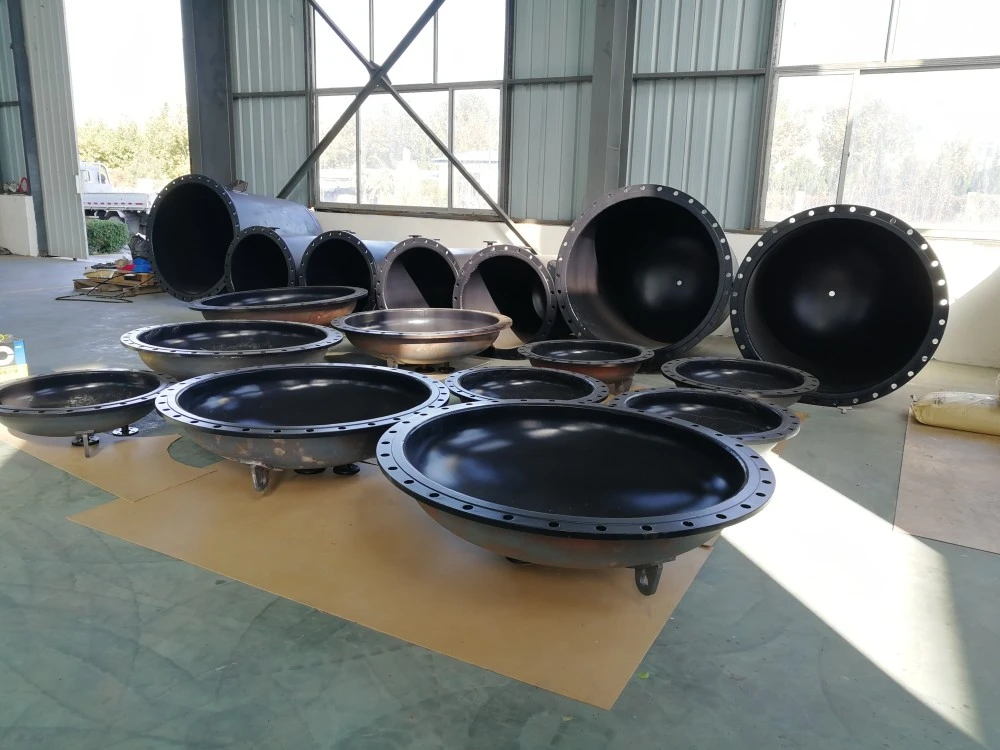
Chemical Processing: Handling corrosive reactions including acid chlorination, sulfonation, and nitration processes. Suitable for production of agrochemicals, dyes, and chemical intermediates .
Pharmaceutical Industry: API (active pharmaceutical ingredient) synthesis where product purity and corrosion resistance are critical. The PFA lining provides a clean, contaminant-free reaction surface .
Semiconductor Industry: Production and storage of etching chemicals, high-purity solvents, and wet process chemicals where metallic ion contamination must be minimized .
Fluorochemical Industry: Handling hydrogen fluoride, fluorinated intermediates, and related aggressive media. The PFA lining offers chemical resistance essential for fluorine-based processes .
Environmental Engineering: Treatment of acidic wastewater, flue gas desulfurization, and other corrosive environmental applications .
A1: With proper operation and maintenance, the PFA lining can provide 5+ years of reliable service. Actual service life depends on operating conditions, media aggressiveness, and maintenance practices. Regular inspection is recommended to monitor coating condition .
A2: Yes, the spray-applied PFA coating is designed to withstand full vacuum conditions. The seamless coating with strong adhesion prevents the lining from collapsing or delaminating under vacuum .
A3 : Zhuoyan offers reactors from 50L laboratory-scale units to 150,000L industrial vessels. Custom sizes and configurations can be engineered to meet specific process requirements .
A4: Each reactor undergoes 100% spark testing (15KV-20KV) to detect any pinholes or defects in the lining. Additional inspection includes visual appearance check, coating thickness measurement, and adhesion testing .
Address
80 Min’an Road, High-tech Zone, Zibo City, Shandong Province, China
Tel