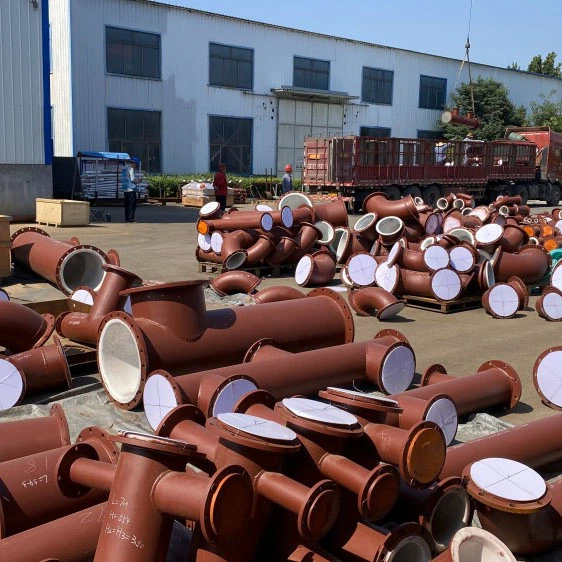
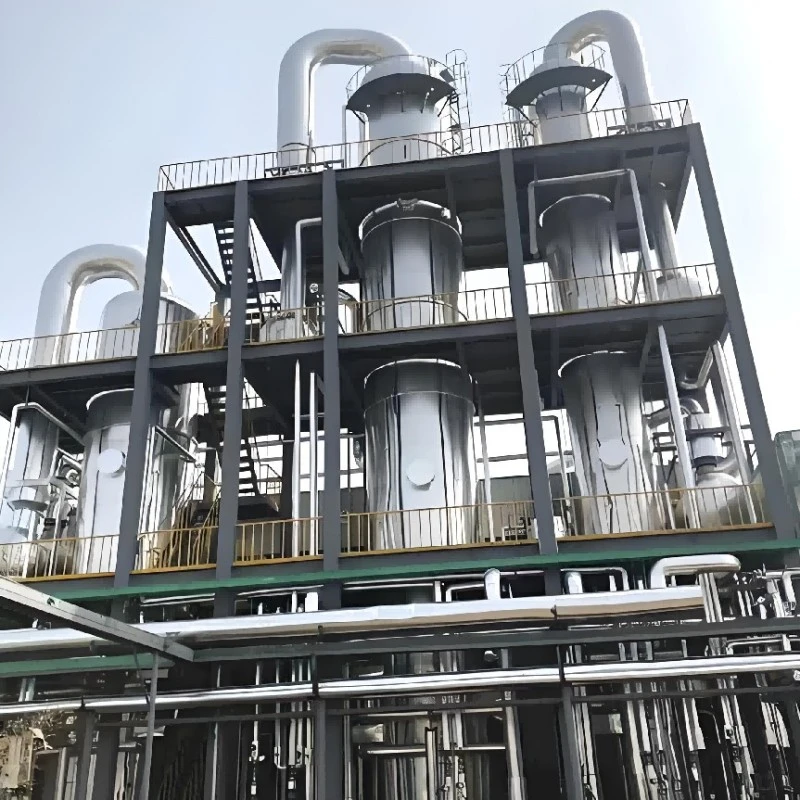
Our product range includes PTFE sheet-lined equipment, PTFE spraying and roller coating, plastic-lined equipment, PTFE-lined steel pipes and fittings, and related fluoropolymer components made from PTFE, PFA, ETFE, FEP and other advanced materials.
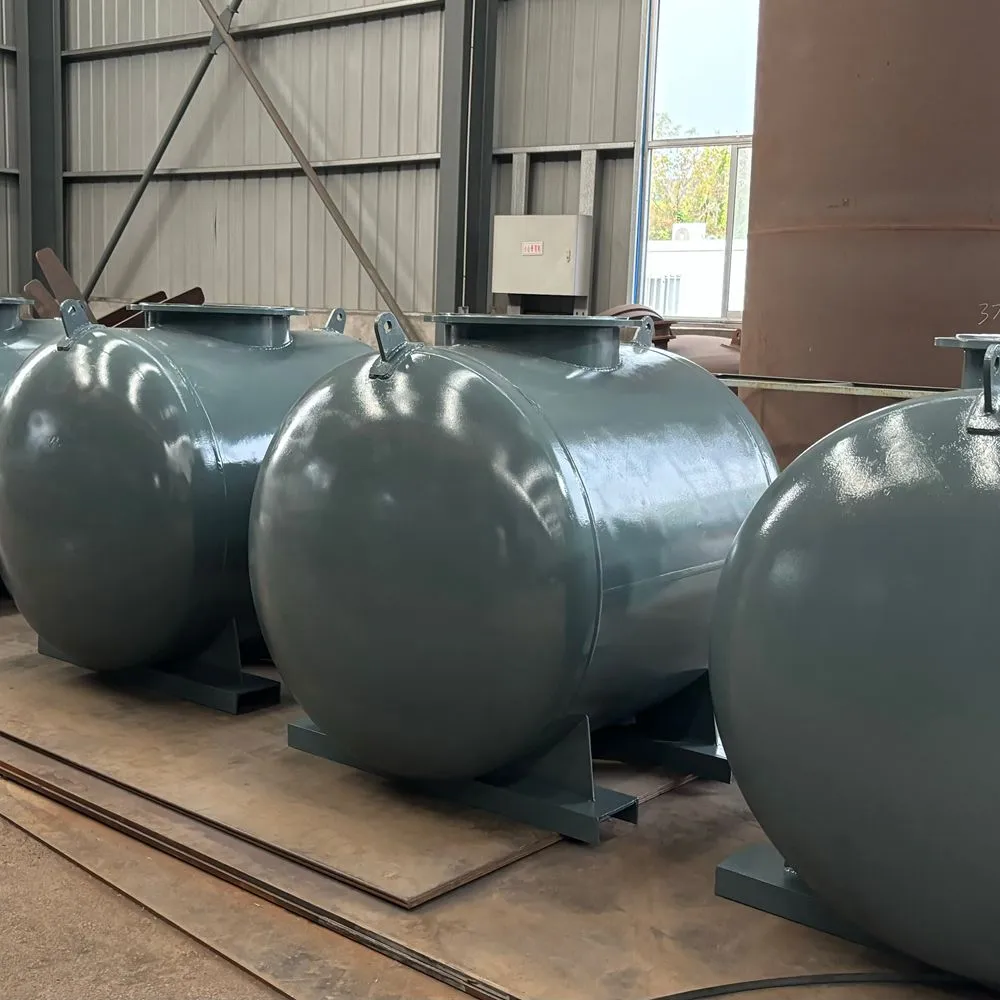
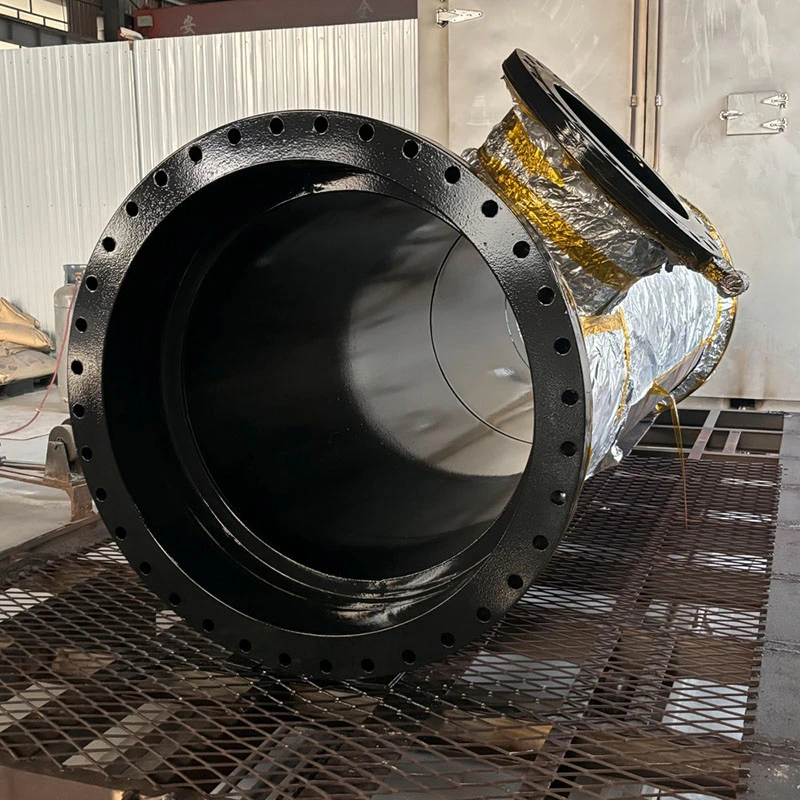
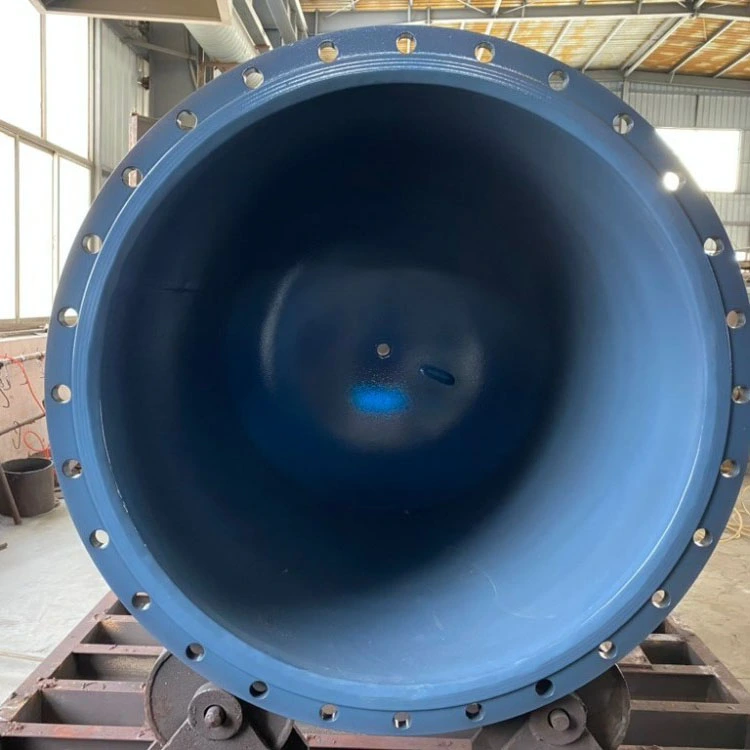
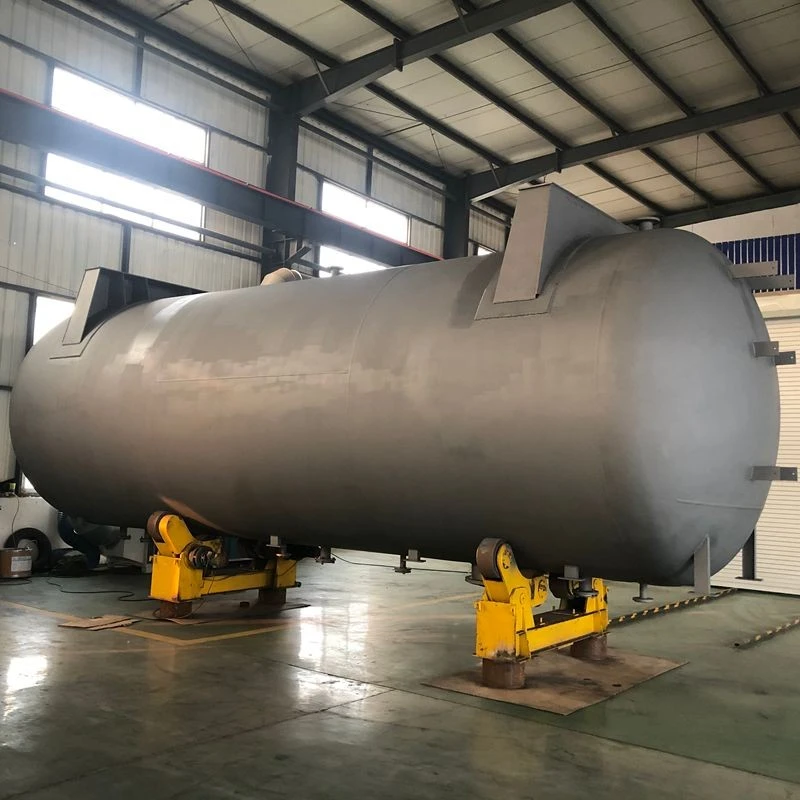
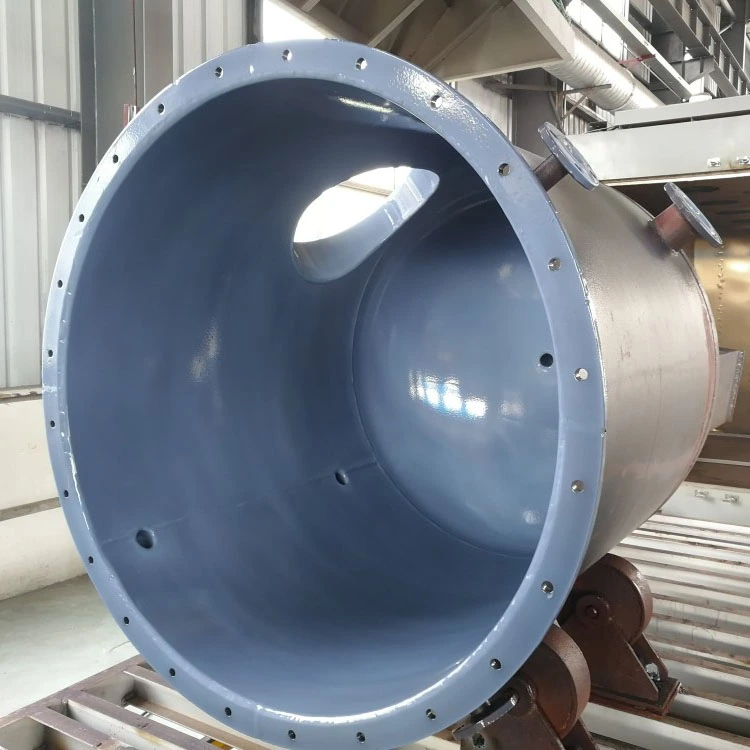
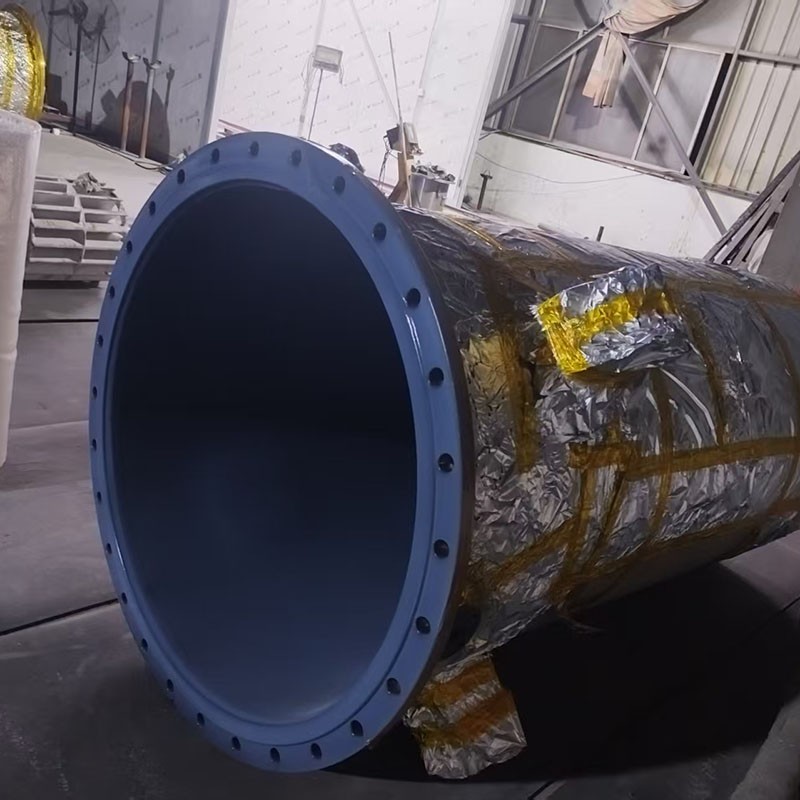
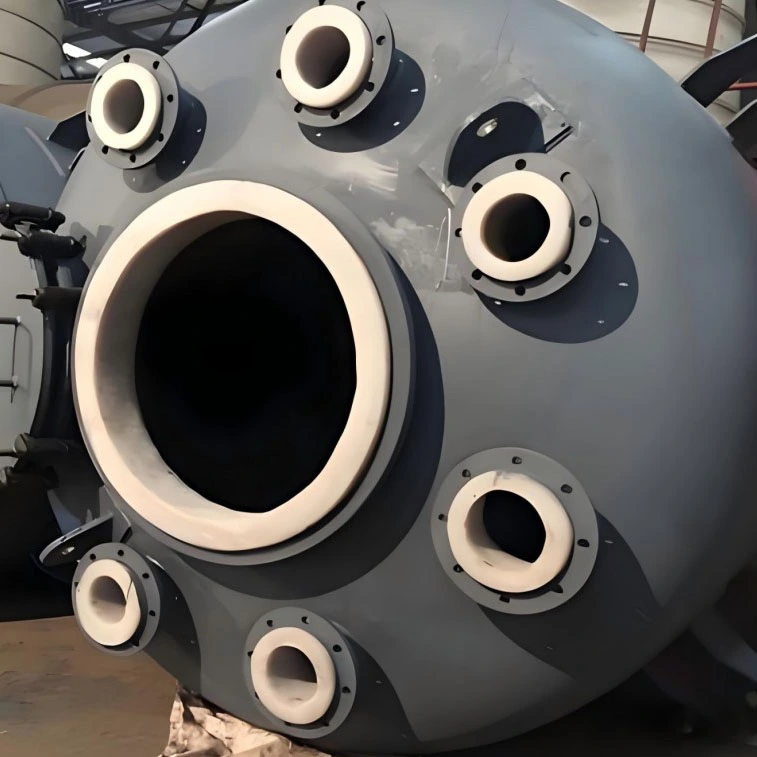
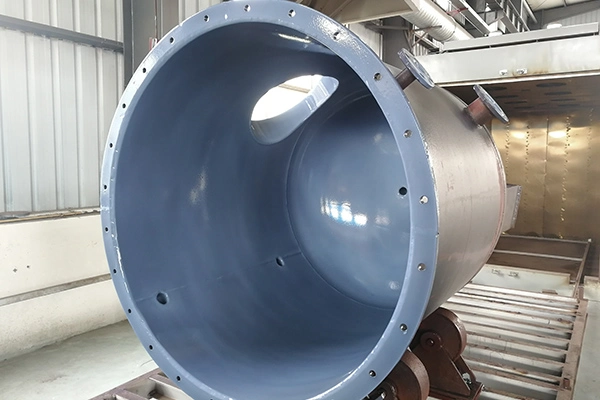
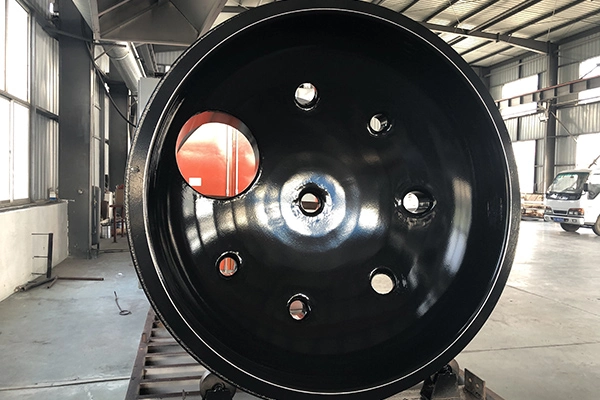
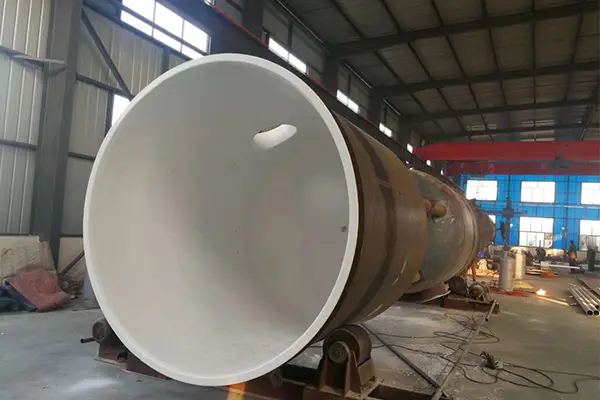
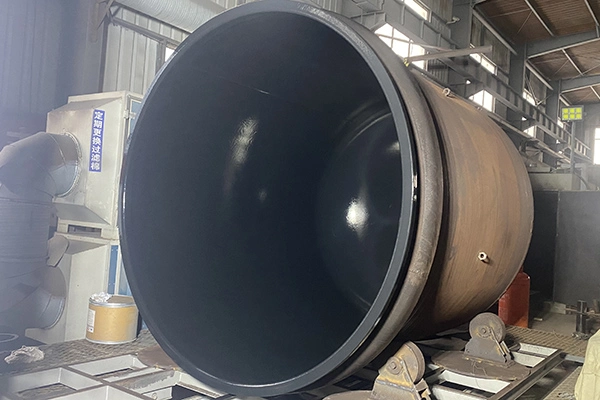
Zhuoyan PFA coated industrial chemical process receiver tank is a key component in chemical processing systems. The equipment consists of a metal outer shell—available in carbon steel or stainless steel—with an internal fluoropolymer coating applied through electrostatic spraying. This design provides protection against corrosion while maintaining the structural integrity required for industrial operations.
The PFA coating creates a barrier between the stored chemicals and the metal substrate, reducing the risk of contamination and extending equipment service life. These tanks are commonly used in pharmaceutical manufacturing, chemical synthesis, semiconductor production, and other industries where process fluids must be contained without degradation or contamination.
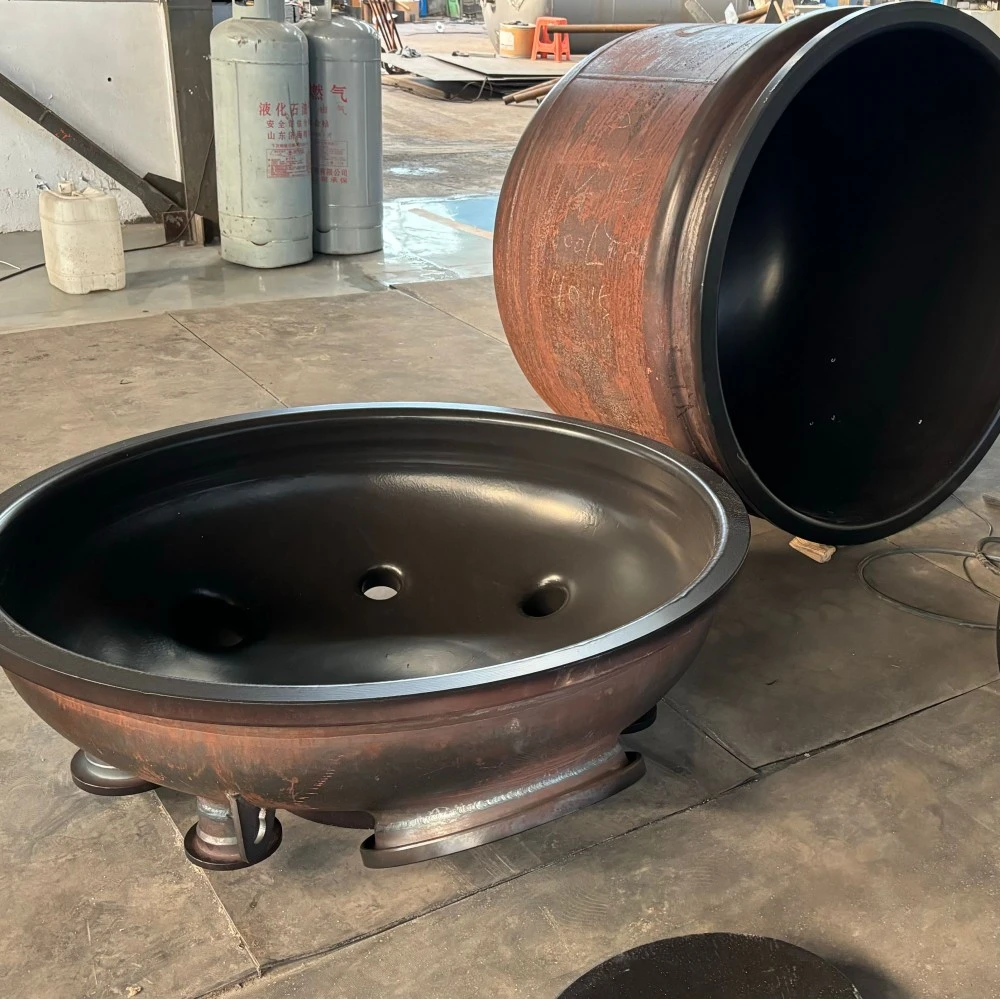
A PFA Coated Industrial Chemical Process Receiver Tank is a vessel used to collect and temporarily store liquids, condensates, or process intermediates in a chemical system. The Zhuoyan PFA coated version is distinguished by its internal fluoropolymer coating, which protects the metal shell from chemical attack.
The PFA (perfluoroalkoxy) coating is applied to the tank's interior surfaces using an electrostatic spraying process, followed by high-temperature sintering to form a uniform, pinhole-free layer. This layer serves as a protective interface between the metal substrate and the chemicals being processed.
The Zhuoyan PFA coated industrial chemical process receiver tank provides several benefits for industrial chemical applications:
Chemical Resistance: The PFA coating resists attack from a broad spectrum of chemicals, including strong acids, caustic alkalis, and various organic solvents. This extends the range of processes the equipment can handle.
Product Purity Protection: The inert coating prevents metal ions from leaching into the process fluid, which is important for applications with purity requirements, such as pharmaceutical or electronic chemical production.
Non-Stick Surface: The low surface energy of PFA reduces product buildup on tank walls, which can simplify cleaning and reduce material loss between batches.
Temperature Capability: PFA coatings maintain stability across a temperature range that accommodates many industrial processes, from ambient to elevated temperatures.
Durable Construction: The metal outer shell provides mechanical strength to withstand internal pressures and vacuum conditions, while the coating protects the shell from corrosion.
| Parameter | Specification |
| Shell Material | Carbon steel or stainless steel (304/316L) |
| Coating Material | PFA (perfluoroalkoxy) |
| Coating Application | Electrostatic spraying + sintering |
| Capacity Range | Customizable per process requirements |
| Working Temperature | Up to 150°C (depends on model and conditions) |
| Pressure Rating | Atmospheric to 1.0 MPa (customizable) |
| Mounting Orientation | Vertical or horizontal |
| Coating Thickness | Typically 0.2–1.0 mm |
| Surface Finish | Smooth, pinhole-free |
| Standards | Custom engineered per client specifications |
| Note: Specifications may vary based on specific customer requirements. | |
Error 1: Using abrasive cleaning tools
Some operators may use wire brushes or metal scrapers to clean the interior surface. These tools can scratch the PFA coating and create sites for potential corrosion or contamination.
Correct practice: Use plastic or rubber scrapers, and clean with compatible solvents or high-pressure water/steam when appropriate. Always refer to the chemical compatibility chart before applying solvents.
Error 2: Exceeding recommended temperature limits
Subjecting the tank to temperatures above the coating's rated range can accelerate degradation and shorten service life.
Correct practice: Confirm process operating temperatures remain within the tank's specifications. If processes involve temperature cycling, ensure the tank design accommodates thermal expansion.
Error 3: Ignoring regular inspection
Some facilities wait until visible damage appears before checking the coating condition. By this time, corrosion may have already started beneath the coating layer.
Correct practice: Conduct routine visual inspections of coating surfaces. Pay particular attention to flange areas and entry points where mechanical damage is more likely to occur.
Error 4: Using the tank without confirming chemical compatibility
Not all chemicals interact with PFA in the same way. Some substances, particularly under certain temperature or concentration conditions, may affect coating performance.
Correct practice: Consult chemical compatibility data for PFA before introducing any new process fluid into the tank.
Shipping and Packaging
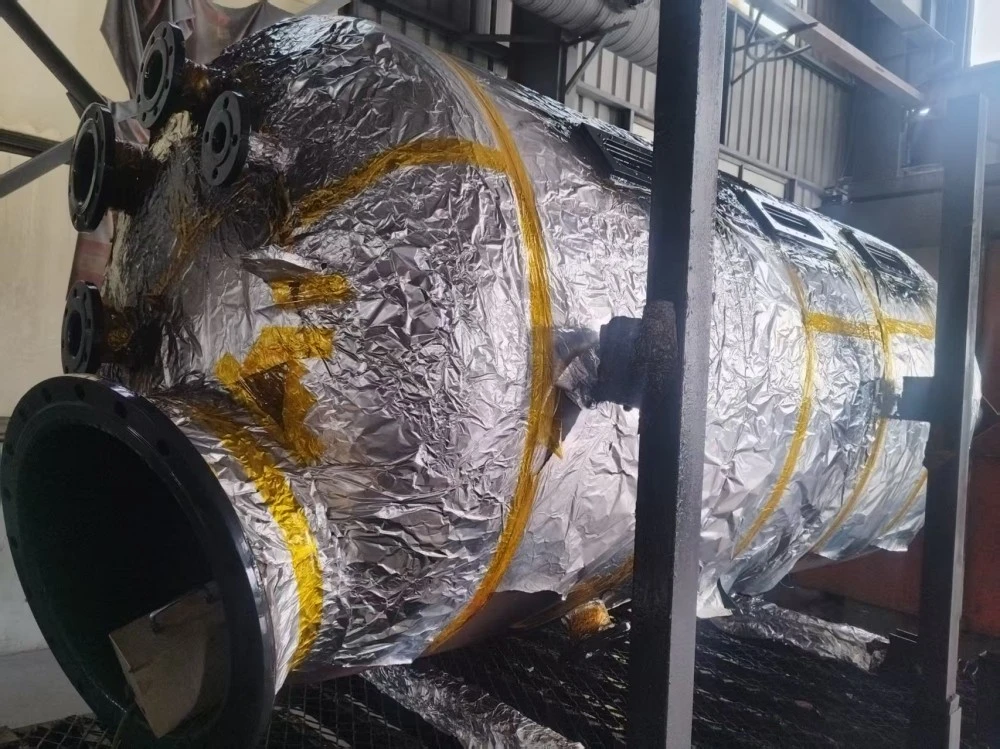
Zhuoyan takes care to ensure each PFA coated receiver tank arrives in proper condition. Protective covers are applied to all flange faces to guard against damage during transit. The tank is securely braced and cushioned within the shipping crate to prevent movement or impact.
All packaging materials are selected to provide adequate protection against the rigors of shipping while allowing for safe and efficient unloading upon arrival.
A1: Both are fluoropolymers with chemical resistance. PFA is melt-processable and can be applied as a coating via spraying, while PTFE is not melt-processable and is typically applied as a sheet lining. PFA offers better adhesion to the substrate in coated applications.
A2: Zhuoyan offers custom sizing based on customer process requirements. Please contact us with your specific application needs, and we will provide recommendations.
A3: Use plastic or rubber tools for mechanical cleaning. For chemical cleaning, use solvents compatible with PFA—most common organic solvents and acids are acceptable. Avoid abrasive materials that can scratch the coating surface.
A4: Yes, but the tank design must account for vacuum service. The metal shell provides structural strength, and the coating must be properly applied to withstand vacuum pressures. Confirm your vacuum requirements when ordering.
A5: Lead times depend on the specific design and capacity. Contact our sales team with your requirements for a detailed delivery schedule.
Address
80 Min’an Road, High-tech Zone, Zibo City, Shandong Province, China
Tel