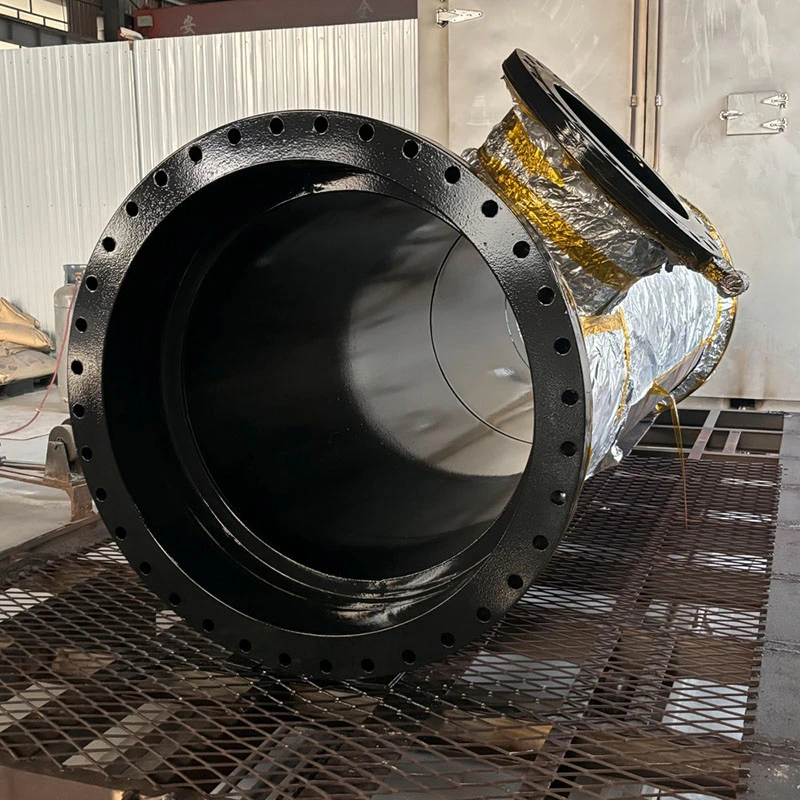
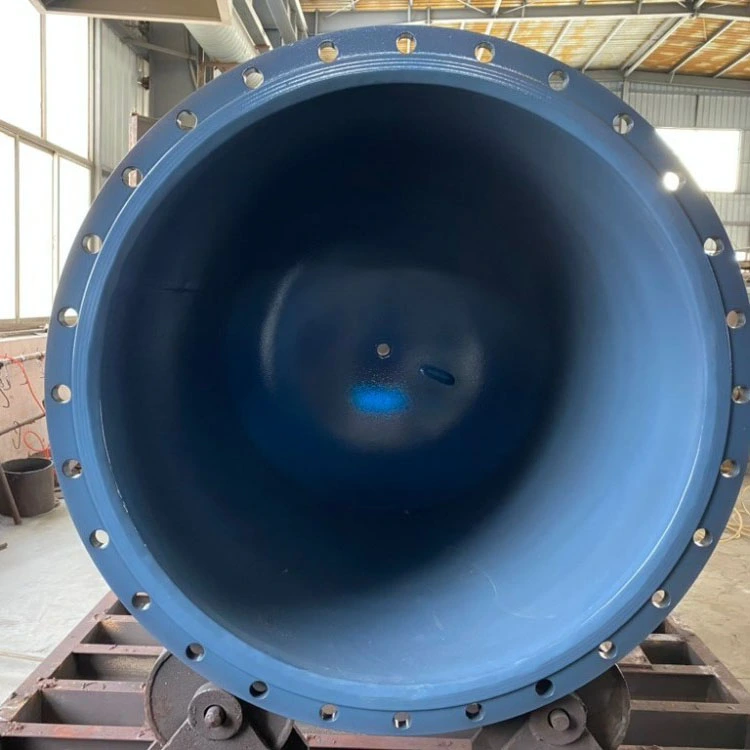
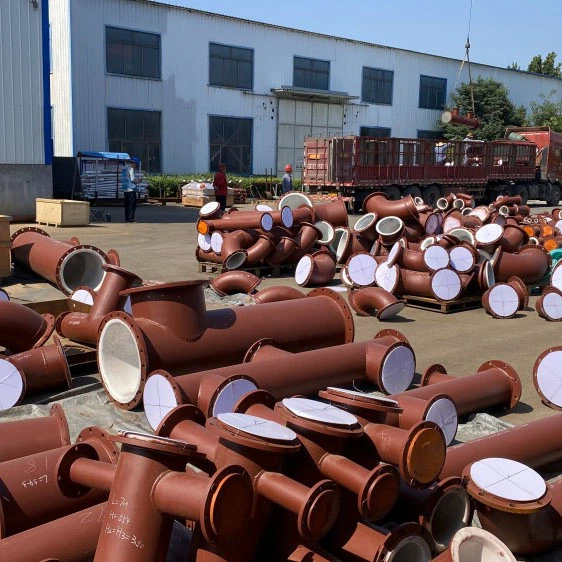
Our product range includes PTFE sheet-lined equipment, PTFE spraying and roller coating, plastic-lined equipment, PTFE-lined steel pipes and fittings, and related fluoropolymer components made from PTFE, PFA, ETFE, FEP and other advanced materials.
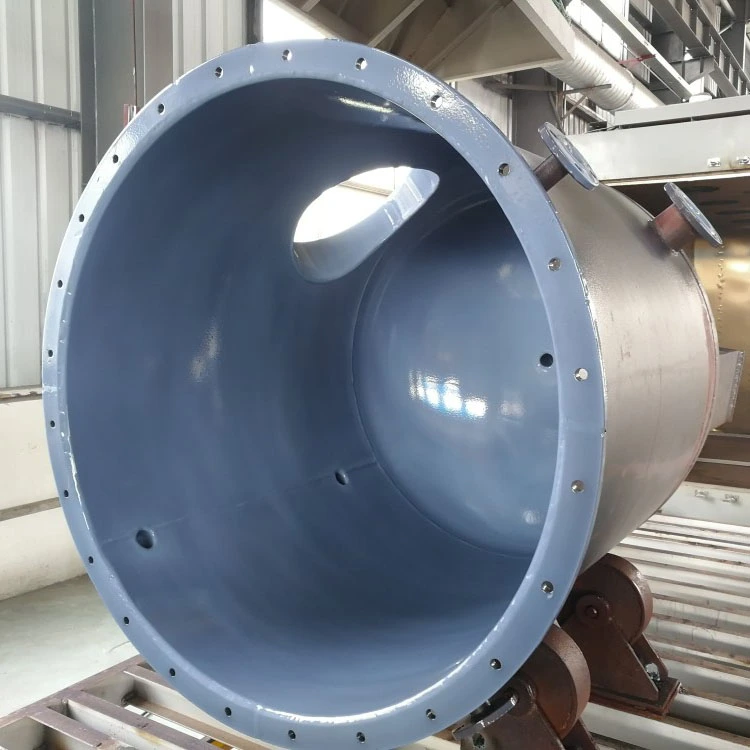
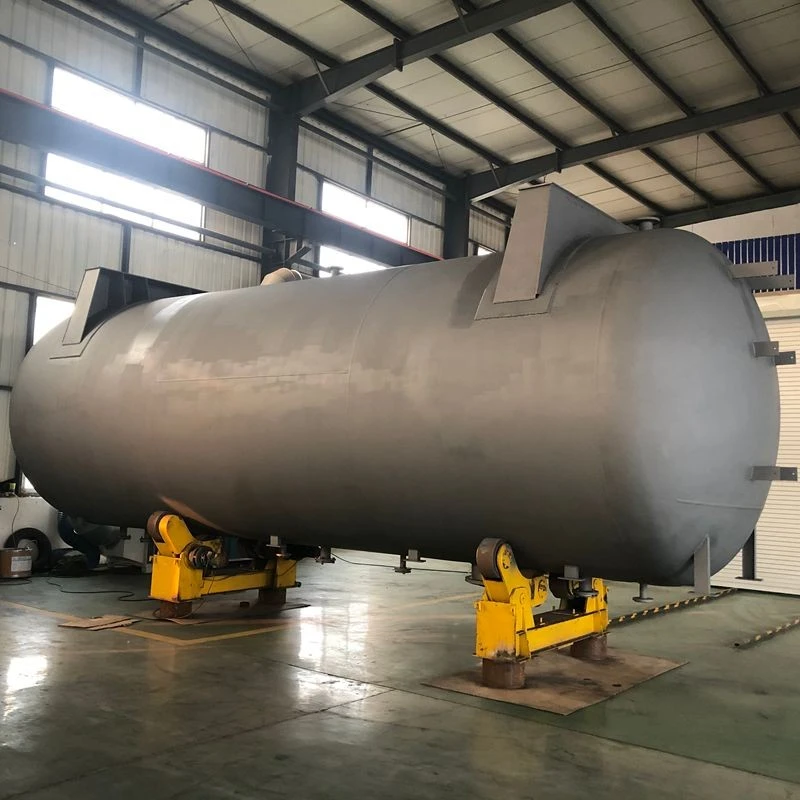
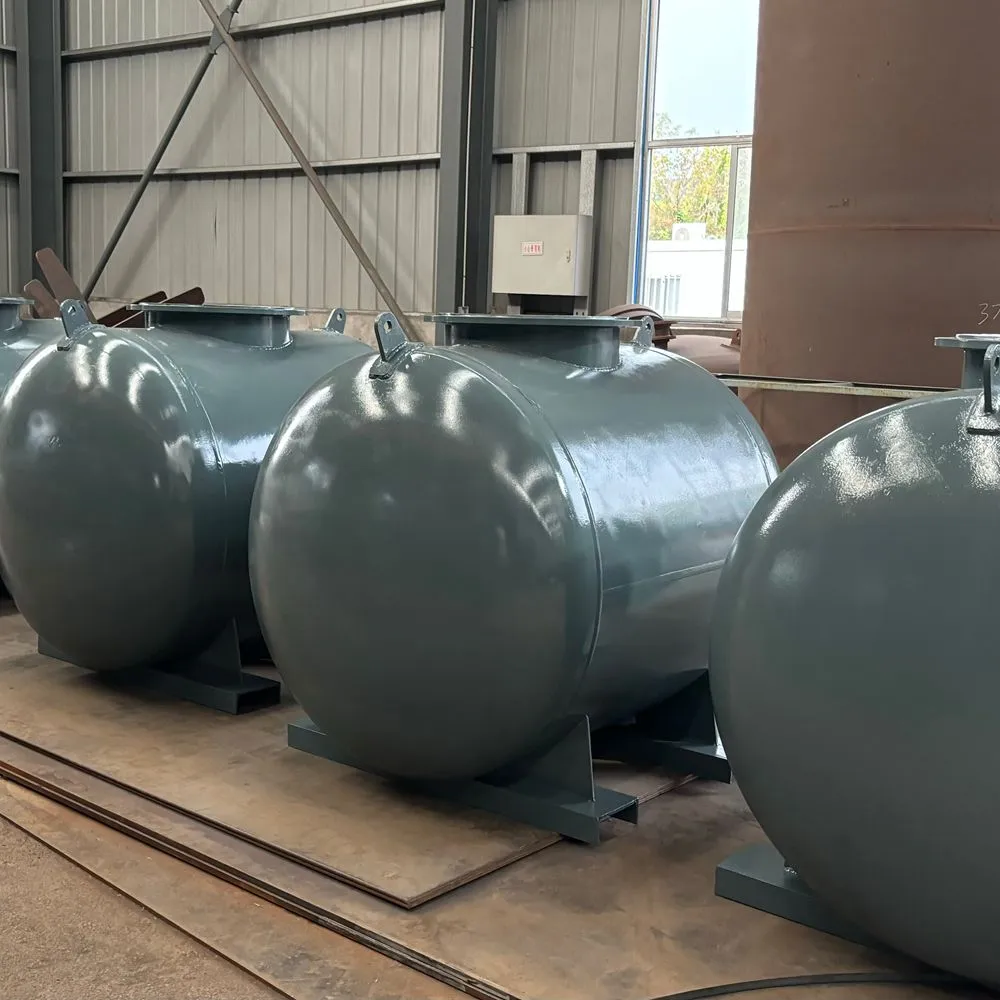
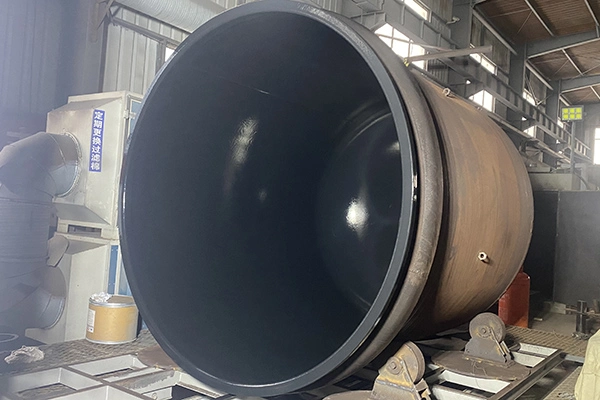
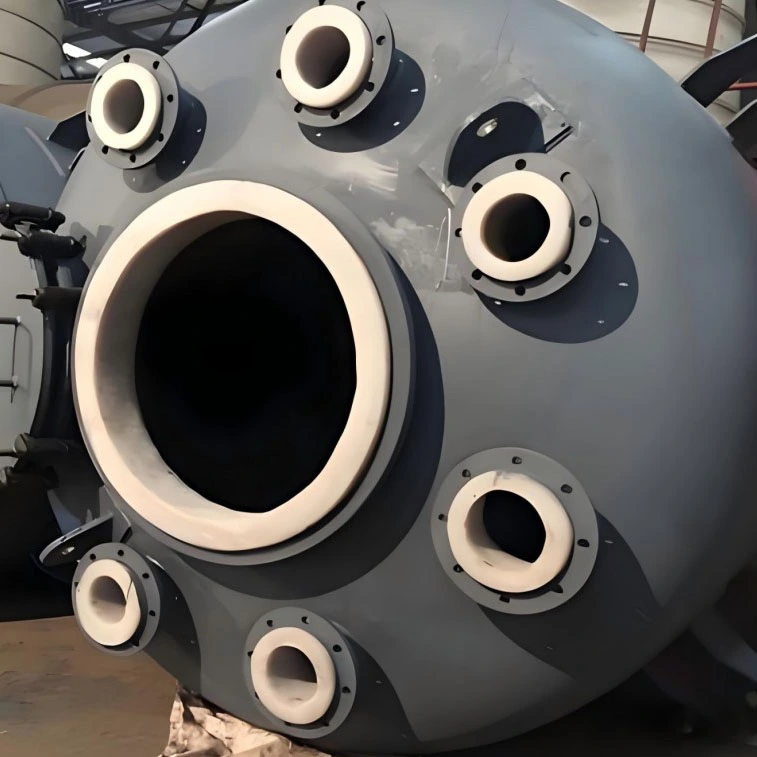
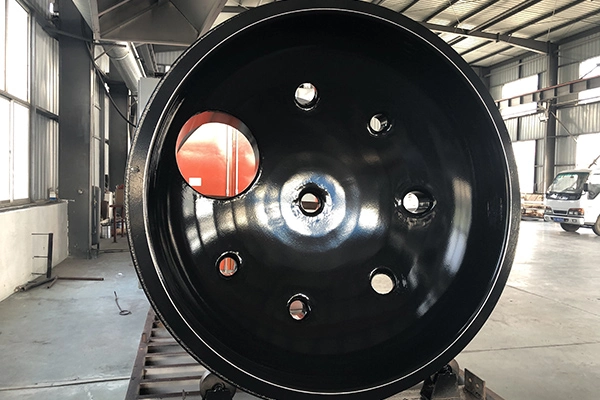
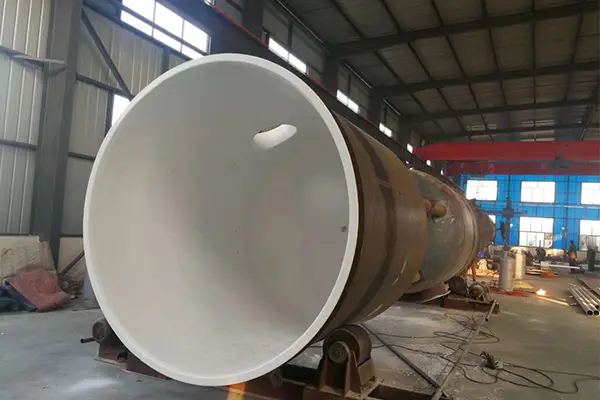
The PFA coated chemical reaction product receiver tank from Zhuoyan serves as a collection vessel for chemical process outputs. It is used in pharmaceutical, chemical, and petrochemical industries where corrosion resistance and product purity are primary concerns. The steel shell with PFA inner coating offers mechanical strength combined with chemical inertness, making it suitable for handling various acids, bases, and organic solvents.
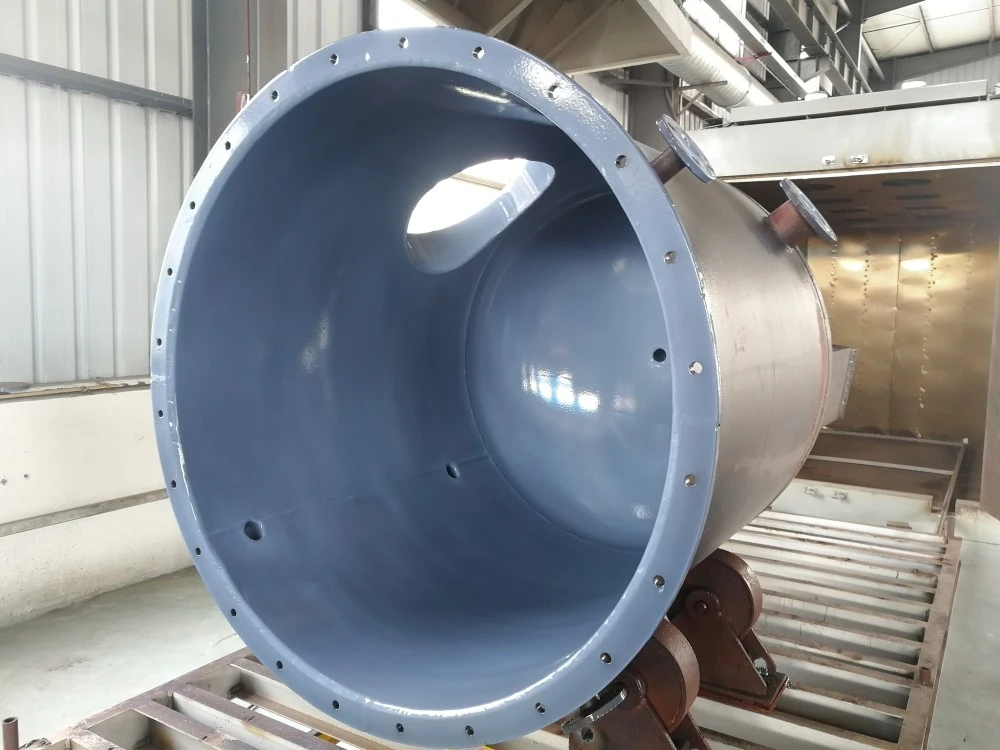
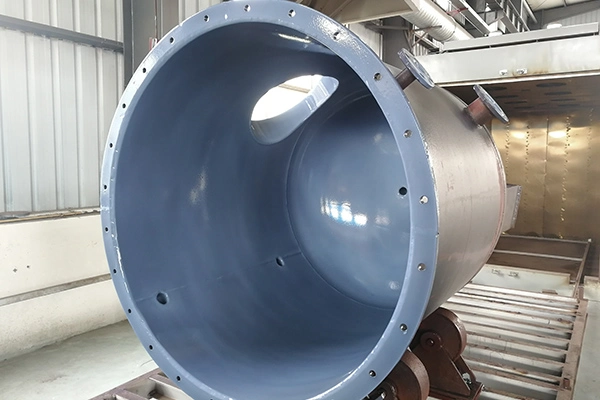
A PFA Coated Chemical Reaction Product Receiver Tank is a vessel used to collect and temporarily store chemical reaction products. The tank consists of a carbon steel or stainless steel shell with a PFA (perfluoroalkoxy) coating applied to the internal surface. This coating creates a protective barrier between the metal substrate and the process media. The tank can be configured for vertical or horizontal mounting and is available in various capacities to suit different production scales. Connection ports, manways, and instrumentation openings are typically incorporated based on specific process requirements.
1. Broad Chemical Resistance: The PFA coating provides protection against a wide range of corrosive media, including inorganic acids, alkalis, and organic solvents.
2. Wide Temperature Range: The equipment operates stably across a broad temperature range, accommodating various reaction and collection conditions.
3. Product Purity Protection: The inert, non-stick PFA surface minimizes residue adhesion and reduces the risk of product contamination.
4. Durable Composite Construction: The steel shell provides mechanical strength, while the PFA inner coating offers chemical protection, suitable for both pressure and vacuum service.
5. Quality Assurance from Zhuoyan: Zhuoyan holds ISO 9001, ISO 14001, and ISO 45001 certifications, along with a PRC Special Equipment Production License (Class D, medium and low-pressure vessels). The company also owns multiple patents in fluoroplastic anti-corrosion technology.
Material — PFA Coating
PFA (perfluoroalkoxy) is a fluoropolymer that combines the chemical resistance of PTFE with the melt-processability of conventional thermoplastics. The material contains no additives or fillers that could leach into process media. PFA offers a maximum continuous service temperature and remains stable across a wide pH range.
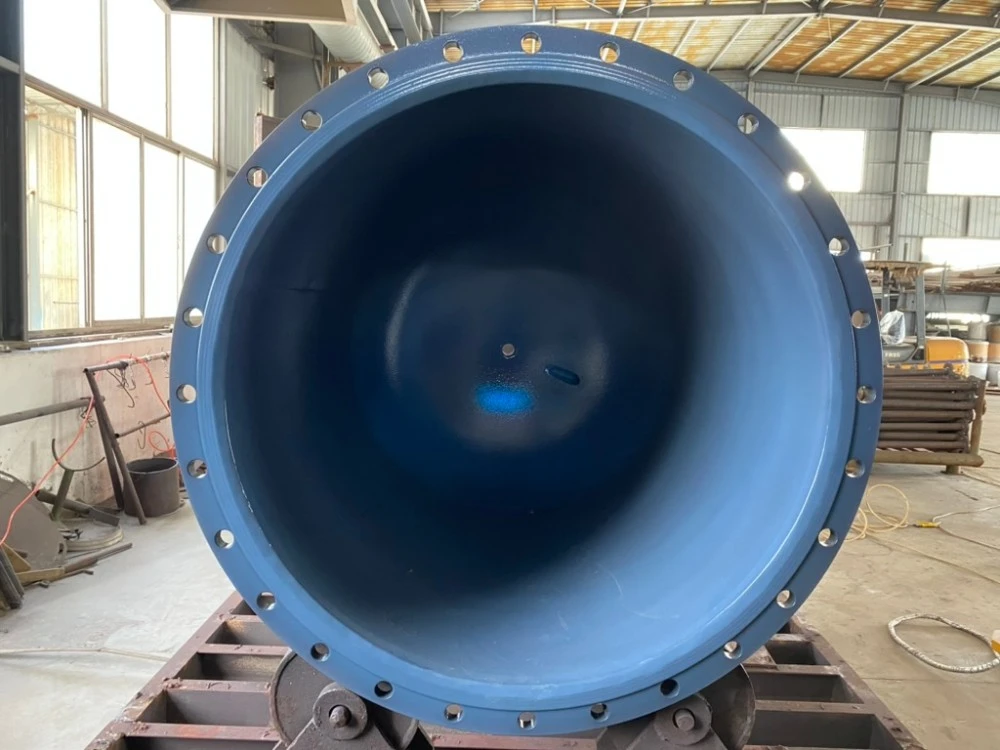
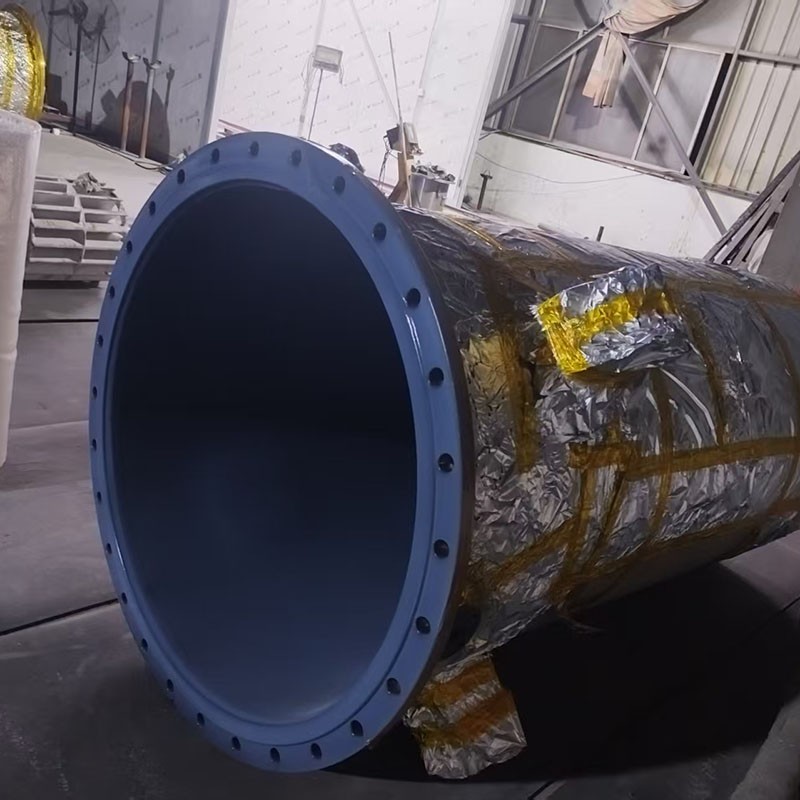
The PFA coating is applied to the prepared steel surface through a spray or electrostatic powder coating process. The coated tank is then subjected to a controlled curing cycle where the PFA particles melt and fuse to form a continuous, uniform film. This process ensures adhesion between the coating and the substrate while producing a smooth surface finish. Quality control measures include thickness verification and spark testing to detect any coating imperfections.
| Parameter | Specification / Range |
| Shell Material | Carbon steel / Stainless steel 304 / 316L |
| Coating Material | PFA (Perfluoroalkoxy) |
| Capacity Range | Customized (typical range: 50L – 20,000L) |
| Design Pressure | Up to 1.0 MPa (depending on design) |
| Operating Temperature | -80°C to 260°C |
| Coating Thickness | Typically 0.8 – 3.0 mm |
| Mounting Type | Vertical or Horizontal |
| Specifications are based on standard design configurations. Custom requirements can bediscussed. | |
1. Incorrect: Using metal tools for internal cleaning.
Metal tools may scratch or damage the PFA coating, compromising its protective function and creating potential sites for localized corrosion.
Correct: Use soft, non-abrasive brushes or cloths for cleaning.
Soft cleaning tools help preserve the integrity of the PFA surface and extend service life.
2. Incorrect: Exposing the tank to temperatures beyond the PFA's rated limit.
Operating above the maximum temperature can cause the coating to soften or degrade, leading to premature failure.
Correct: Operate within the specified temperature range.
Adhering to the recommended operating temperature ensures optimal coating performance and service life.
3. Incorrect: Ignoring mechanical impact during operation or maintenance.
Sharp impacts or heavy loads against the coated surface can cause chipping or cracking of the PFA layer.
Correct: Handle with care and use protective covers during maintenance.
Preventing mechanical damage helps maintain coating integrity and consistent corrosion protection.
Comparison Highlights: Compared to glass-lined or bare stainless steel receiver tanks, PFA coated tanks offer distinct advantages in certain applications. Glass-lined equipment may be susceptible to thermal shock and mechanical damage, while bare stainless steel can suffer corrosion when handling chlorides or strong acids. PFA coatings bridge this gap by providing a corrosion-resistant barrier that is more tolerant to temperature changes and mechanical stress than glass, while offering protection that bare metals cannot match.
Why choose us: Zhuoyan applies PFA coatings with attention to process control and quality assurance. The company's approach includes surface preparation, coating application, and inspection procedures. Zhuoyan also provides technical support regarding equipment selection, installation guidance, and after-sales service. The company's focus on quality aims to deliver chemical processing equipment that meets industry requirements.
A1: Service life depends on operating conditions, including media type, temperature, and pressure. With proper operation and maintenance, the equipment is expected to provide long-term service. The specific lifespan can be discussed based on your process parameters.
A2: Visual inspection and spark testing are commonly used methods. Regular inspection intervals should be established based on the severity of service conditions. Any signs of damage should be addressed promptly.
A3: Small areas of damage can often be repaired using approved PFA patching materials and procedures. For more extensive damage, a complete recoating may be recommended. Contact Zhuoyan for repair guidance.
A4: Lead time depends on the tank size, configuration, and order quantity. Typical production schedules can be provided upon request.
A5:Yes, installation drawings, manuals, and remote technical guidance are availabl
Address
80 Min’an Road, High-tech Zone, Zibo City, Shandong Province, China
Tel