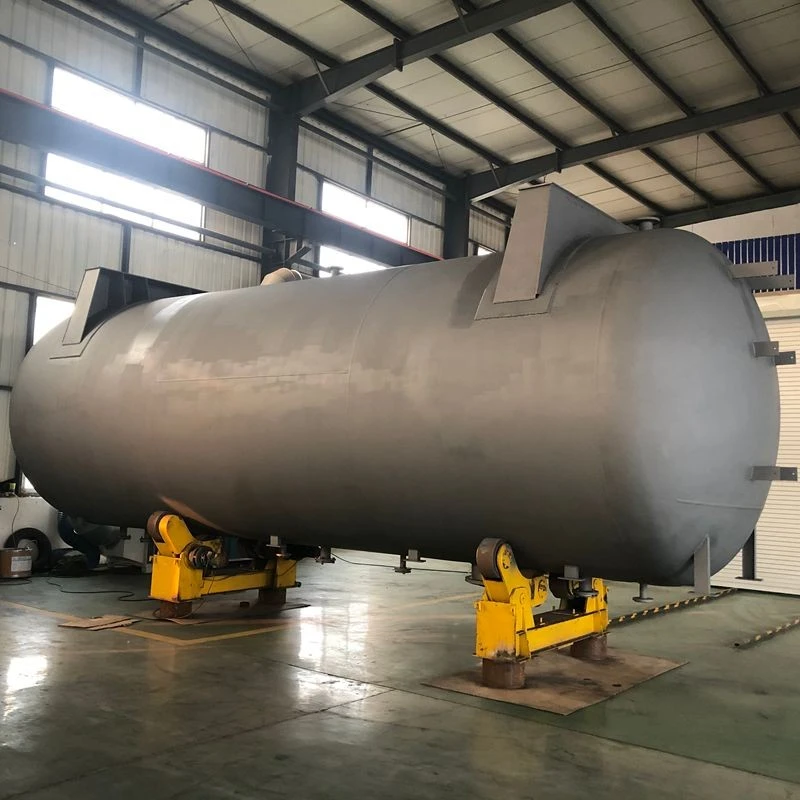
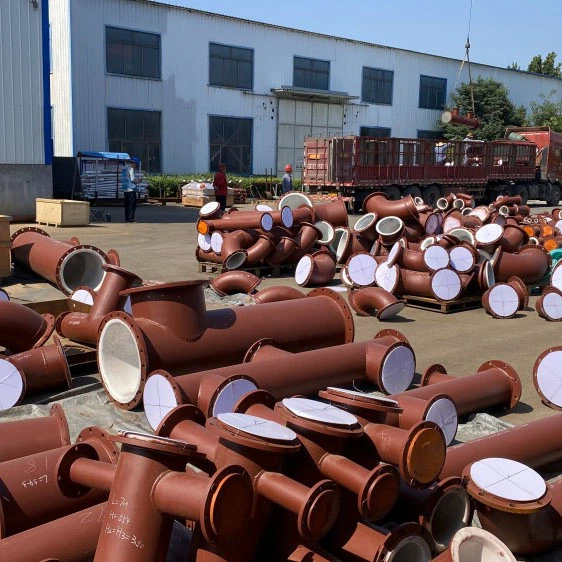
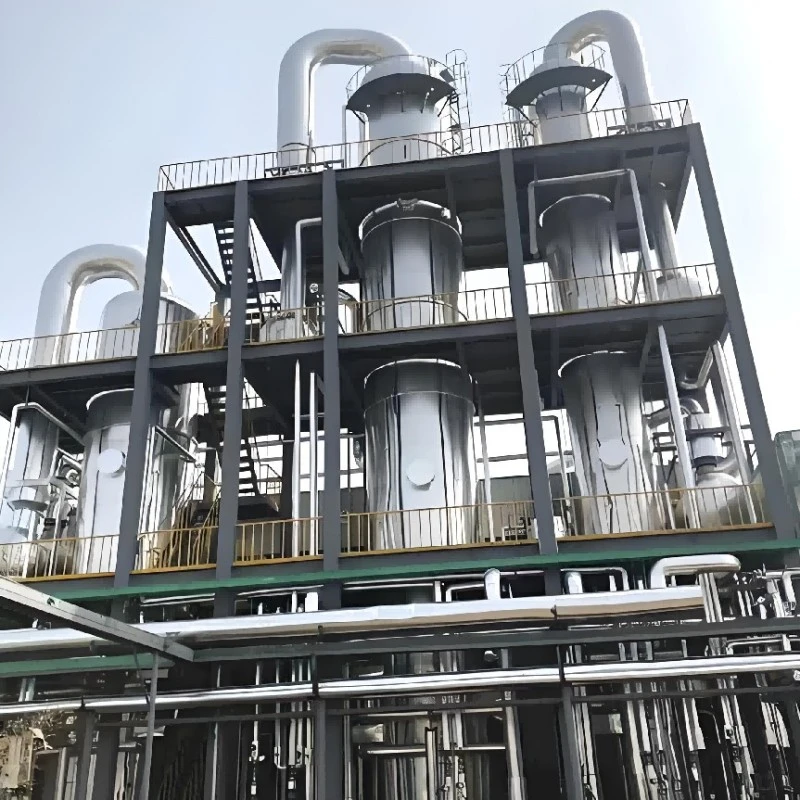
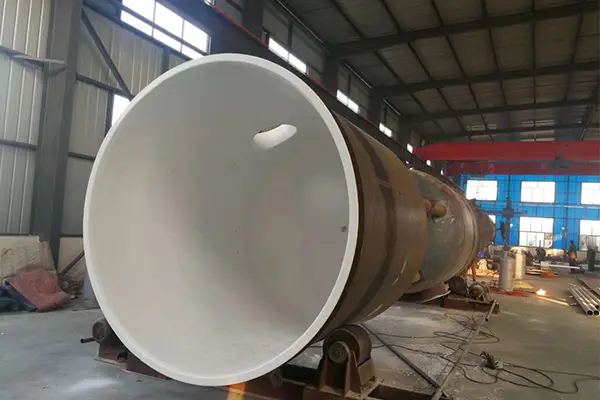
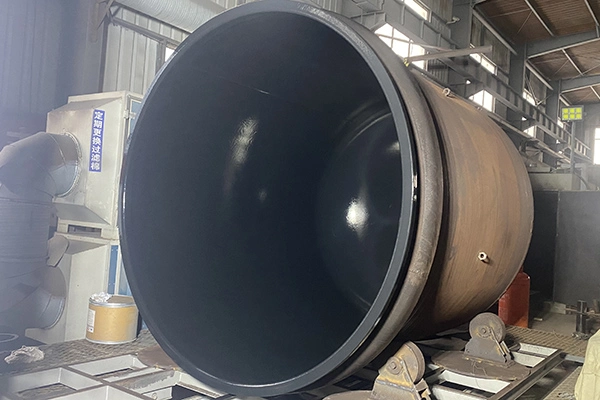
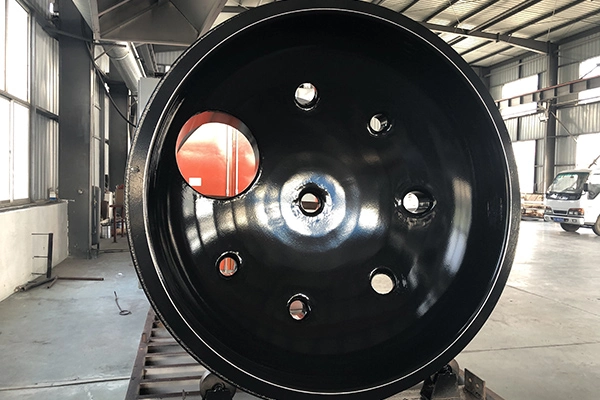
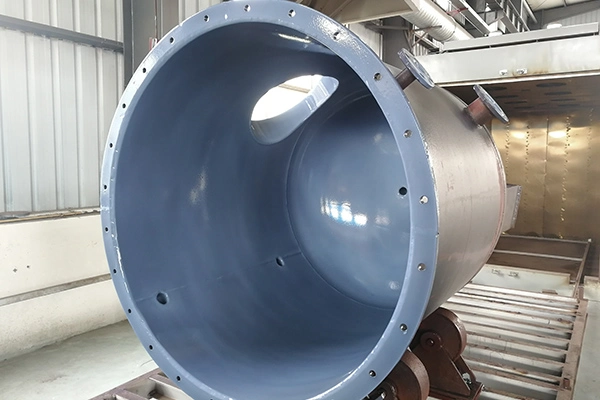
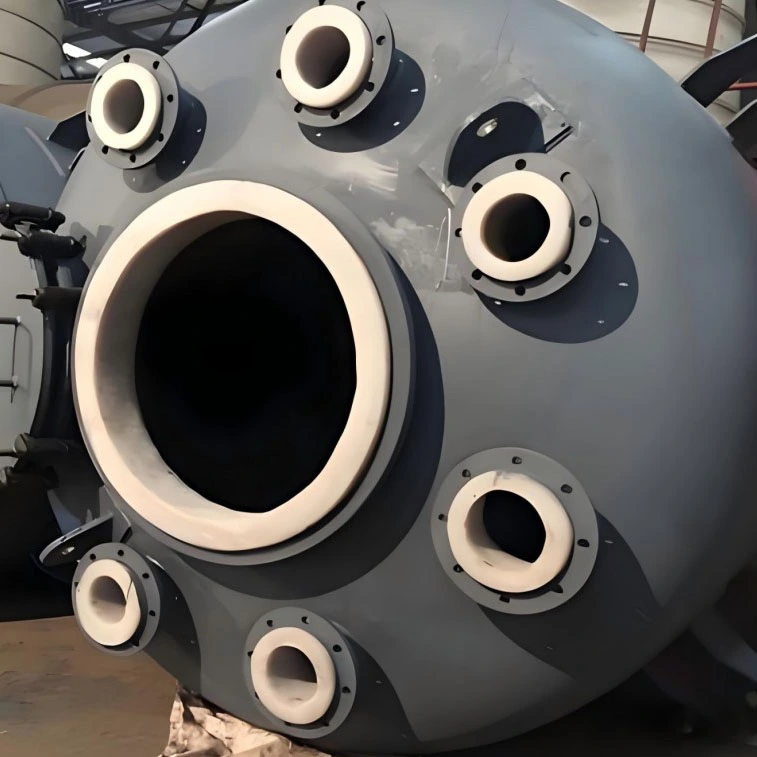
Our product range includes PTFE sheet-lined equipment, PTFE spraying and roller coating, plastic-lined equipment, PTFE-lined steel pipes and fittings, and related fluoropolymer components made from PTFE, PFA, ETFE, FEP and other advanced materials.
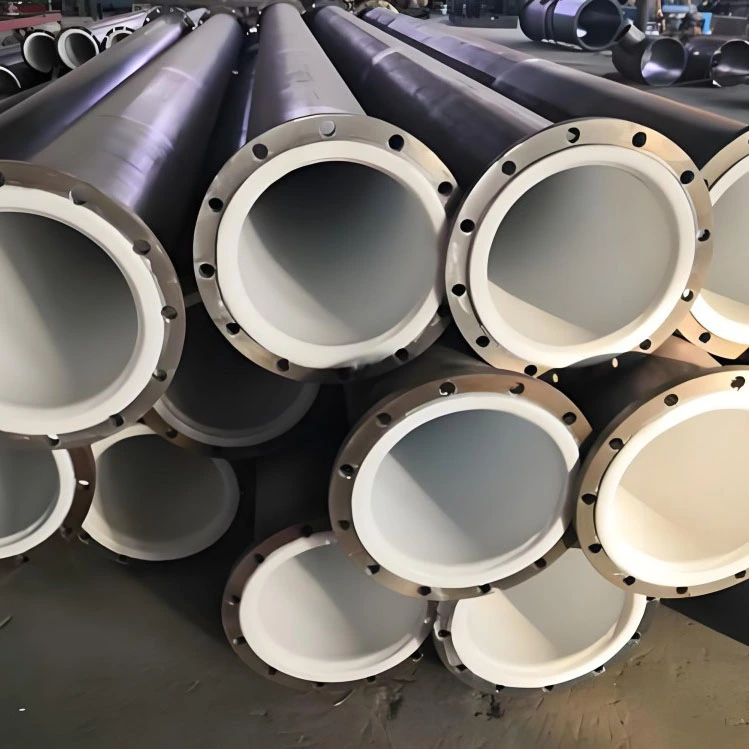
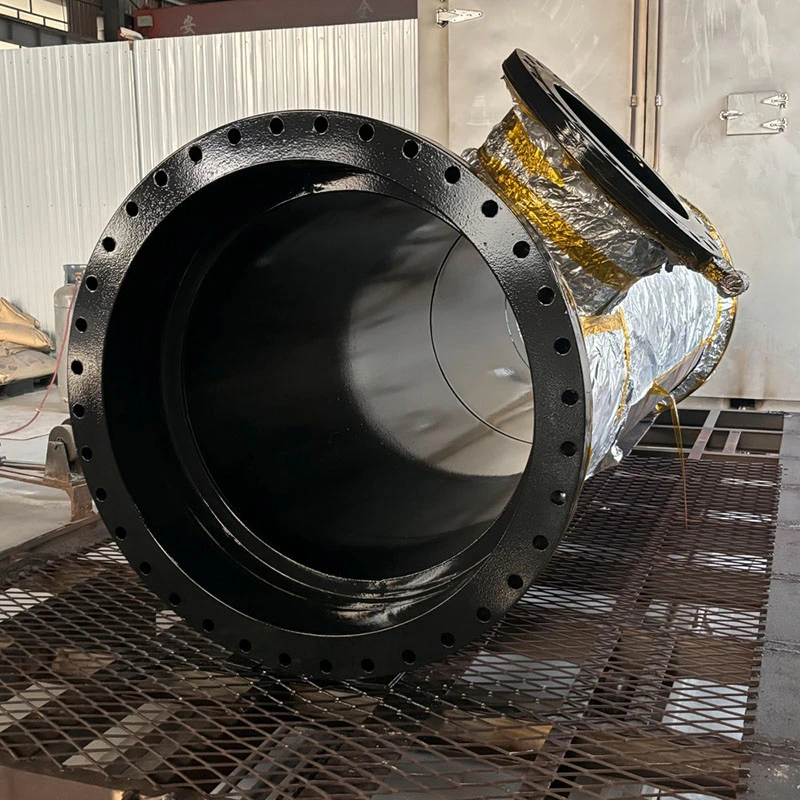
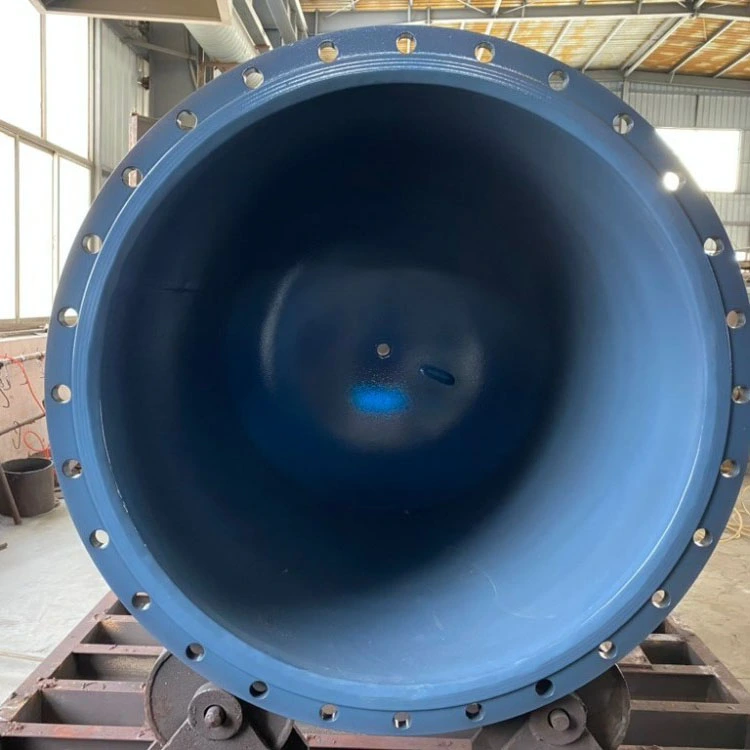
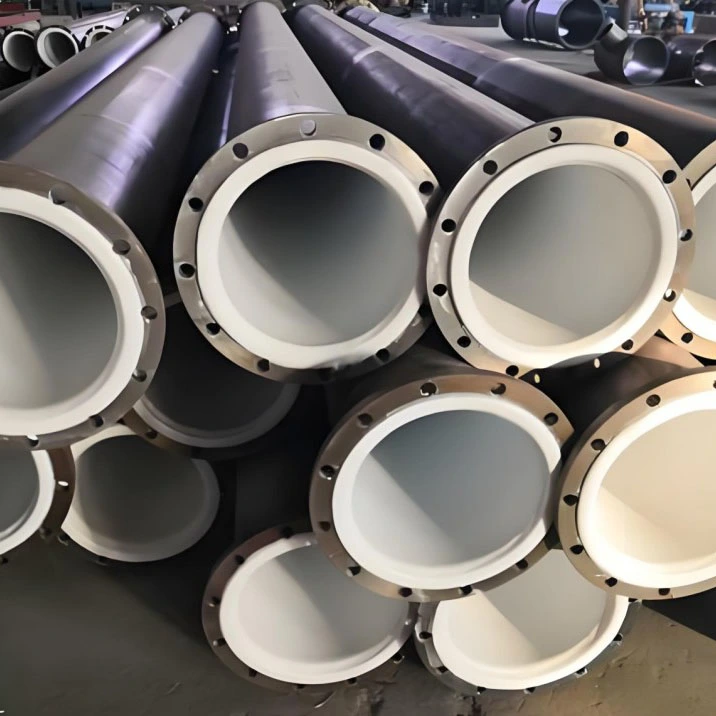
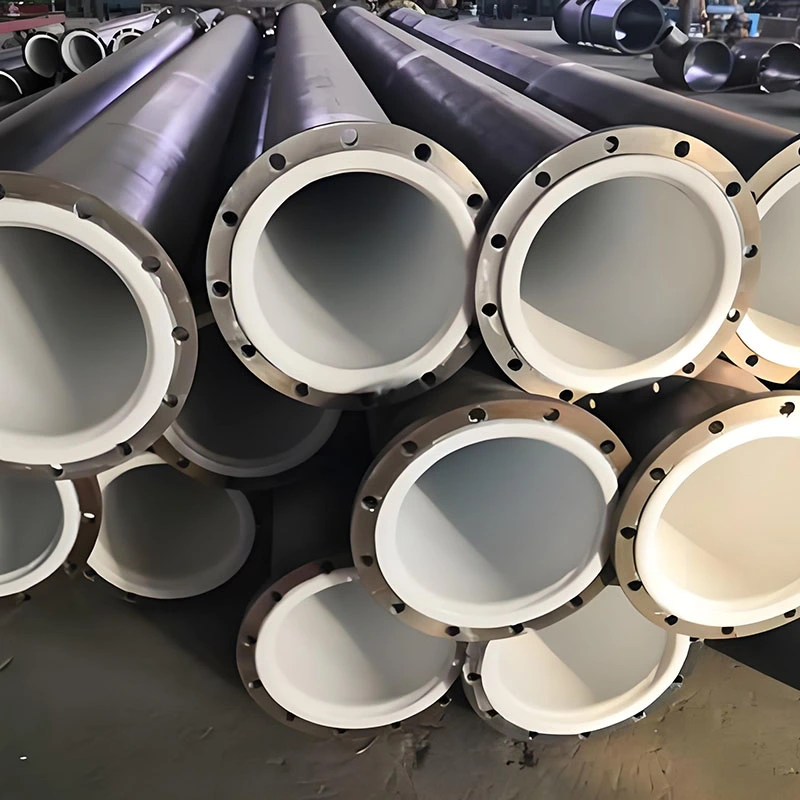
The PTFE lined industrial chemical transport pipeline offered by Zhuoyan factory from China is a composite piping system consisting of a carbon steel outer shell and a PTFE (polytetrafluoroethylene) inner liner. The steel outer layer provides mechanical strength and pressure-bearing capacity, while the PTFE liner offers resistance to corrosive chemicals. This combination makes the pipeline suitable for transporting aggressive media in chemical, pharmaceutical, and industrial processing environments.
A PTFE Lined Industrial Chemical Transport Pipeline is a carbon steel pipe internally coated with a layer of PTFE plastic. The PTFE liner acts as a barrier between the conveyed fluid and the steel pipe wall, preventing corrosion of the steel structure. The liner is manufactured through processes such as extrusion, compression molding, or sheet lining, then inserted and secured within the steel pipe. The resulting product combines the mechanical properties of steel with the chemical resistance of PTFE.
| Parameter | Specification |
| Lining Material | PTFE (Polytetrafluoroethylene) |
| Outer Pipe Material | Carbon steel, stainless steel available |
| Nominal Diameter | DN25 ~ DN600 (1" ~ 24") |
| Length | ≤ 6000mm (DN ≤ 150); ≤ 4000mm (DN > 150) |
| Temperature Range | General -40°C to +230°C |
| Working Pressure | Up to 3.0 MPa at ambient temperature; 1.6 MPa at 200°C |
| Vacuum Resistance | -0.098 MPa (within -40°C ~ +230°C) |
| Flange Standards | HG, GB, DIN, ANSI, JIS |
The PTFE liner physically isolates the conveyed corrosive media from the carbon steel pipe wall. The liner's perfluorinated carbon structure creates a surface that does not react with most chemicals, preventing the media from contacting and corroding the steel substrate. The steel outer shell supports the liner and withstands system pressure, while the PTFE lining maintains its properties across a range of operating temperatures. Vent holes are incorporated into the steel shell to allow any permeated gases to escape, preventing liner collapse and providing early indication of liner integrity.
Chemical Inertness: The PTFE Lined Industrial Chemical Transport Pipeline is resistant to most acids, alkalis, organic solvents, and chemical media, with the exception of molten alkali metals, elemental fluorine, and certain aromatic hydrocarbons at elevated temperatures.
Wide Temperature Range: The liner maintains stable performance from -40°C to +230°C, without becoming brittle at low temperatures or melting at high temperatures.
Low Friction Surface: The PTFE lining has a low coefficient of friction, reducing flow resistance and preventing material adhesion.
Non-Stick Properties: The liner surface has low surface tension, minimizing the risk of clogging during operation.
Vent Holes: Steel shell incorporates vent holes to allow gas permeation to escape and provide early warning of liner failure.
· Chemical processing plants handling corrosive acids, alkalis, and solvents
· Pharmaceutical manufacturing requiring high-purity fluid transfer
· Semiconductor industry for chemical distribution systems
· Fine chemical production with aggressive media
· Coal chemical industry for corrosive slurry and gas transport
· Power plants handling chemical treatment systems
· Wastewater treatment facilities managing corrosive effluents
Storage and Handling: The PTFE Lined Industrial Chemical Transport Pipeline should be stored indoors in cool, dry conditions. End boards must remain in place until installation to protect the flare faces from damage. During transport, avoid placing objects inside the bore or dropping the pipe, as the liner is relatively soft and can be damaged by impact.
Installation Precautions: Do not perform welding, brazing, soldering, or flame cutting on lined products, as these processes may damage the liner and produce toxic gases. When connecting PTFE lined items to each other, gaskets are not normally required. When connecting to dissimilar materials (glass, ceramic, etc.), use PTFE envelope gaskets or similar devices.
Vent Hole Inspection: Regularly check vent holes for any signs of leakage. If product is leaking from vent holes, remove the item from service promptly. Do not block vent holes with paint or other substances.
Bolt Torquing: Use a torque wrench to tighten bolts in a diagonal sequence at ambient temperature. Re-torque all bolts at least 24 hours after commissioning or following the initial full process cycle, then recheck annually.
Q1: What media can PTFE lined pipes transport?
A1: PTFE lined pipes are suitable for transporting most acids, alkalis, organic solvents, and corrosive chemicals. They are not recommended for molten alkali metals, elemental fluorine, or certain aromatic hydrocarbons at elevated temperatures.
Q2: What is the operating temperature?
A2: The standard PTFE lined pipe operates within -40°C to +230°C.
Q3: Are gaskets required when connecting PTFE lined pipes?
A3: Gaskets are not normally required when connecting PTFE lined items to similar products. When connecting to dissimilar materials, PTFE envelope gaskets or similar devices are recommended.
Q4: What are vent holes used for?
A4: Vent holes allow permeated gases to escape from between the liner and steel shell, preventing liner collapse. They also provide early indication of liner failure if leakage occurs.
Q5: Can PTFE lined pipes be welded or modified onsite?
A5: No. Welding, brazing, soldering, or flame cutting must not be performed on lined products as these processes can damage the liner and may produce toxic gases.
Address
80 Min’an Road, High-tech Zone, Zibo City, Shandong Province, China
Tel