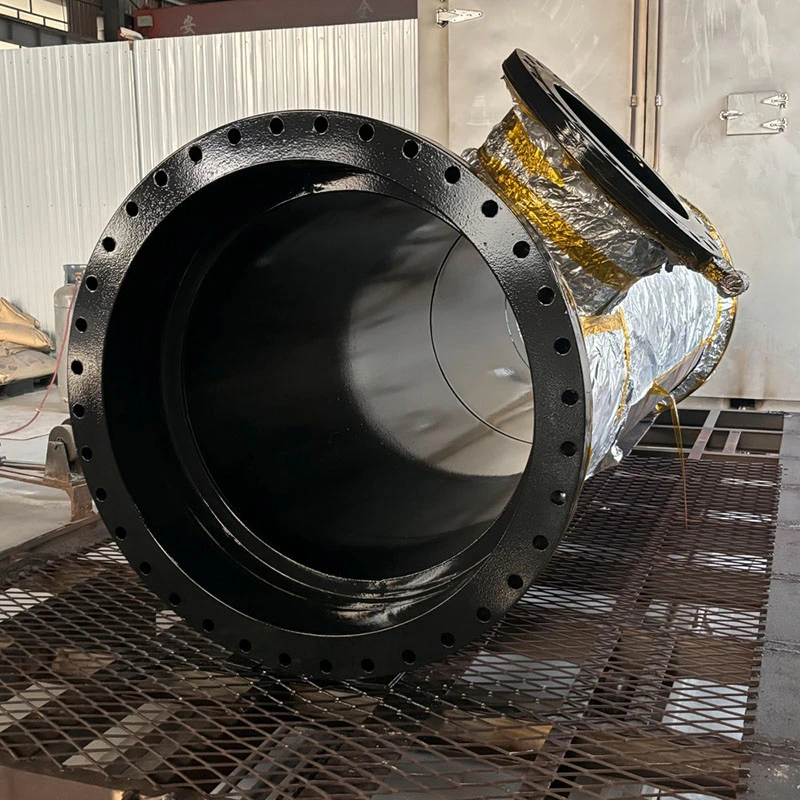
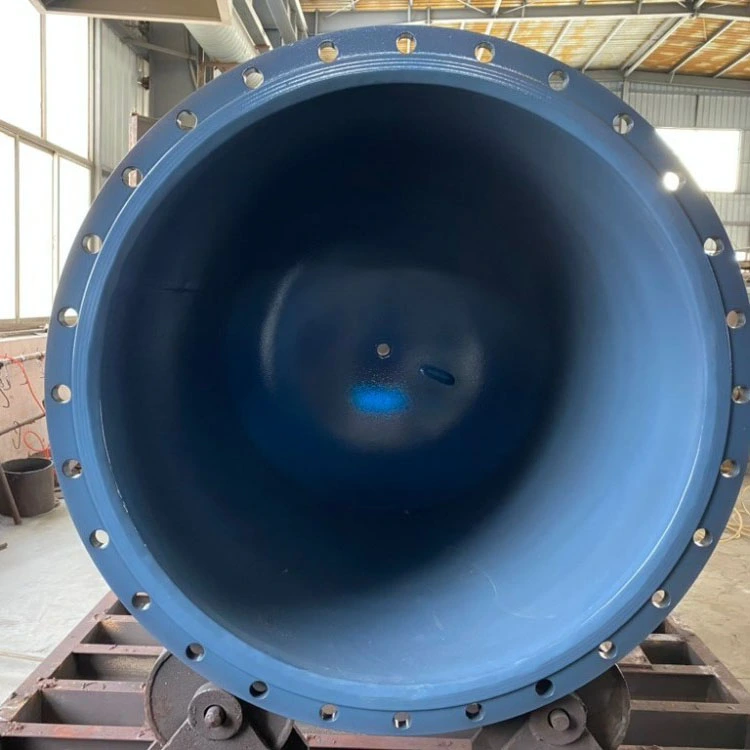
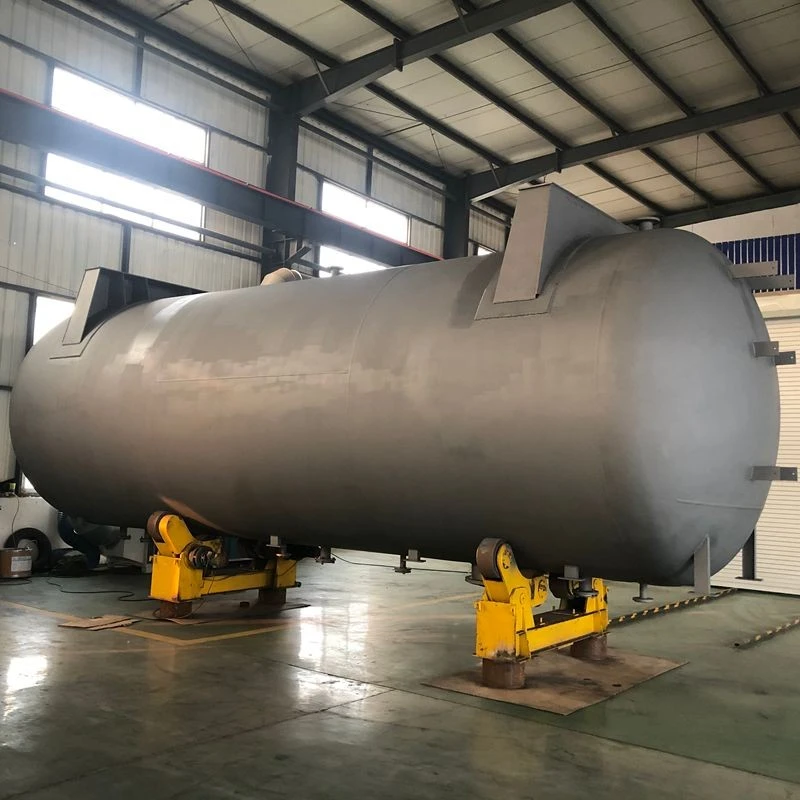
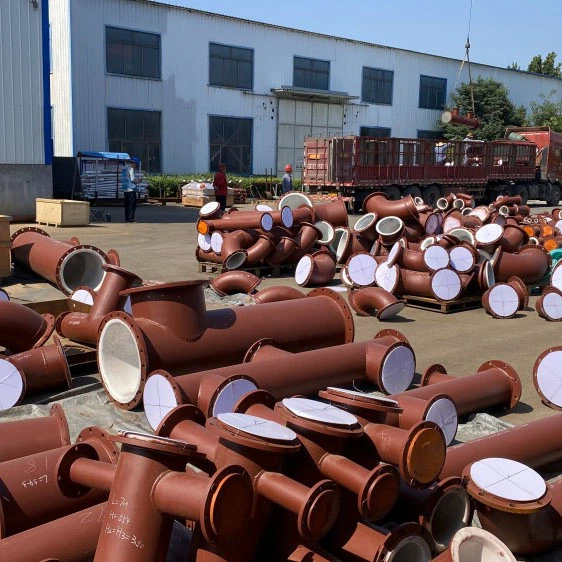
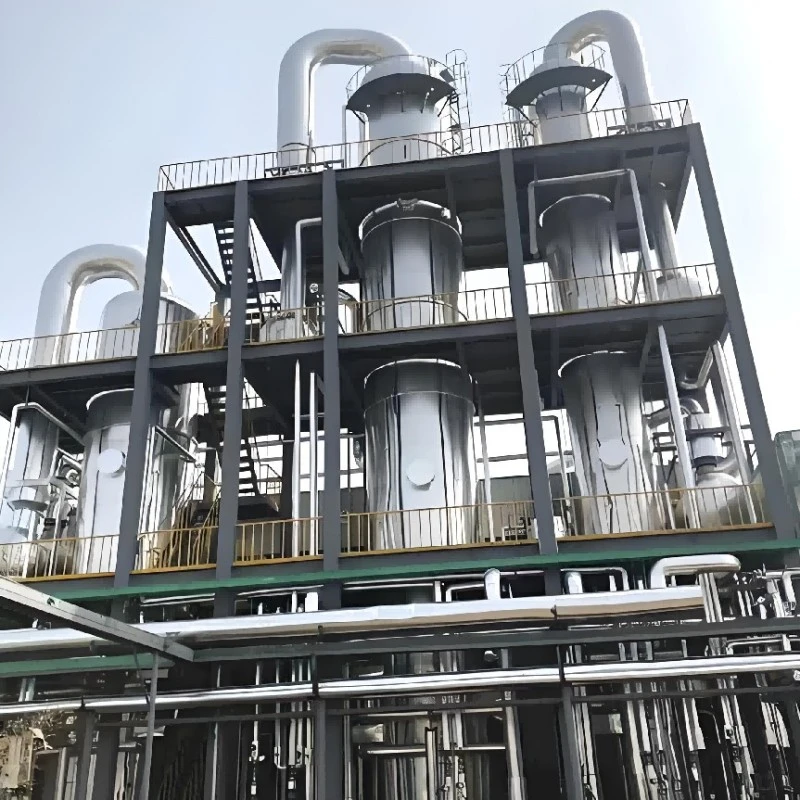
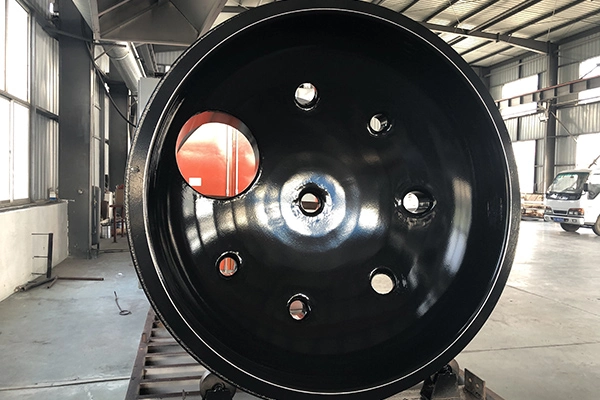
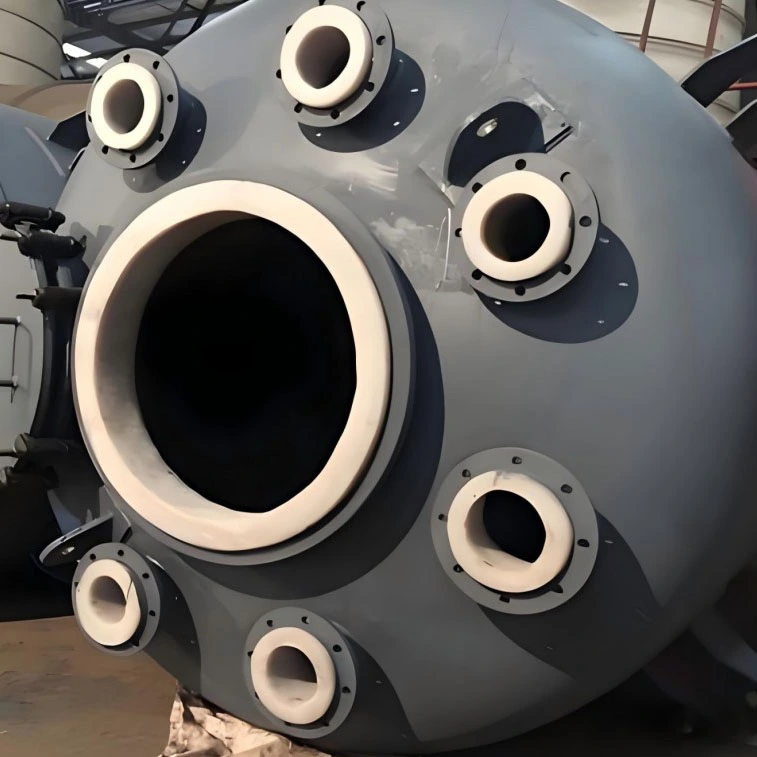
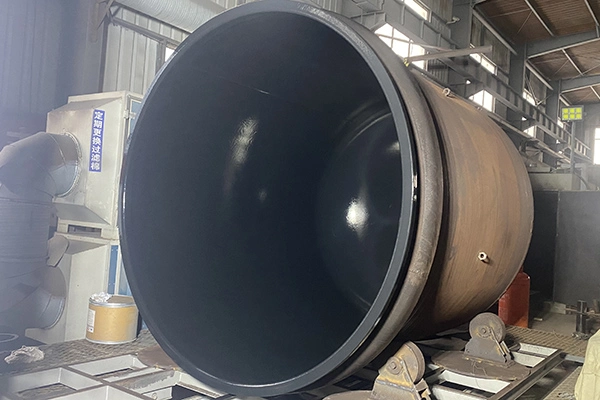
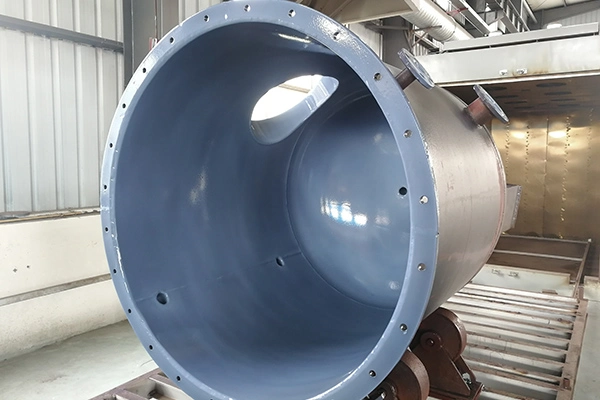
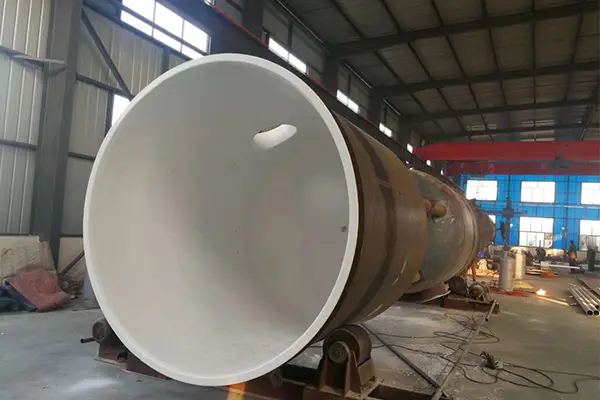
Our product range includes PTFE sheet-lined equipment, PTFE spraying and roller coating, plastic-lined equipment, PTFE-lined steel pipes and fittings, and related fluoropolymer components made from PTFE, PFA, ETFE, FEP and other advanced materials.
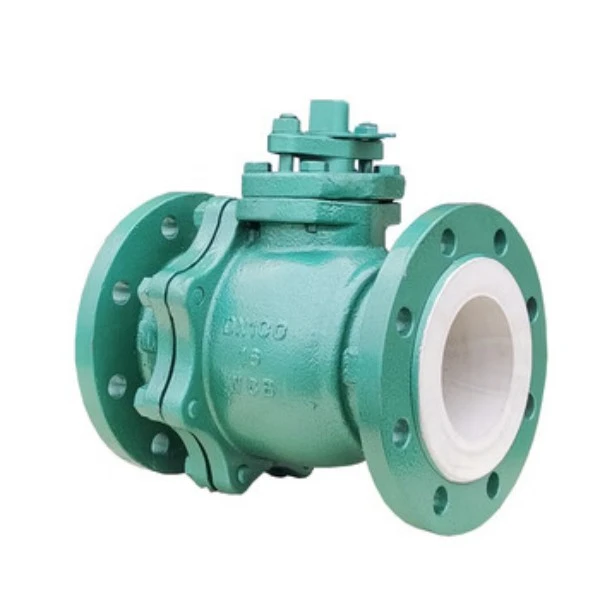
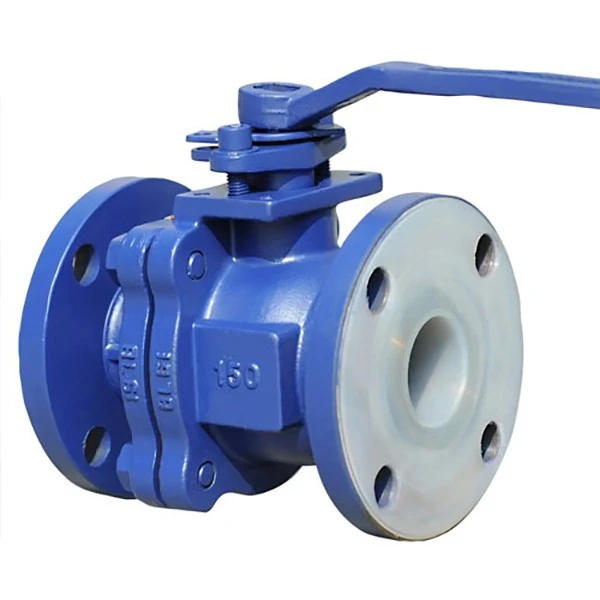
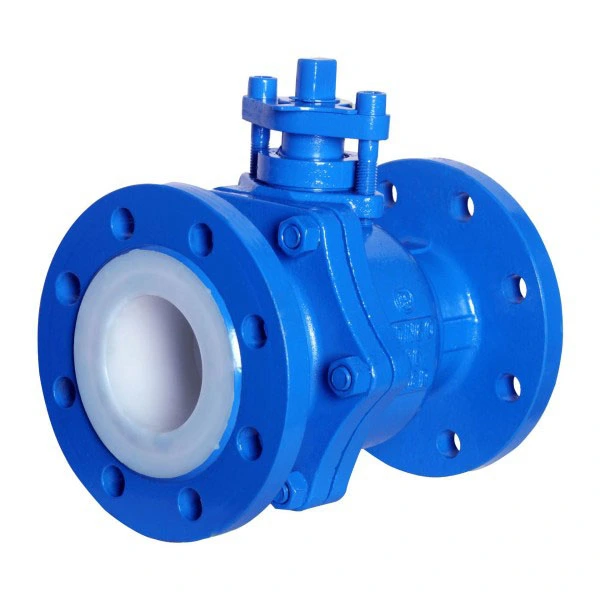
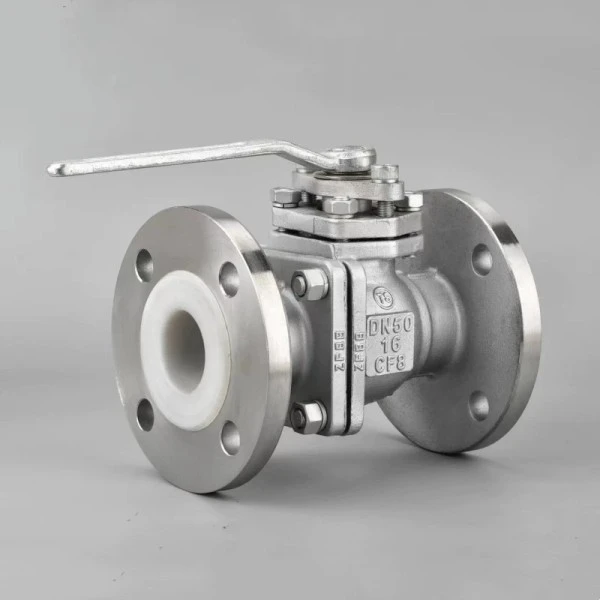
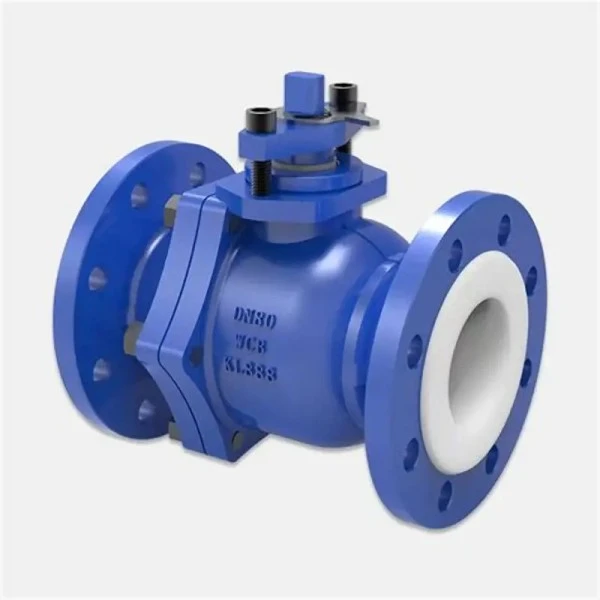
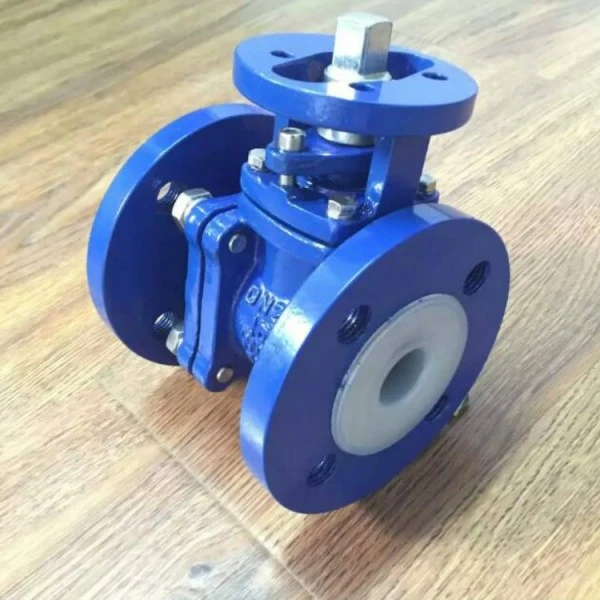
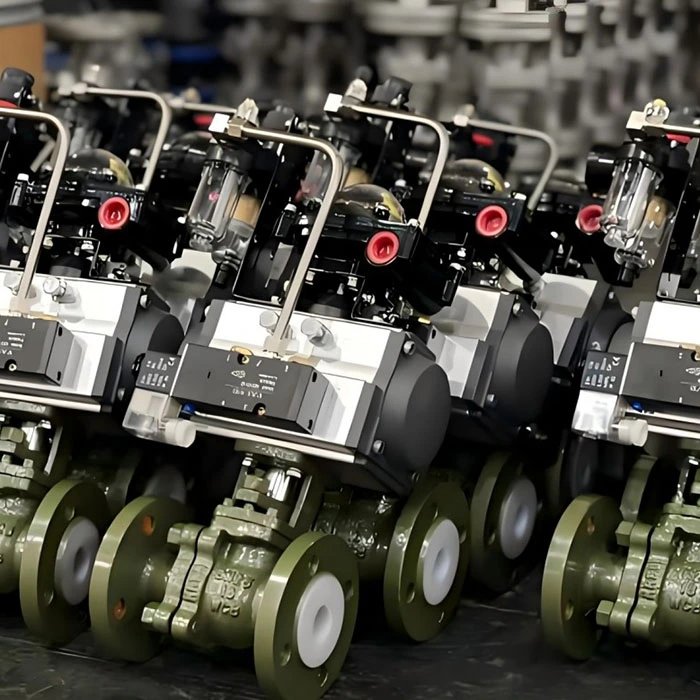
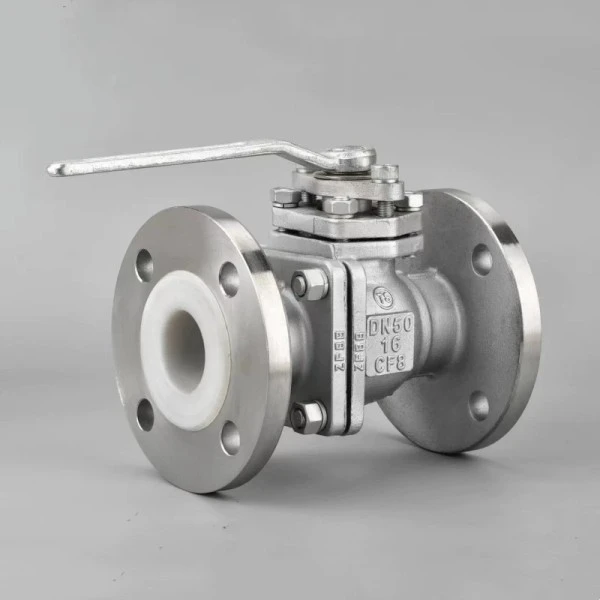
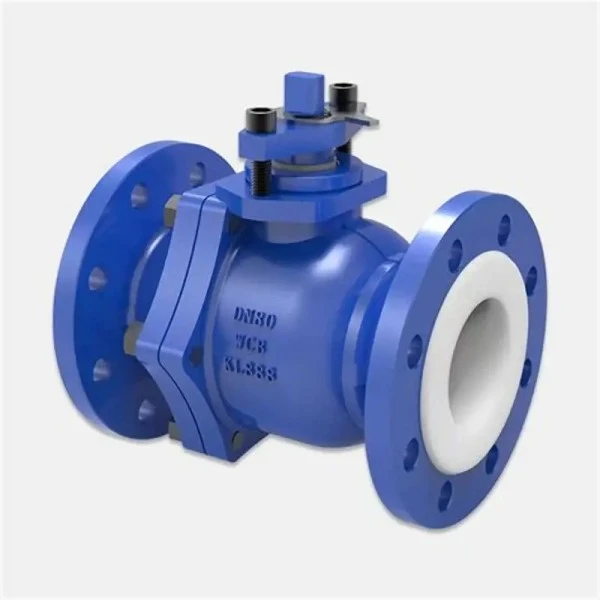
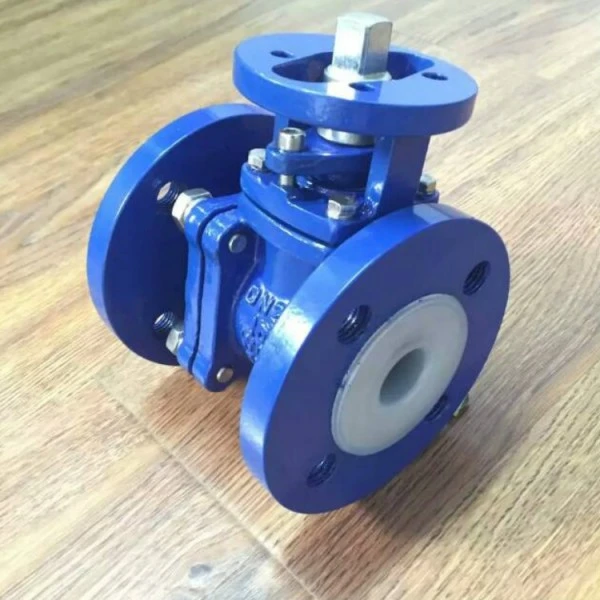
Zhuoyan factory's PTFE Lined Chemical Production Control Valve is a specialized flow control device designed for corrosive service conditions in chemical production lines. The valve incorporates a polytetrafluoroethylene (PTFE) lining that serves as a barrier between the process media and the metallic valve body, preventing corrosion and contamination. The PTFE lining is applied to all wetted parts of the valve, including the body interior and sealing surfaces. This construction allows the valve to handle a wide range of corrosive fluids while maintaining the mechanical strength provided by the carbon steel or stainless steel body. The control valve can be configured with pneumatic or electric actuators for automated flow control in industrial processes.
| Parameter | Specification |
| Nominal Diameter | DN15 to DN600 (varies by valve type) |
| Pressure Rating | PN10, PN16, Class 150 (1.6 MPa typical) |
| Body Materials | Carbon Steel, Stainless Steel |
| Lining Material | PTFE, thickness ≥ 3 mm |
| Lining Options | PFA, FEP available upon request |
| Temperature Range | -180°C to 160°C (standard) |
| Connection Type | Flanged (DIN, ANSI, JIS) |
| Actuator Options | Manual handwheel, pneumatic diaphragm, electric |
| Flow Characteristics | Linear, Equal Percentage |
| Leakage Rate | Customizable |
| Specifications may vary by valve type and size. Contact Zhuoyan for detailed model-specific data. | |
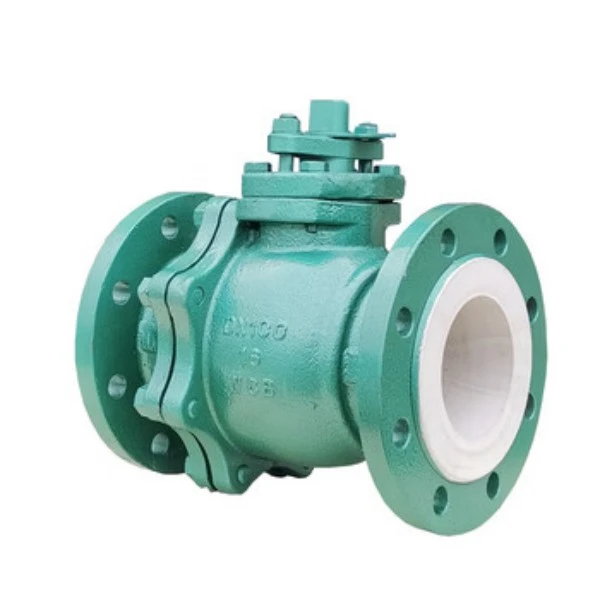
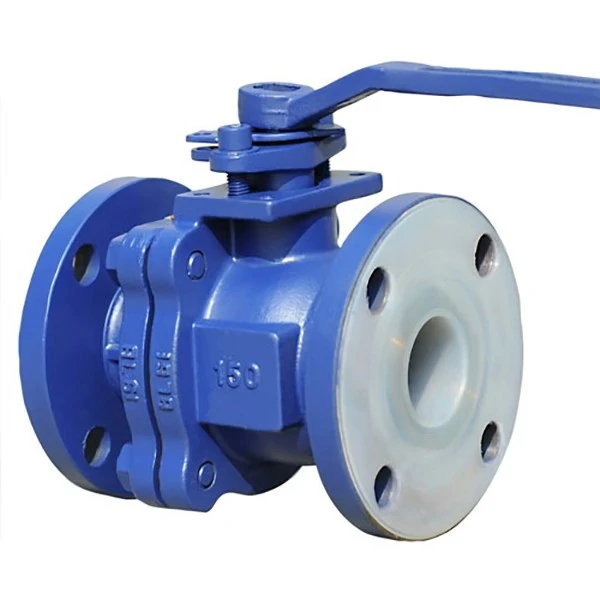
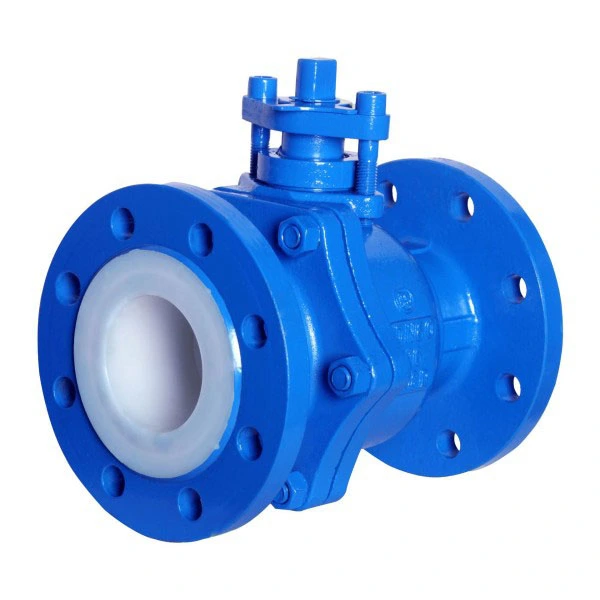
The PTFE Lined Chemical Production Control Valve operates on the fundamental principle of flow restriction and modulation. The valve features a closure member—such as a plug, disc, or ball—that moves within the lined body to vary the flow passage area. When the actuator receives a control signal, it positions the closure member relative to the valve seat. In a fully open position, the flow passage offers minimal resistance. As the closure member moves toward the seat, the flow area decreases, creating a pressure drop that reduces flow rate. The PTFE lining ensures that the corrosive media contacts only the inert fluoropolymer surface, while the metal components provide structural integrity and pressure containment. For globe-type control valves, the plug moves linearly against the seat. For butterfly-type designs, the disc rotates from 0° to 90° to modulate flow. The lining thickness is typically 3 mm or greater, providing a durable barrier against chemical attack and permeation.
· Corrosion Resistance: The PTFE lining provides protection against a broad range of corrosive chemicals, including hydrochloric acid, sulfuric acid, nitric acid, and various organic solvents. PTFE's chemical inertness makes it suitable for applications where metallic valves would suffer rapid degradation.
· Process Purity Protection: The inert lining prevents metal ion leaching into the process fluid, making the valve suitable for pharmaceutical and food-grade applications where product purity is critical.
· Low Friction Operation: PTFE exhibits a low coefficient of friction, which reduces operating torque and minimizes wear on sealing surfaces. This characteristic contributes to stable control performance over extended service periods.
· Leakage Control: The PTFE lining combined with appropriate stem sealing arrangements provides shut-off capability.
· Temperature Range: PTFE-lined valves typically operate from -180°C to 160°C (with some designs extending to 180°C), accommodating many chemical process temperature requirements.
Zhuoyan PTFE Lined Chemical Production Control Valves are used across multiple industries where corrosive fluids require handling:
· Chemical Processing: Acid production, chlorine-alkali plants, solvent handling systems, and chemical synthesis processes.
· Pharmaceutical Manufacturing: API production, solvent recovery, and clean-in-place systems where product purity is essential.
· Petrochemical Industry: Corrosive media handling in refining and petrochemical production units.
· Fine Chemical Production: Dye and pigment manufacturing, specialty chemical synthesis.
· Environmental Applications: Wastewater treatment, flue gas desulfurization, and chemical waste handling.
· Food Industry: Acidic food processing where stainless steel alone is insufficient for corrosion resistance.
· Flange Protection: Do not remove the flange cover plates until the valve is ready for installation. The PTFE flange face can be damaged by impacts, temperature changes, or foreign matter. If inspection requires cover removal, replace the covers promptly after inspection.
· Gasket Selection: When connecting to metal flanges of different materials, use appropriate gaskets to protect the PTFE flange face. Generally, additional gaskets are not required when connecting to compatible PTFE-lined flanges.
· Temperature Management: If leakage occurs at elevated temperatures, first reduce the system temperature to ambient conditions before investigating the cause. Avoid making adjustments while the valve is hot.
· No Welding: Do not perform welding operations on or near the installed valve, as heat can permanently damage the PTFE lining.
· Bolt Tightening: Tighten flange nuts evenly in a diagonal pattern with appropriate torque. If leakage persists after tightening, check the PTFE flange face for scratches or indentations that may require smoothing with fine abrasive paper.
· Flow Direction: When installing valves with directional requirements, ensure the flow direction matches the arrow marked on the valve body.
· Storage: Store valves in a dry, ventilated indoor area. Do not stack valves on top of each other. For long-term storage, keep the sealing elements in a slightly open position to prevent permanent deformation of the sealing surfaces.
· Manual Operation: Do not use additional leverage (e.g., pipe extensions) to force valve operation. Apply only reasonable manual force.
· Regular Inspection: Conduct periodic visual inspections of the valve body exterior for signs of corrosion or leakage. During planned shutdowns, inspect the internal PTFE lining for discoloration, cracks, blistering, or delamination. Perform operational checks to ensure smooth movement from fully open to fully closed positions.
· Proper Cleaning: Use mild detergents and water for cleaning. Avoid harsh chemicals that may be incompatible with PTFE, and never use abrasive cleaning tools such as wire brushes. Abrasive materials can scratch the PTFE surface, compromising its non-stick properties and creating pathways for chemical attack.
· Lubrication: Apply lubricants only to mechanical components such as stem threads and actuator assemblies. Do not apply lubricant to PTFE surfaces that contact the process media, as the lining is inherently self-lubricating.
· Component Replacement: Replace gaskets and seals according to a preventive maintenance schedule or at the first sign of wear or leakage. These components are designed as sacrificial elements and their timely replacement protects the more expensive valve assembly.
· Handling Precautions: During installation and maintenance, take care to prevent scratches or dents to the lining. Deep scratches represent potential failure points. Protect the valve from direct sunlight during storage, as UV exposure can degrade PTFE over time.
· Post-Maintenance Testing: After any maintenance or repair, test the valve according to relevant standards before returning it to service. Ensure all repaired valves meet leakage and performance requirements before installation.
Q1: What media can the PTFE lined control valve handle?
A1: PTFE-lined valves are suitable for most corrosive media including hydrochloric acid, sulfuric acid, nitric acid, organic solvents, and various chemical reagents. PTFE is resistant to almost all chemicals except molten alkali metals and elemental fluorine.
Q2: What is the maximum operating temperature?
A2: Standard PTFE-lined valves operate up to 160°C. Some designs with modified PTFE or alternative fluoropolymer linings may offer extended temperature ranges up to 180°C.
Q3: Can the valve be used for throttling control?
A3: Yes, this is a control valve designed for flow modulation. With appropriate actuator and positioner configuration, it provides precise flow control with linear or equal percentage characteristics.
Q4: How do I select the correct actuator?
A4: Actuator selection depends on valve size, operating pressure, required shut-off torque, and control signal availability. Pneumatic diaphragm actuators are common for modulating control, while electric actuators are used where pneumatic supply is unavailable.
Q5: What maintenance is required?
A5: Routine maintenance includes periodic visual inspection, operational checks, cleaning with mild detergents, lubrication of mechanical components, and timely replacement of gaskets and seals.
Q6: What is the typical lead time?
A6: Lead times vary by specification and quantity. Contact Zhuoyan for current production schedules and delivery estimates.
Q7: Is custom configuration available?
A7: Yes, Zhuoyan offers customization for body materials, lining types, actuator options, and connection standards to meet specific process requirements.
Address
80 Min’an Road, High-tech Zone, Zibo City, Shandong Province, China
Tel