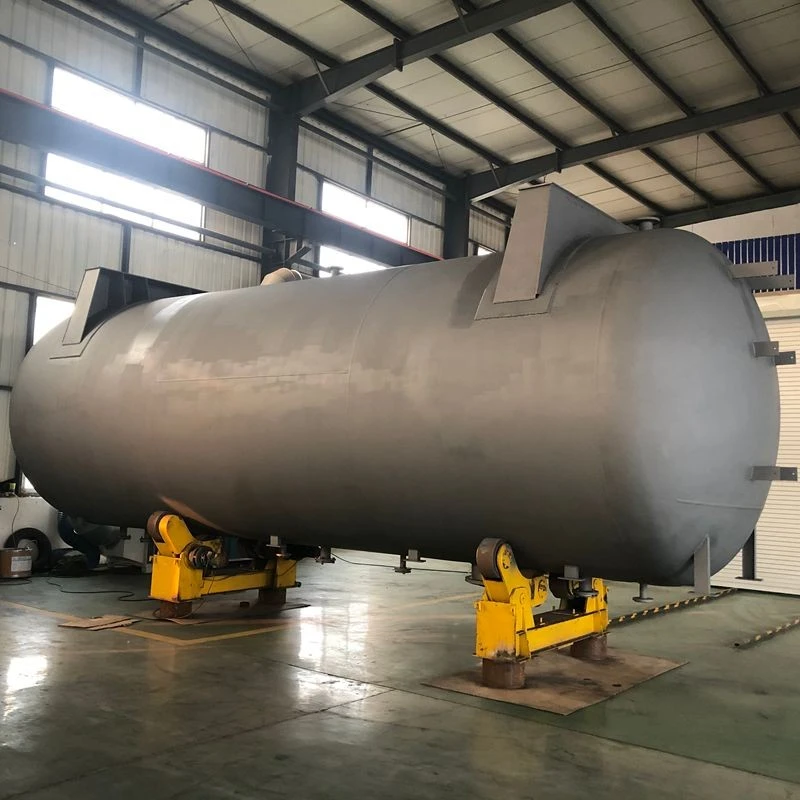
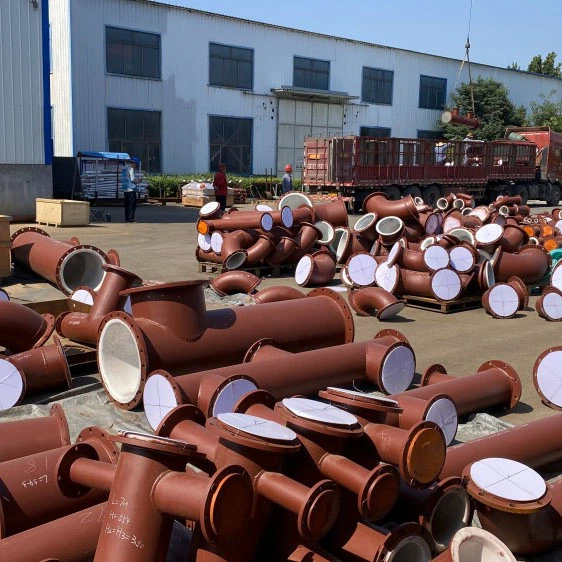
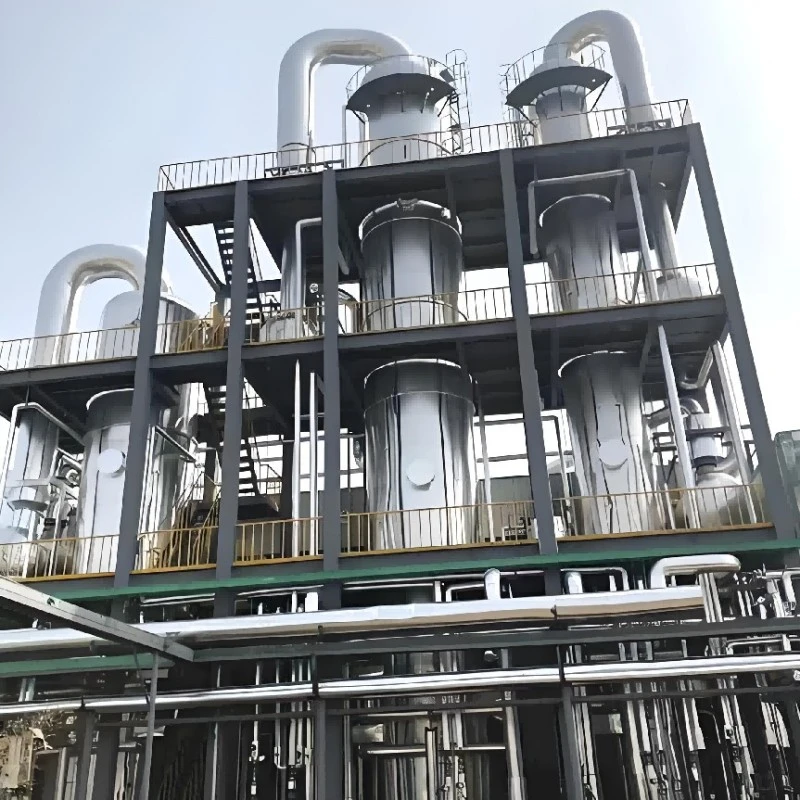
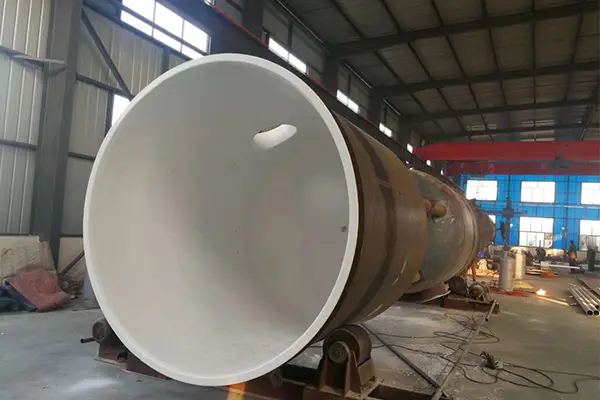
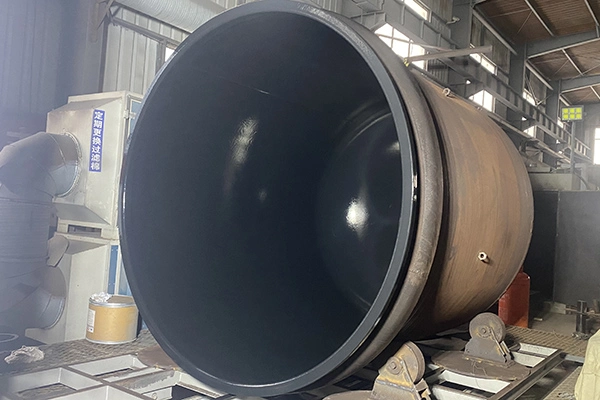
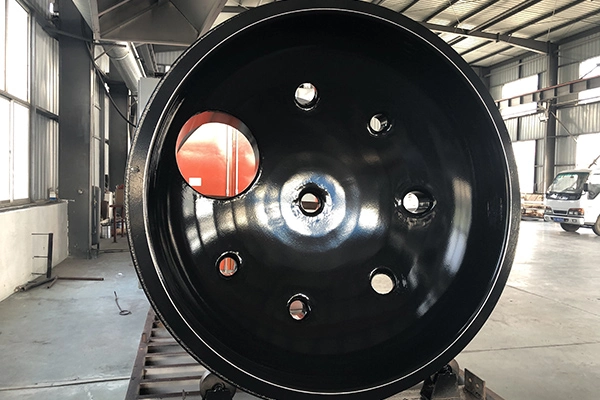
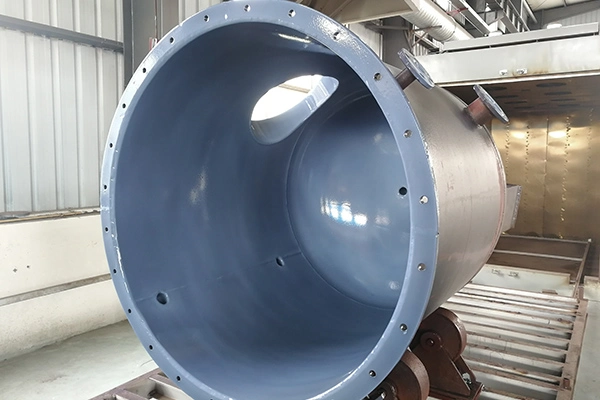
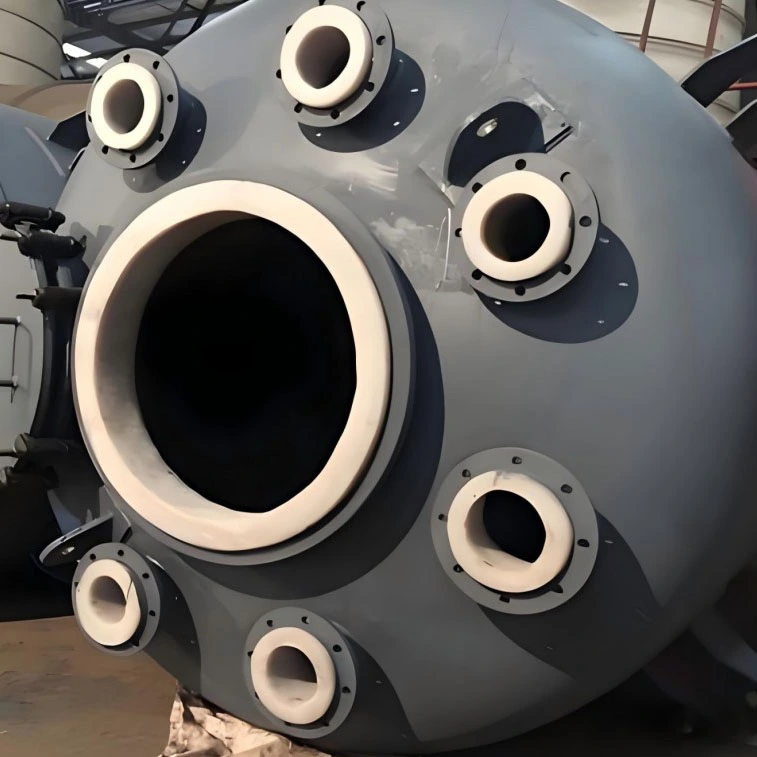
Our product range includes PTFE sheet-lined equipment, PTFE spraying and roller coating, plastic-lined equipment, PTFE-lined steel pipes and fittings, and related fluoropolymer components made from PTFE, PFA, ETFE, FEP and other advanced materials.
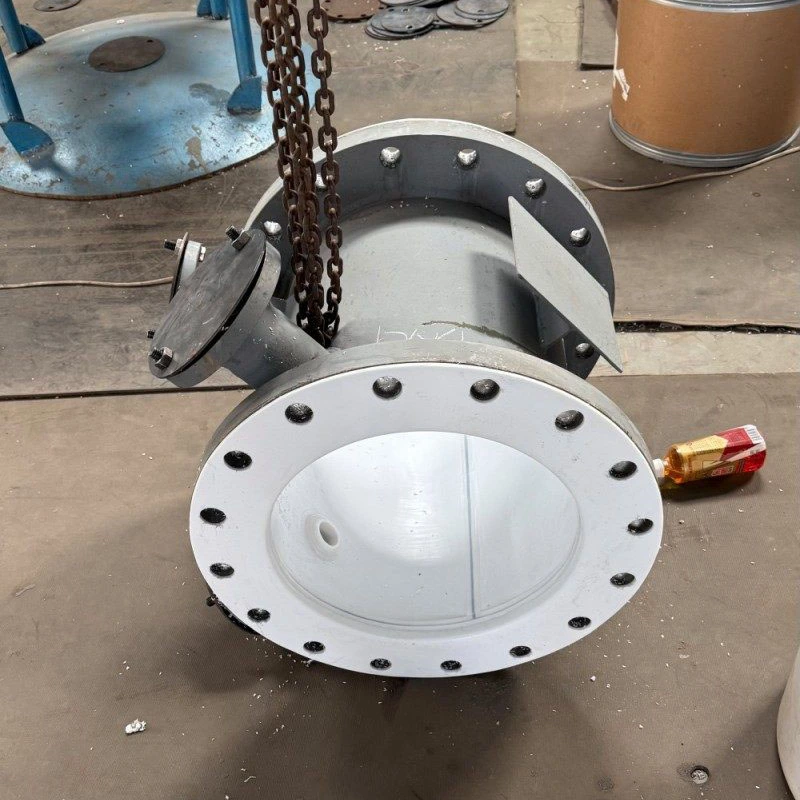
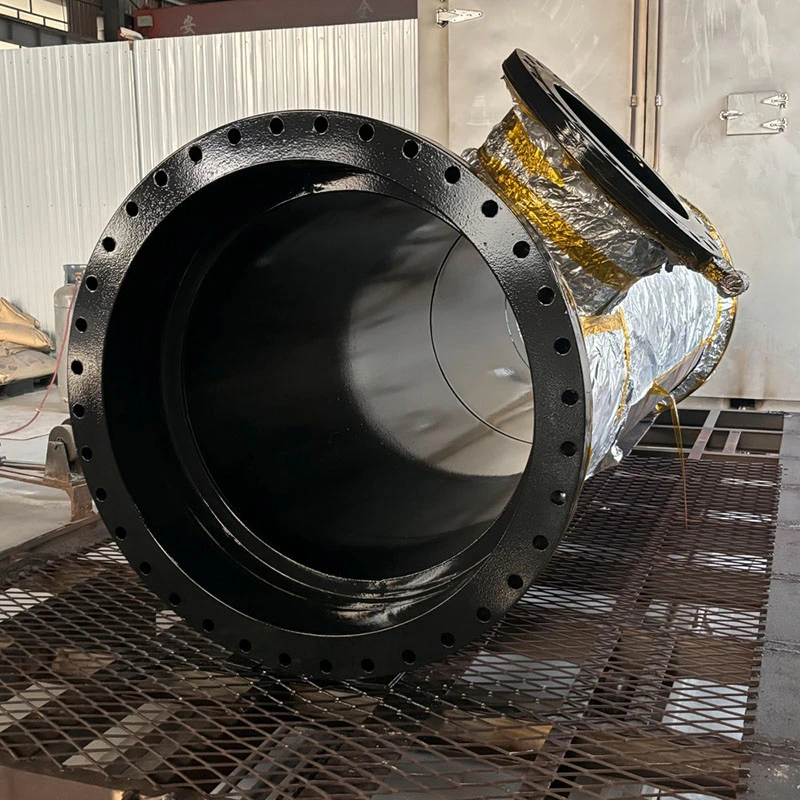
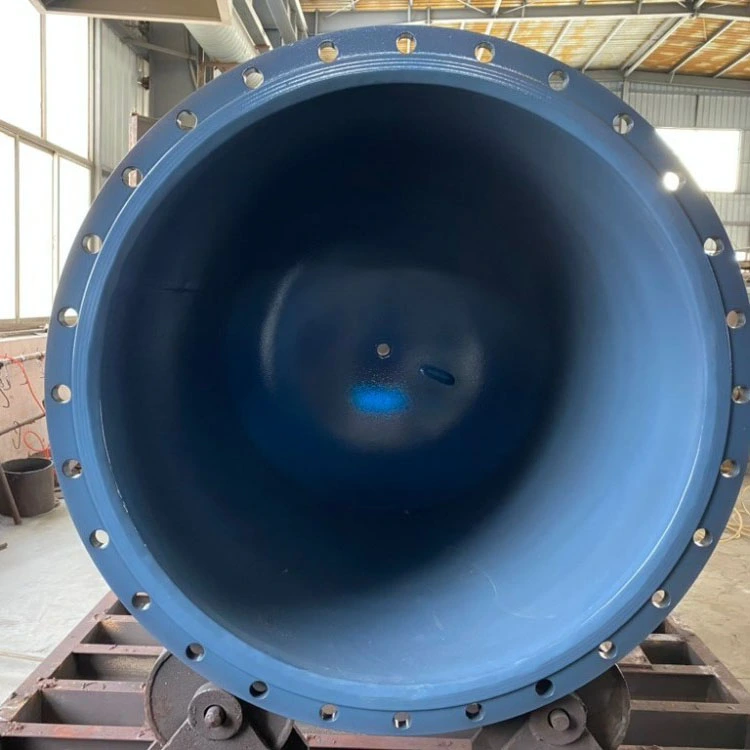
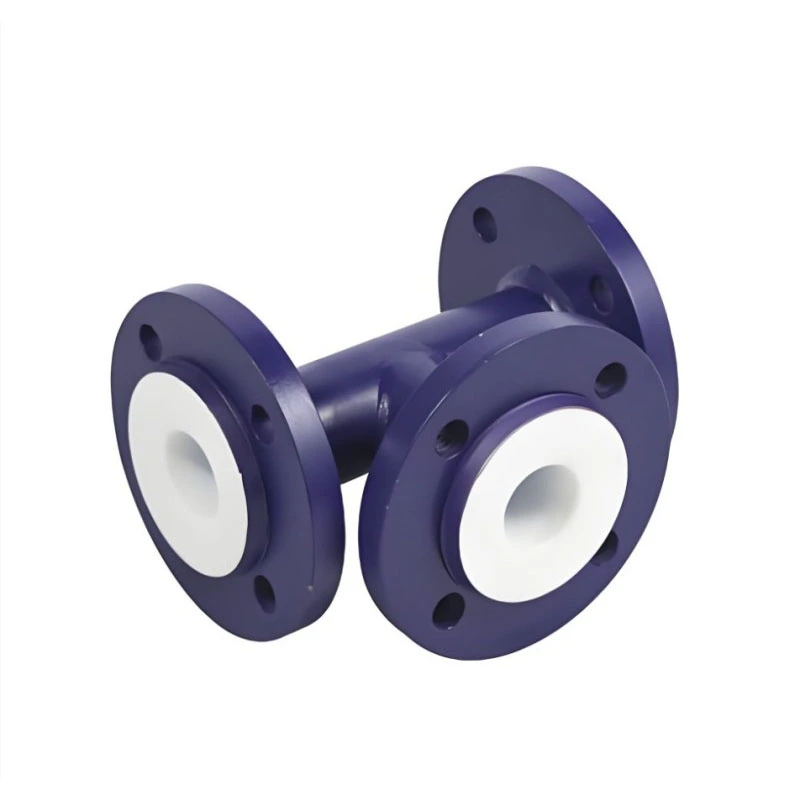
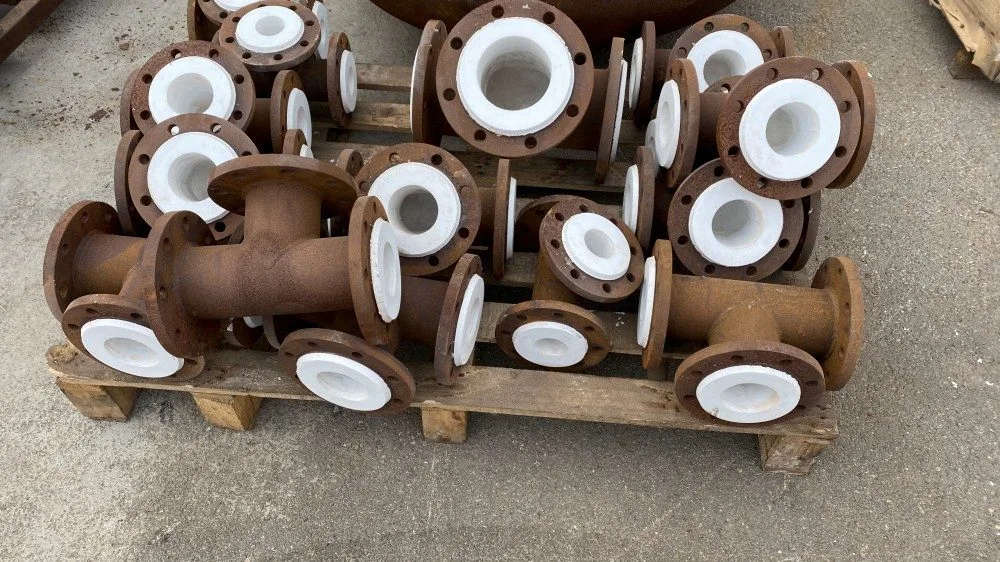
Zhuoyan PTFE lined acid resistant chemical tee is a pipe fitting designed for chemical resistance in industrial pipeline systems. The product features a metal outer shell combined with an inner PTFE lining, utilizing the mechanical strength of steel and the chemical inertness of PTFE. The tee structure includes a main pipe and a branch pipe forming a "T" shape, enabling fluid diversion or convergence in piping networks. This lining technology prevents direct contact between corrosive media and the metal substrate, reducing the risk of corrosion-induced leakage and extending service life. Zhuoyan PTFE lined tees are manufactured with attention to lining density and thickness consistency to meet industrial requirements.
A PTFE lined acid resistant chemical tee (also referred to as a PTFE lined T-piece or chemical tee) is a pipeline component consisting of a metal body lined with polytetrafluoroethylene (PTFE) on the inner surface. It serves as a branch connection in piping systems, allowing flow to be split from one inlet into two outlets or combined from two inlets into one outlet. The PTFE lining acts as a barrier between the transported fluid and the metal shell, protecting the pipe from chemical attack. This design is particularly relevant for applications involving aggressive chemicals, high-purity media, or elevated temperatures where standard metal fittings would suffer from corrosion or contamination. PTFE lined acid resistant chemical tees are available in equal tee and reducing tee configurations and can be manufactured in various sizes to suit different pipe diameters.
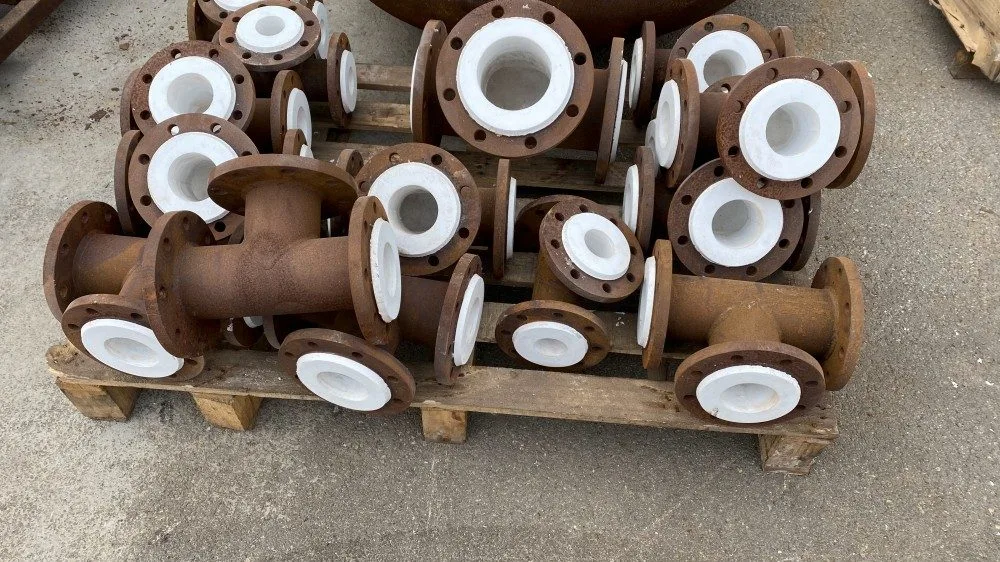
PTFE lined acid resistant chemical tees are used in industrial piping systems that transport corrosive fluids, high-purity liquids, or media requiring contamination control.
· Chemical Industry: Transport of strong acids (sulfuric acid, nitric acid, hydrochloric acid), strong alkalis (sodium hydroxide, potassium hydroxide), and organic solvents in chemical plants.
· Pharmaceutical Industry: Conveying of high-purity reagents and active ingredients where product purity must be maintained.
· Petrochemical and Oil & Gas: Processing and transportation of corrosive hydrocarbons, sour gas, and chemical additives.
· Water Treatment: Handling of corrosive treatment chemicals, bleaches, and wastewater with aggressive components.
· Food Processing: Transfer of acidic or alkaline food ingredients and cleaning solutions where hygiene and corrosion resistance are required.
· Semiconductor Industry: Delivery of ultrapure water and high-purity chemical reagents in electronics manufacturing.
Typical scenarios include:
· Acid Transfer Lines: Transporting concentrated sulfuric acid, nitric acid, or hydrochloric acid in chemical plants.
· Caustic Processing Systems: Handling sodium hydroxide or potassium hydroxide solutions in pulp and paper, textile, and chemical processing.
· Solvent Delivery Systems: Conveying organic solvents such as toluene, xylene, and chlorinated hydrocarbons where carbon steel would be susceptible to attack.
· High-Purity Water Systems: Distribution of deionized water or ultrapure water in pharmaceutical and semiconductor facilities to prevent metallic contamination.
· Waste Treatment Systems: Handling corrosive wastewater and chemical waste streams in environmental treatment plants.
Working Principle
The PTFE lining functions as a chemically inert isolation layer between the corrosive medium and the metal shell. PTFE (polytetrafluoroethylene) is a fluoropolymer with a carbon-fluorine bond structure that provides high chemical stability. The material is resistant to attack by most acids, alkalis, and organic solvents, with the exception of molten alkali metals, elemental fluorine, and certain fluorinated compounds at elevated temperatures. This inertness allows the tee to transport aggressive media without compromising the integrity of the metal outer shell. The metal shell provides structural strength to withstand system pressure and mechanical loads, while the PTFE lining ensures chemical compatibility with the process fluid.
Manufacturing Processes
Two primary manufacturing methods are used for PTFE linings:
1. Powder Molding (Isostatic / Compression Molding)
PTFE powder is filled into the tee mold cavity and subjected to high-pressure isostatic pressing (typically around 30 MPa), followed by a sintering process to form a dense, uniform lining layer. This process yields higher lining density and improved performance.
2. Extrusion (Push) Method
PTFE powder is extruded into tube form and then drawn into the metal pipe. This method is primarily used for smaller diameters (up to DN100) and lower negative pressure applications.
Following lining formation, the assembly process involves welding the metal shell components and attaching flanges according to standard specifications to ensure joint integrity and sealing performance.
To ensure optimal service life and safe operation of PTFE lined tees, the following points should be observed:
1. Temperature and Pressure Limits:
· Operating temperature range: -180°C to +160°C under positive pressure.
· Pressure rating: Generally up to 2.5–3.0 MPa depending on size and process.
2. Installation:
· Flange sealing surfaces must be protected from scratches, cuts, or impacts before installation.
· Do not perform welding, cutting, or flame heating on the metal body after lining has been applied; maintain a distance of at least 1 meter from heat sources.
· Use proper gaskets and torque specifications when bolting flanged connections.
3. Storage:
· Store in a covered area away from direct sunlight and rain.
· Avoid heavy stacking or impact that could damage the lining.
4. Limitations:
· PTFE is not suitable for molten alkali metals, elemental fluorine, or certain fluorinated compounds such as chlorine trifluoride and uranium hexafluoride.
· Temperature and pressure limits should not be exceeded simultaneously; higher temperatures may reduce maximum allowable pressure.
Q1: What chemicals can PTFE lined tees handle?
A1: PTFE is resistant to most acids, alkalis, and organic solvents. It is compatible with sulfuric acid, nitric acid, hydrochloric acid, sodium hydroxide, and many organic solvents. Exceptions include molten alkali metals, elemental fluorine, and certain fluorinated compounds at elevated temperatures.
Q2: What temperature range do these tees support?
A2: PTFE-lined tees can be used under positive pressure from -180°C to +160°C. Temperature limits are lower under vacuum conditions, depending on the manufacturing process.
Q3: What sizes are available for PTFE lined tees?
A3: Standard sizes generally range from DN15 (1/2") to DN600 (24"), with both equal tee and reducing tee configurations available. Custom sizes can be manufactured for specific project requirements.
Q4: How is the PTFE lining quality tested?
A4: Lining integrity is commonly tested using spark testing (electrical discharge detection) at specified voltages (typically 10–25 KVA) to identify any pinholes or defects in the lining layer. Hydrostatic pressure testing is also performed on finished fittings.
Q5: Can PTFE lined tees be used under vacuum conditions?
A5: Yes. Products manufactured using isostatic pressing can be used under vacuum conditions. The maximum operating temperature under vacuum conditions depends on the specific manufacturing method.
Address
80 Min’an Road, High-tech Zone, Zibo City, Shandong Province, China
Tel